
How To
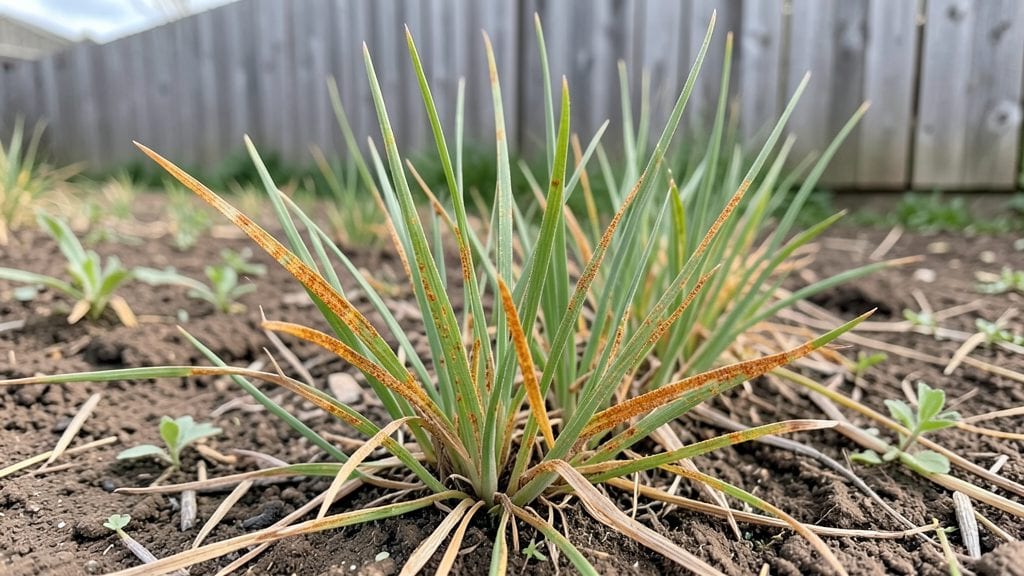
Grass rust is not harmful to humans directly, as it is a fungal disease affecting plants like turfgrass, wheat, and barley. However, exposure to spores may trigger allergies or respiratory irritation in sensitive individuals, especially during handling or cleanup.
While the fungal spores themselves can't infect humans, inhaling them—especially in concentrated amounts—can mimic seasonal allergy symptoms like sneezing, coughing, or even asthma flare-ups in vulnerable people. 🌱 I’ve seen this happen most often during yard work or after mowing infected lawns, where spores become airborne and linger in the air.
If you’re prone to respiratory issues, wearing a mask and avoiding direct contact with heavily rusted plants is your best defense.
The good news is that grass rust isn’t contagious between humans or animals, so there’s no risk of spreading it like a human illness. However, the irritation stems from your immune system reacting to the fungal particles, similar to how mold spores can affect some people.
For those with severe reactions, an allergist can help identify triggers and recommend treatments to manage symptoms effectively.
💡 In This Article
- Understanding Grass Rust Fungal Pathogens
- Safety Precautions for Handling Rust-Infected Grass
Understanding grass rust fungal pathogens
The fungal pathogens responsible for grass rust primarily belong to the Puccinia genus, which includes over 4,000 species specialized in infecting grasses. These fungi thrive in cool, moist conditions and produce distinctive rust-colored spores that give the disease its name.
The lifecycle begins when spores land on susceptible grass blades, germinate, and penetrate plant tissues through natural openings like stomata. What's fascinating is how these pathogens often require two different host plants to complete their lifecycle—a phenomenon called heterozygosity.
For example, Puccinia graminis (stem rust) alternates between wheat or barley and barberry plants, while Puccinia striiformis (leaf rust) primarily infects cereal crops. Ornamental grasses like fescue or bluegrass typically host Puccinia species that don't require alternate hosts, making them more susceptible to localized outbreaks.
The spores themselves are microscopic—ranging from 20-40 micrometers in size—and become airborne with even gentle breezes, explaining why symptoms often appear suddenly across entire lawns or fields.
The key difference between ornamental and agricultural grass infections lies in management tolerance. Farmers monitor rust outbreaks closely because yield losses can reach 30-50% in severe cases, while homeowners might only notice cosmetic damage.
Ornamental grasses often show symptoms first as small orange pustules on leaf blades that eventually turn brown and crunchy to the touch. Agricultural varieties typically develop elongated rust streaks along leaf veins, which weaken the plant's ability to photosynthesize efficiently.
Susceptibility varies dramatically between grass species due to genetic resistance factors. Cool-season grasses like Kentucky bluegrass are particularly vulnerable because their growth patterns align perfectly with rust spore germination windows (50-60°F temperatures). Warm-season grasses such as Bermuda grass develop resistance mechanisms like thicker cuticles that repel spores more effectively.
This biological arms race explains why rust epidemics often follow specific weather patterns—wet springs with mild temperatures create ideal conditions for spore production and dispersal.
Here's what's actually happening at the cellular level: When spores land on grass leaves, they release enzymes that break down the plant's cell walls. The fungus then forms specialized structures called haustoria that penetrate individual plant cells to extract nutrients.
This invasion triggers the grass's immune response, which manifests as the visible rust symptoms. The most aggressive rust strains can even produce toxins that further weaken the plant's defenses, creating perfect conditions for secondary infections.
What most people don't realize is how quickly these fungi can adapt. Some Puccinia species have developed resistance to fungicides through genetic mutations, forcing agricultural researchers to develop new treatment strategies annually.
This evolutionary pressure makes grass rust not just a plant health concern but also a fascinating case study in fungal biology and plant pathology.