
Plants
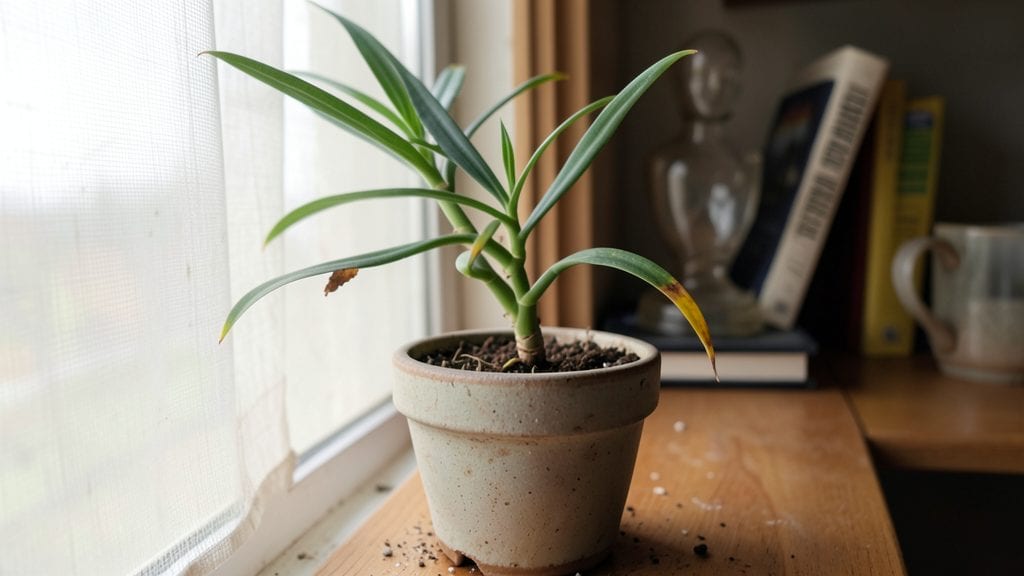
Stopping invasive bamboo grass 🌿 before it takes over your yard is a battle most gardeners face at some point—this relentless spreader can double its size in just one growing season.
If your garden boundaries are under siege by aggressive bamboo grass, you’re not alone—this fast-spreading plant can overtake landscapes in just a few years. But with the right containment methods, you can reclaim control and protect your property without resorting to harsh chemicals.
The key is acting early, because once it establishes deep rhizomes, removal becomes a year-long project. Below, I’ll walk you through the most effective barriers, organic suppression techniques, and long-term strategies to keep this plant in check—so you can enjoy your garden without fighting an uphill battle.
From trench barriers to competitive ground covers, these solutions work in USDA Zone 6a and beyond, giving you the tools to finally stop the spread for good.
How to stop invasive bamboo grass from spreading beyond your yard
Invasive bamboo grass spreads aggressively through underground rhizomes—horizontal roots that can extend 3-5 feet per year. Without intervention, it can breach property lines, clog drainage systems, and even damage foundations.
The key to stopping its spread lies in disrupting these rhizomes during their active growth phase, typically spring and early summer.
I’ve battled bamboo grass in my own yard, and I’ve learned that a combination of physical barriers, root pruning, and herbicide-free suppression works best. The goal isn’t just to remove what’s visible above ground—it’s to starve the rhizomes of energy and block their pathways.
Let’s break this down into actionable steps to regain control of your garden boundaries.
One of the most effective herbicide-free methods I’ve used is a combination of vinegar spray (20% acetic acid) and salt applied directly to new shoots. This kills above-ground growth while reducing the rhizomes’ energy reserves.
For stubborn patches, I’ve also had success with boiling water poured into the soil around the base—it’s a quick, chemical-free way to weaken the plant.
If you’re dealing with running bamboo (like Phyllostachys species), these methods are especially critical. Running bamboo spreads via long, aggressive rhizomes that can travel up to 20 feet per year.
Clumping bamboo (Bambusa species) is less invasive, but it still requires vigilance. Always verify your bamboo type before choosing a containment strategy.
Timing matters: The best time to attack bamboo grass is in early spring, when new shoots emerge. This is when the rhizomes are most vulnerable and actively sending energy to above-ground growth. By targeting them then, you disrupt their entire growth cycle for the season.
For large infestations, consider hiring a professional with rhizome excavation equipment. They can dig deeper trenches and remove hidden roots more efficiently. I’ve seen dramatic results after just one professional treatment—though it’s an investment, it saves years of manual labor.
Remember, bamboo grass won’t disappear overnight. It’s a marathon, not a sprint. But with these physical barriers, root pruning techniques, and herbicide-free suppression, you can reclaim your yard and prevent future invasions. Start with the most aggressive clumps first, then expand your containment efforts outward.
🌿
Best physical barriers to block bamboo grass roots (pros and cons)
When dealing with invasive bamboo grass, physical barriers are your first line of defense against those relentless rhizomes. These underground stems can spread 3-5 feet per year, making containment critical. The right barrier can stop their advance while preserving your garden's beauty.
Let’s explore the top three options—underground metal barriers, concrete barriers, and deep trenches—and weigh their pros and cons to help you choose the best fit for your landscape.
Each method has unique advantages, from durability to cost-effectiveness. For example, metal barriers are lightweight and easy to install, while concrete barriers offer unmatched longevity but require heavy equipment. Meanwhile, deep trenches are a budget-friendly DIY solution, though they demand regular maintenance.
Understanding these trade-offs will help you select the barrier that aligns with your budget, time, and long-term goals.
Metal Barriers
- Lightweight and easy to install
- Flexible for curved garden edges
- Cost-effective at $1-$3 per foot
- May corrode over time
- Less durable than concrete
Concrete Barriers
- Extremely durable and long-lasting
- Resistant to corrosion and rot
- Effective for permanent installations
- High installation cost ($5-$10 per foot)
- Requires heavy equipment
Deep Trenches
- Budget-friendly ($0.50-$2 per foot)
- Easy DIY installation
- No special tools required
- Requires regular maintenance
- Rhizomes may eventually breach
- Less effective for large-scale invasions
For metal barriers, I recommend using galvanized steel sheets buried 3 feet deep to create an impenetrable wall. These barriers are ideal for gardeners who want a balance of affordability and effectiveness. However, they may need replacement every 10-15 years due to rust.
If you’re looking for a long-term solution, concrete barriers are the gold standard. They’re perfect for high-traffic areas or properties where bamboo has already caused significant damage.
On the other hand, deep trenches are my go-to for quick, temporary fixes. Digging a trench 3-4 feet wide and 2 feet deep along your property line can slow down rhizome spread, especially in smaller gardens.
Just be prepared to monitor and refill the trench annually, as rhizomes are persistent and will eventually find weak points. For larger properties, combining a metal barrier with trench maintenance can create a layered defense system that maximizes effectiveness.
Before choosing a barrier, assess your garden’s specific needs. If your bamboo is already spreading aggressively, a concrete barrier might be worth the investment. For a more budget-friendly approach, metal barriers or trenches can work wonders with less upfront cost. Always remember to