
Lawn
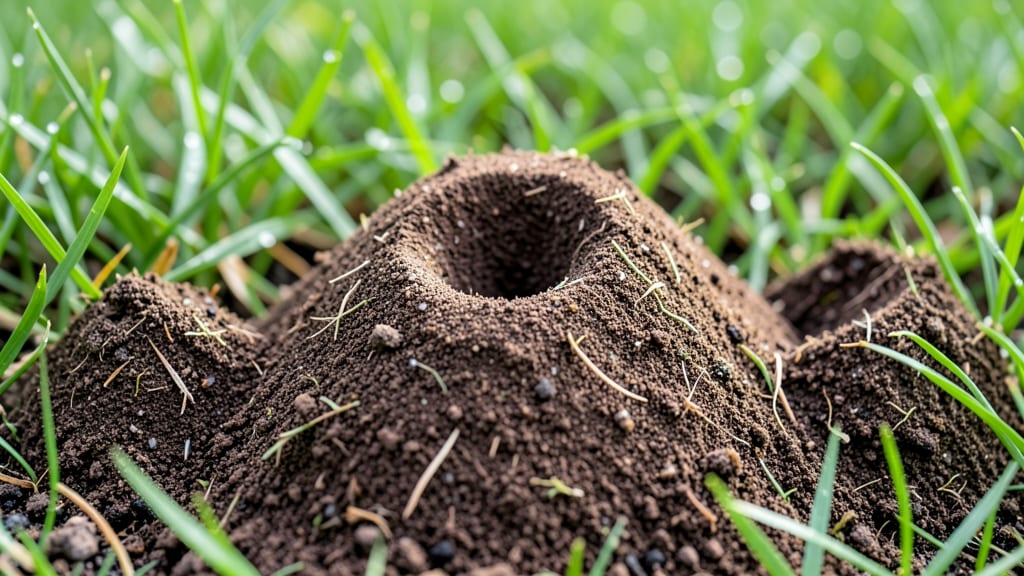
Those mysterious insect mounds popping up in your lawn aren’t just unsightly—they’re a sign nature’s at work beneath the surface. 🌱 I’ve spent years tracking down which critters create them (ants, termites, or mole crickets) and how to deal with them without poisoning your grass roots in the process.
The first step is identifying the culprit: ant mounds have tiny crumbs around them, termites leave behind hollow-sounding wood, and mole cricket mounds look like miniature volcanoes.
Once you know who’s tunneling, you can choose the right natural remedy—vinegar sprays for ants, nematodes for grubs, or simply leaving them alone if they’re harmless.
By late spring or early summer, you’ll see a transformation—no more mounds, no more damage to your lawn. The key is acting at the right time (spring is ideal) and using methods that keep your grass healthy while keeping pests in check.
For stubborn cases, calling in a pro can save you time, but most homeowners can handle this with the right approach. Let’s get your lawn back to looking perfect without harming the ecosystem beneath it.
The Hidden Triggers Behind Mounds
Those mysterious piles of dirt popping up in your lawn aren’t just random—each mound tells a story about the tiny (but mighty) critters calling your yard home.
Understanding why these mounds form is the first step to addressing them naturally. Below, we break down the most common culprits and the science behind their behavior.
Termites are often the top suspects when you spot smooth, dome-shaped mounds with a papery texture. Unlike ants, termites build these structures to regulate humidity and temperature within their colonies. Here’s why they do it:
- Moisture Control: Termite mounds contain chambers lined with fungal gardens and moisture-retaining materials. The mound’s design traps humidity, creating an ideal environment for their larvae and queen.
- Thermal Regulation: The mound’s shape and ventilation shafts help maintain a stable temperature, even in extreme weather. Think of it as a self-regulating termite AC unit!
- Nest Expansion: As colonies grow, termites add to the mound to accommodate more members. Older mounds may appear larger or more complex, with multiple chambers.
Pro Tip: 🔍 Look for mud tubes (smooth, pencil-sized tunnels) on your home’s foundation or wooden structures—these are termites’ highways to food sources.
Ant mounds are usually smaller, with a rough, crumbly texture, and often topped with tiny holes. Ants build these structures for practical reasons:
- Protection from Predators: Ants create tunnels and chambers deep within the mound to shield their queen, larvae, and food stores from threats like birds or other insects.
- Temperature and Humidity Balance: Like termites, ants engineer their mounds to maintain optimal conditions. Some species even use the mound to cool their brood during hot days.
- Food Storage: Ants like harvester ants store seeds and grains in underground chambers, and the mound helps protect these reserves from drying out.
Fun Fact: 🌡️ Harvester ant mounds can reach temperatures up to 10°F warmer than the surrounding soil—proof of their engineering prowess!
Not all mounds are made by termites or ants. Here are a few other insects that might be leaving their mark:
🐜 Mole Crickets: The Underground Diggers
Mole crickets create irregular, raised tunnels or small mounds while burrowing through soil. They’re most active in warm, moist climates and often target lawns near water sources.
- Why They Build: Their tunnels provide shelter and a pathway to hunt for worms, grubs, and other soil-dwelling prey.
- Signs to Watch For: Look for small, crescent-shaped mounds or areas where grass is thinning due to their feeding.
🐜 Carpenter Bees: The Wooden Nest Builders
While they don’t create traditional mounds, carpenter bees can excavate wood (like tree stumps or decking) and leave behind sawdust-like shavings. Their nests are often hidden but can weaken structures over time.
- Why They Do It: Female carpenter bees chew through wood to create tunnels for their larvae, using natural resins to seal the nests.
- Signs to Watch For: Small, round holes (about ½ inch wide) in wood, often near flowers or water sources.
🐜 Ground Beetles: The Nighttime Tunnelers
Some ground beetles create shallow, temporary mounds while digging for prey or shelter. These mounds are usually small and less structured than those of ants or termites.
- Why They Build: They use tunnels to ambush insects and avoid predators like birds or larger beetles.
- Signs to Watch For: Tiny, scattered mounds (often less than 1 inch tall) in damp or shaded areas.
Insect activity isn’t random—certain conditions make your lawn a prime real estate for mound-builders:
- Moisture-Rich Soil: Termites and ants thrive in damp environments. Overwatering, poor drainage, or rainy seasons can trigger mound construction as they seek to regulate humidity.
- Compacted or Disturbed Soil: Lawns with heavy foot traffic, construction, or erosion create easy entry points for burrowing insects.
- Organic Debris: Leaves, grass clippings, or wood chips provide shelter and food, attracting insects like carpenter ants or termites.
- Lack of Natural Predators: If your lawn lacks birds, toads, or beneficial nematodes, insect populations can explode unchecked.
Pro Tip: ✨ Conduct a simple soil test to check moisture levels—if it’s consistently soggy, consider improving drainage to deter mound-builders.
Fixing Mounds Naturally Without Damaging Grass
Discovering unsightly insect mounds in your lawn can be frustrating, but the good news is you can eliminate them without resorting to harsh chemicals that harm your grass or the environment.
Below, we’ve mapped out practical solutions tailored to the most common causes—from fire ants to mole crickets—along with prevention tips to keep your lawn healthy and mound-free.
If you spot small, conical mounds with tiny holes, fire ants or similar species are likely the culprits. These insects create nests underground, disrupting your lawn’s roots.
🍳 Step-by-Step Elimination
- 🔪 Manual Removal (Best for Small Mounds)
- Wait until evening when ants are less active.
- Use a shovel to carefully dig out the mound, ensuring you remove the queen (hidden deeper in the soil).
- Dump the soil (and ants) in a bucket of soapy water to kill them.
- 🌱 Natural Deterrents
- Diatomaceous Earth (DE): Sprinkle food-grade DE around the mound and lawn edges. It dehydrates ants but is safe for grass once settled.
- Vinegar Spray: Mix equal parts white vinegar and water in a spray bottle. Target the mound directly—repeat weekly for 2–3 weeks.
- Coffee Grounds: Sprinkle used grounds around the perimeter; ants dislike the smell and texture.
- 🌿 Long-Term Prevention
- Reduce Moisture: Fire ants thrive in damp soil. Improve drainage or water lawns in the morning to allow evaporation.
- Plant Ant-Repelling Herbs: Marigolds, mint, or citrus plants near the lawn deter ants naturally.
- Regular Mowing: Keep grass at 3–4 inches tall to discourage nesting.
Larger, irregular mounds with tunnels suggest mole crickets or grubs are feasting on your lawn’s roots. These pests create chaos by aerating the soil but leaving your grass vulnerable.
👨🍳 Organic Treatment Methods
- 🔪 Hand-Picking (For Mole Crickets)
- Dig up the mound at dusk when crickets are near the surface. Drop them into soapy water.
- Pro Tip: Use a flashlight to spot their reflective eyes in the soil.
- 🌱 Beneficial Nematodes
- Apply Heterorhabditis bacteriophora nematodes (sold online or at garden centers) to the soil. These microscopic worms infect and kill grubs/mole crickets naturally.
- Water lightly after application to help them spread.
- 🌿 Encourage Natural Predators
- Birds: Install a bird feeder or bath to attract robins, which love mole crickets.
- Toads/Frogs: Create a small pond or shallow water feature to invite these predators.
- 🌡️ Soil Health Boost
- Aerate Your Lawn: Use a manual aerator to break up compacted soil, making it harder for pests to tunnel.
- Compost Top-Dressing: Spread a thin layer of compost over the lawn to improve root strength and deter pests.
Smooth, paper-like mounds or hollowed-out wood near your lawn may indicate termites or carpenter bees. These pests can cause structural damage if left unchecked.
🔪 Immediate Action Steps
- 🌱 Remove Debris
- Clear away dead wood, stumps, or leaf litter where termites or bees may nest.
- For bees, use a vacuum with a hose attachment to gently suction them out (do this at night when they’re less aggressive).
- 💡 Natural Repellents
- Orange Oil: Mix orange oil with water and spray entry points (safe for grass but toxic to termites).
- Cedar Mulch: Place cedar chips around your lawn’s perimeter—termites dislike the scent.
- 🎯 Long-Term Defense
- Reduce Wood Contact: Store firewood away from your home and lawn.
- Seal Cracks: Inspect your home’s foundation for gaps and seal them with caulk.
- 🌡️ Monitor Seasonally: Check your lawn in spring and fall when pest activity peaks.
- ✨ Test Soil pH: Use a soil test kit to ensure your lawn’s pH is balanced (6.0–7.0). Unbalanced soil attracts more pests.
- 🍂 Mulch Strategically: Use mulch sparingly around lawn edges to avoid creating hiding spots for insects.
With these targeted approaches, you can reclaim your lawn from insect mounds without chemicals. Consistency is key—combine elimination methods with prevention to keep your grass lush and pest-free for good!
Frequently asked questions
What’s the fastest way to identify which insect made the mound?
Look for these key clues: Ant mounds have tiny holes and crumbly texture, while termite mounds are smoother with a papery look. Mole cricket mounds appear irregular with crescent-shaped tunnels. Check for mud tubes on wood (termite sign) or reflective eyes in soil (mole crickets).
Are insect mounds always harmful to my lawn?
Not necessarily! Some insects like ants actually aerate soil, while mole crickets help break up compacted earth. The real damage comes when they overpopulate. Focus on removal only if you see thinning grass or structural damage to nearby wood.
Can I use vinegar to eliminate all types of mounds?
Vinegar works well for ant mounds (mix equal parts with water), but it’s ineffective against termites or mole crickets. For grubs, try beneficial nematodes instead. Always test a small area first—vinegar can temporarily bleach grass.
When’s the best time of year to treat insect mounds?
Spring (March-May) is ideal when insects are most active after winter. For mole crickets, treat in early summer when they’re near the surface. Avoid treating in extreme heat or drought conditions—soil moisture is crucial for natural remedies.
Will my lawn recover if I remove the mounds?
Yes, but recovery depends on root health. After removal, aerate the soil and overseed bare spots. For severe damage, consider compost top-dressing to restore nutrients. Most lawns bounce back within 4-6 weeks with proper care.