
Lawn
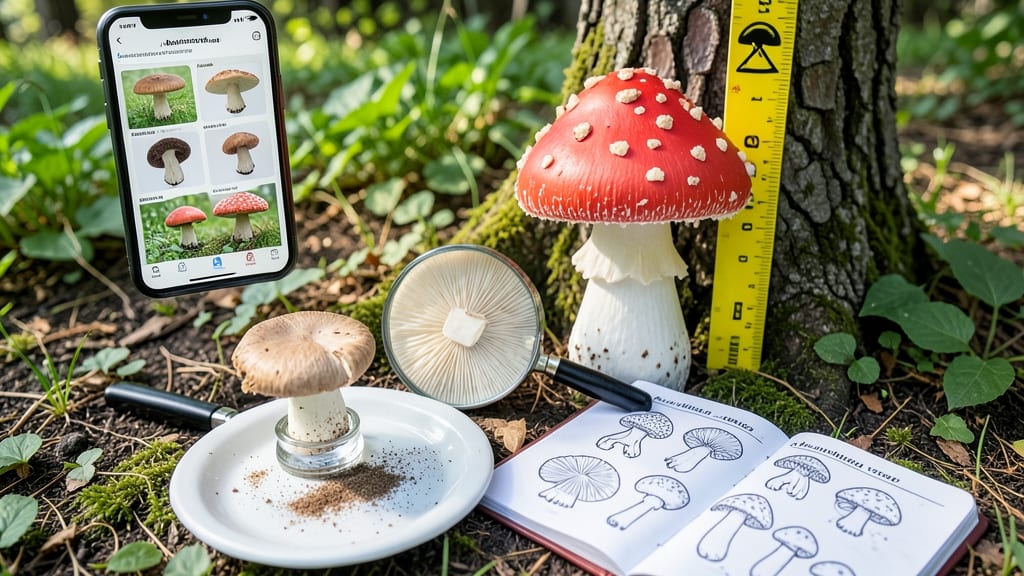
Identifying toadstools in your lawn isn’t just weird—it’s a sign your soil needs attention. 🌱 I’ve spent years learning to tell harmless toadstools from the ones that could signal compacted soil or hidden moisture issues (or worse, toxic varieties).
The key is checking just three things: cap shape, gill color, and stem texture—no fancy tools required.
Most lawn mushrooms are harmless, but their presence usually means your grass is either too damp or choked with thatch. The classic "fairy ring" of mushrooms? That’s your soil crying for better drainage.
Before you grab a rake, snap a photo and compare it to these five key features—you’ll know instantly whether they’re just passing through or need removal.
You’ll walk away knowing exactly which mushrooms to leave alone (the ones with white gills and a smooth cap) and which might need a closer look—or a call to a mycologist. The real win? Fixing the root cause so your lawn stays healthy without turning into a mushroom buffet.
Whether you’re dealing with a sudden outbreak or just curious about those little caps popping up, this guide keeps you safe and your lawn thriving. No gloves? No problem—just follow the steps and skip the guesswork.
Root Causes of Lawn Mushrooms
Those mysterious toadstools popping up in your lawn aren’t just random—there’s a science (and sometimes a problem) behind them. Understanding why they appear helps you decide whether to remove them, tolerate them, or even celebrate their presence. Here’s a breakdown of the most common triggers, explained in plain terms.
Mushrooms thrive in damp, oxygen-poor environments—think of them as nature’s way of recycling excess organic matter. If your lawn stays soggy for days or has poor drainage, fungal spores in the soil get the perfect conditions to sprout.
- How it happens: Overwatering (especially with sprinklers) or heavy clay soil traps moisture, while compacted turf restricts root growth, creating anaerobic zones where fungi flourish.
- Red flags: Mushrooms appear after heavy rain, or your lawn feels spongy when walked on.
- Actionable fix:
- Test your soil’s drainage—dig a 6-inch hole and fill it with water. If it drains in <1 hour, you’re good; if not, amend with sand or organic matter.
- Aerate compacted lawns in fall (when fungi are less aggressive) to improve airflow.
Mushrooms are the lawn’s cleanup crew—they break down dead roots, buried wood, or thatch layers. If your yard has hidden debris (like old tree stumps, fallen leaves, or even buried mulch), fungi will use it as a buffet.
- How it happens: Grass clippings, dead roots from grub damage, or buried branches provide a food source. Some mushrooms (like Agaricus bisporus, or "button mushrooms") even grow from buried wood chips.
- Red flags: Mushrooms appear in clusters near tree bases, under mulch, or after you’ve recently tilled the soil.
- Actionable fix:
- Rake up thick thatch layers (over ½ inch) to expose buried debris.
- Remove old tree stumps or roots—fungi like Armillaria (honey mushrooms) can persist for years.
When grubs (lawn-chomping larvae) or other pests feast on grass roots, they leave behind decaying plant material—and mushrooms love a post-feast buffet. Some species, like Coprinus (inky-capped mushrooms), even grow directly from grub tunnels.
- How it happens: Grubs (from Japanese beetles or June bugs) create tunnels, killing roots and leaving behind nitrogen-rich waste—fungi’s favorite snack.
- Red flags: Mushrooms appear in patches with brown, spongy grass (a classic grub damage sign).
- Actionable fix:
- Test for grubs by digging a 3x3-inch square of lawn—if you find >10 grubs, treat with Bacillus thuringiensis (a natural pesticide).
- Apply milky spore bacteria to prevent future grub outbreaks.
Fungi are opportunistic—they pop up when soil nutrients are out of whack, especially after heavy fertilization or sudden changes in pH. Too much nitrogen (from synthetic fertilizers) can actually encourage fungal growth by feeding the microbes that support mushrooms.
- How it happens: Over-fertilizing disrupts the soil microbiome, while imbalanced pH (too acidic or alkaline) stresses grass roots, making them more susceptible to fungal invasion.
- Red flags: Mushrooms appear after fertilizing, or your lawn has yellow patches despite regular feeding.
- Actionable fix:
- Get a soil test (kits from garden centers work) and adjust pH with lime (for acidic soil) or sulfur (for alkaline soil).
- Switch to slow-release, organic fertilizers to avoid nitrogen spikes.
Pro tip: 💡 Not all mushrooms are harmful! Many (like Marasmius) are harmless or even help decompose thatch. Only remove them if they’re causing damage or you dislike their appearance.
Fixing Fungal Foes in Your Lawn
Got unwanted toadstools popping up like tiny umbrellas in your grass? Don’t panic—most are harmless, but if they’re ruining your lawn’s look or signaling deeper issues, here’s how to tackle them effectively.
Below, we map common causes to practical fixes, plus prevention tips to keep your lawn lush and fungus-free.
Cause: Visible toadstools (the "fruit" of a fungus) are just the tip of the iceberg—removing them alone won’t solve the problem. Fix:
- 🔪 Snip at the Base: Use pruning shears or a trowel to cut mushrooms just below soil level. Avoid pulling—they’ll regrow, and you might disturb roots.
- 🧹 Bag and Toss: Place cut mushrooms in a sealed bag (don’t compost them—the spores can spread). Dispose of them in outdoor trash.
- 💡 Pro Tip: If mushrooms keep returning, the fungus may be deep in the soil. Repeat removal every few days until they stop appearing.
Why it works: You’re disrupting the mushroom’s life cycle without harming your lawn.
Cause: Poor drainage creates soggy spots where fungi like Agaricus or Lycoperdon thrive. Fix:
- 🏗️ Level Low Spots: Rake or till depressed areas to help water drain.
- 🌳 Add Sand or Compost: Mix coarse sand or well-aged compost into waterlogged soil to improve aeration.
- 💦 Install a French Drain (if needed): For chronically wet areas, bury a perforated pipe surrounded by gravel to redirect water.
Prevention:
- ✨ Test Your Soil: Use a soil test kit to check pH and moisture levels. Aim for slightly acidic (6.0–7.0) and well-draining soil.
- 🌧️ Water Wisely: Water deeply but infrequently (early morning is best) to avoid oversaturation.
Cause: Leaves, grass clippings, and thatch create a cozy home for fungal spores. Fix:
- 🍃 Clear Organic Debris: Rake up fallen leaves, twigs, and thick thatch layers. Dispose of them—don’t mulch them back into the lawn.
- 🪒 Dethatch if Needed: If your lawn has a thick thatch layer (>0.5 inches), use a dethatching rake or machine to break it up.
Prevention:
- 🗓️ Schedule Regular Maintenance: Mow high (3–4 inches) and leave clippings on the lawn only if they’re dry (wet clippings smother grass).
- 🌿 Aerate Annually: Core aeration (spring or fall) reduces compaction and helps prevent fungal buildup.
Cause: Weak grass invites fungi. Over- or under-fertilizing, pests, or disease stress can make your lawn vulnerable. Fix:
- 🌱 Feed Smart: Use a balanced, slow-release fertilizer (like 10-10-10) in early spring and fall. Avoid high-nitrogen fertilizers in summer—they promote lush growth that attracts fungi.
- 💊 Treat Underlying Issues: If your lawn has brown patches or pests, address them first (e.g., fungicides for disease, grub control for pests).
- 🌱 Overseed Bare Spots: Fill thin areas with a fungus-resistant grass seed (e.g., tall fescue or Kentucky bluegrass).
Prevention:
- 🌡️ Monitor Moisture: Fungi love humidity. Water lawns in the morning so soil dries by evening.
- 🌿 Mow High: Taller grass shades soil, reducing moisture evaporation and fungal growth.
If mushrooms persist after 4–6 weeks of DIY fixes, or if you suspect toxic or invasive species (like Amanita or Cortinarius), consult a local lawn care expert or extension service. Some fungi indicate deeper soil issues (e.g., compaction, poor drainage) that require professional intervention.
💡 Final Tip: Patience is key! Fungal cleanup takes time. Combine these fixes with consistent lawn care, and your grass will outgrow those pesky toadstools in no time. 🌱
Frequently asked questions about lawn toadstools
Are all toadstools in my lawn dangerous?
Most lawn mushrooms are harmless—they’re just nature’s way of breaking down organic matter. However, some species (like Amanita or Cortinarius) can be toxic if ingested. Never eat wild mushrooms unless you’re 100% certain of the species. Focus on identifying key features (cap shape, gill color) before deciding whether to remove them.
Why do mushrooms keep coming back after I remove them?
Cutting mushrooms at the base isn’t enough—the fungus grows underground! The real fix is addressing the root cause: poor drainage, compacted soil, or excess organic debris. Try aerating your lawn, improving water flow, or removing thatch layers to disrupt the fungus’s life cycle.
Can I use vinegar or bleach to kill lawn mushrooms?
Vinegar (1:1 water mix) can help kill surface fungi, but it won’t reach underground networks. Bleach is even worse—it harms grass roots and soil microbes. Instead, focus on natural fixes: improve drainage, reduce thatch, and overseed bare spots to crowd out fungal growth.
Do lawn mushrooms indicate a diseased lawn?
Not always! While some fungi signal compacted soil or grub damage, others (like Marasmius) are harmless decomposers. Check for brown patches or spongy grass—if your lawn looks healthy otherwise, mushrooms may just be recycling nutrients. Test soil drainage and pH to confirm.
When is the best time of year to deal with lawn mushrooms?
Fall is ideal for prevention, as fungi thrive in cool, damp conditions. Aerate your lawn in early fall to improve airflow, and overseed bare spots. If mushrooms appear in spring/summer, focus on fixing drainage issues immediately—heat and moisture create perfect growing conditions.