
How To
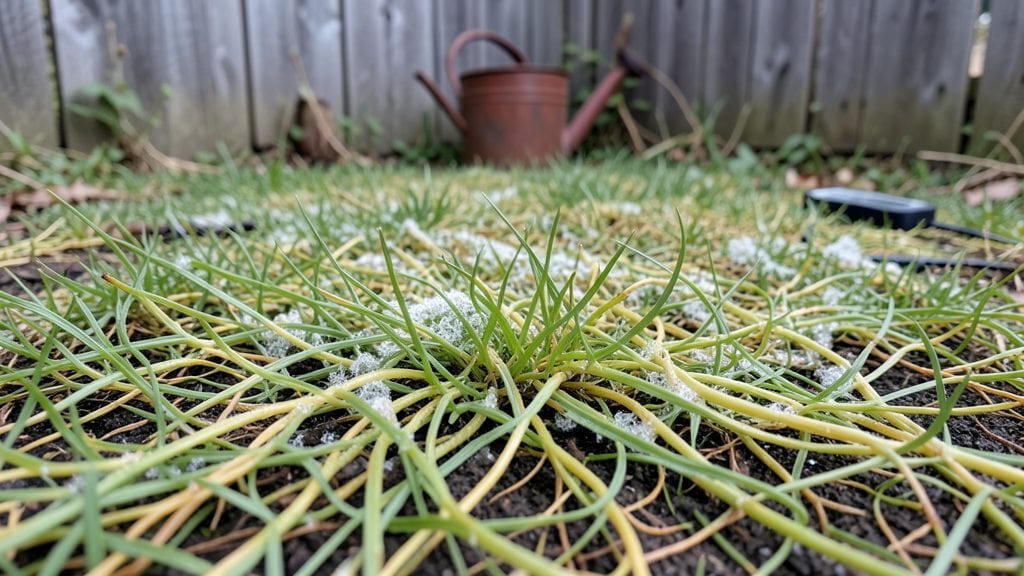
Telling if grass is overwatered involves checking for yellowing blades, a spongy texture when pressed, fungal growth like mushrooms or mold, and water pooling on the surface after rain. Root rot and a foul odor also signal excess moisture.
Overwatered grass often starts with subtle clues that many homeowners miss until it's too late. 🌱 The yellowing you notice isn't just from drought—it can signal suffocation from too much moisture, cutting off oxygen to roots.
A simple test is pressing your thumb into the soil: if it leaves a deep imprint, your lawn is drowning in its own hydration, not thriving.
What's especially damaging is how quickly fungal growth takes hold in these conditions. Those mushrooms popping up aren't just unsightly—they're a red flag for anaerobic soil where beneficial microbes can't survive.
The foul smell? That's the stink of decomposing organic matter, a clear sign your watering habits need an overhaul before the grass turns to mush.
💡 In This Article
- Visual and Physical Signs of Overwatered Grass
- Correcting Overwatered Lawn: Adjusting Irrigation and Care
Visual and physical signs of overwatered grass
Overwatered grass often starts with yellowing blades that feel soft and mushy when touched—a far cry from the crisp, green blades of healthy turf. This discoloration occurs when excess water displaces oxygen in the soil, suffocating roots and preventing chlorophyll production.
Think of it like drowning: the grass can't breathe, so it turns pale and weak. The key difference from drought-related yellowing is that overwatered grass often stays yellow even when moist, while drought-stricken grass typically turns brown and crispy.
The soil texture is your next clue—press your thumb into the ground about 2 inches deep. If it leaves a deep, slow-to-recover imprint (like pressing your thumb into wet clay), your lawn is waterlogged. Healthy soil should spring back within a few seconds.
This squishy texture indicates poor drainage, where water pools around roots instead of draining away. For comparison, well-drained soil feels like a damp sponge—firm but not soggy, with air pockets that roots need to thrive.
Fungal growth is another red flag—look for white, black, or brown mushrooms popping up like tiny toadstools or fuzzy mold patches on blades. These thrive in anaerobic (oxygen-deprived) conditions created by overwatering. The science here is simple: fungi outcompete beneficial microbes when oxygen levels drop below 10% of soil volume.
That musty, earthy smell? It’s the stink of decomposing organic matter from dead roots and fungal activity, a clear warning your lawn is drowning.
Root rot is the final stage, where roots turn brown, slimy, and decayed—almost like overcooked pasta. This happens when soil stays saturated for more than 48 hours, cutting off oxygen completely. The roots lose their white, fibrous appearance and start to smell foul.
Here’s how to test: Gently dig up a small section of grass and examine the roots. Healthy roots should be white or light tan and firm; rotted roots will feel mushy and crumble easily.
One often-overlooked sign is water pooling on the surface after rain or irrigation, even 24 hours later. This indicates compacted soil that can’t absorb water properly. The excess moisture creates a barrier that prevents roots from accessing oxygen and nutrients.
For perspective, a healthy lawn should absorb 1 inch of water in about 6-8 hours—any longer, and you’ve got an overwatering problem.
What most people don’t realize is that overwatering can also cause thatch buildup, a dense layer of dead grass and roots that suffocates the soil beneath. This layer can grow up to ½ inch thick in overwatered conditions, blocking water and air flow.
To check, slice a small section of turf vertically with a spade—if you see a thick, spongy layer between the green blades and the soil, that’s your thatch layer, a classic sign of chronic overwatering.
Here’s the takeaway: Your grass isn’t just thirsty—it’s being smothered. The visual and physical signs all point to one root cause: too much water cutting off the oxygen roots need to survive. 💫