
Lawn
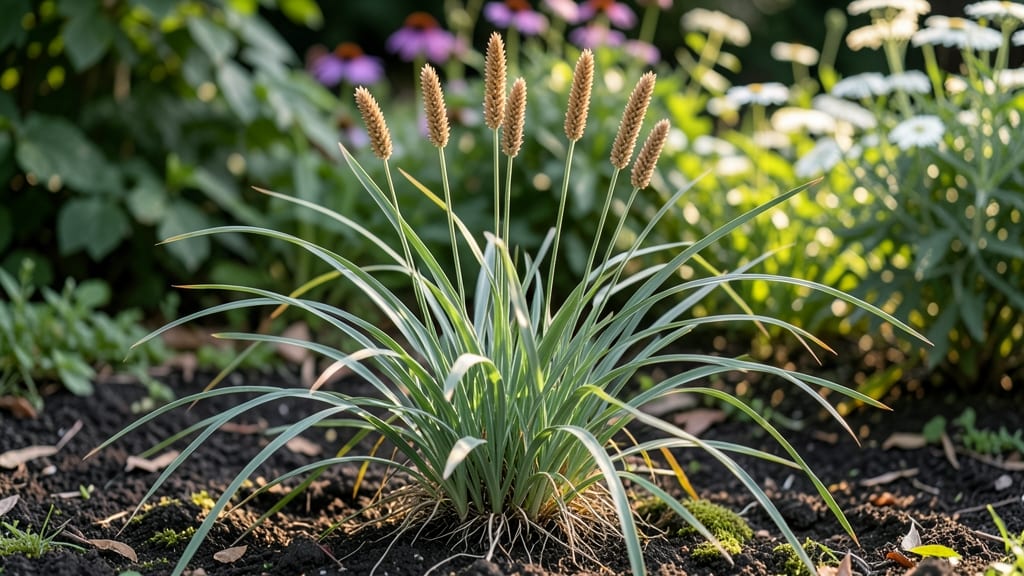
Brome grass in lawns isn’t just another weed—it’s a tough, deep-rooted invader that crowds out crabgrass and other nuisances by outcompeting them. 🌱 I’ve battled it in my own yard, and the key to winning is knowing how to spot it early, remove it strategically, and prevent it from staging a comeback.
This guide cuts through the guesswork: you’ll learn to distinguish brome’s stiff, upright blades from your lawn grass, plus three natural removal methods that actually work (no harsh chemicals needed). The secret?
Timing—pull it when the soil is moist but before it seeds, or smother it with thick mulch or dense turf. By the end, your lawn will look thicker and healthier, with brome grass nowhere in sight. The best part?
These techniques also deter future weeds by strengthening your grass’s natural defenses. Whether you’re dealing with a small patch or a full-blown invasion, this step-by-step approach keeps your lawn lush without breaking the bank or the environment.
How Unwanted Grass Invades
Brome grass—whether smooth Bromus inermis or ripgut Bromus catharticus—often sneaks into lawns unintentionally, turning your pristine turf into a patchwork of stubborn invaders. Understanding the root causes helps you take control before it spreads. Here’s why these grasses become a problem in the first place.
Brome grass thrives in disturbed soil, making it a common "opportunist" in lawns. If your soil is loose, compacted, or recently tilled—especially before overseeding—brome seeds latch onto the exposed ground like a weed with a golden ticket.
- Why it happens: Brome seeds are lightweight and travel easily on wind or equipment. Once they land in bare soil, they germinate quickly (within 7–14 days), outpacing slower-growing grass seeds.
- Science behind it: Brome’s shallow root system (fibrous but not deep) allows it to exploit surface moisture and nutrients before your desired grass establishes. A study in HortScience found that brome can dominate up to 80% of a lawn’s biomass if not suppressed within the first 30 days of growth.
- Actionable fix:
- Test your soil pH (ideal: 6.0–7.0) and amend with compost or lime if needed.
- Use a pre-emergent herbicide labeled for brome (e.g., prodiamine or pendimethalin) before seeding.
- Opt for hydroseeding or a slurry mix with mulch to block sunlight and deter weed seeds.
Brome grass spreads via seeds, and once established, it can hitchhike across your yard—or even your neighbor’s—thanks to nature and human activity.
- Why it happens:
- Wind dispersal: A single brome plant can produce 100–200 seeds per stalk, which scatter up to 10 feet away. In open lawns or near fields, this creates a "seed rain" effect.
- Equipment transfer: Mowers, rakes, and even shoes can carry seeds from one area to another. If your lawn borders a highway, farmland, or a neighbor’s property with brome, cross-contamination is likely.
- Science behind it: Brome seeds have a hard seed coat that resists drying, allowing them to stay viable in the soil for years (up to 5+ years in dormancy). This means old seeds buried during past disturbances can suddenly sprout when conditions are right.
- Actionable fix:
- Sanitize equipment after use with a 10% bleach solution or rinse thoroughly.
- Mow high (3–4 inches) to shade out weeds and reduce seed dispersal.
- Install a 10–12 foot buffer strip of dense grass (like tall fescue) along property lines to block windborne seeds.
Brome grass loves moisture but can’t handle drought—making inconsistent watering a double-edged sword for your lawn.
- Why it happens:
- Overwatering: Brome thrives in wet, poorly drained areas. If your sprinklers run too long or your soil is clay-heavy, brome seeds germinate faster than your turfgrass.
- Underwatering: Drought-stressed lawns leave gaps where brome seeds take root. A University of Nebraska study found that lawns watered less than 1 inch per week had 3x more weed invasion.
- Science behind it: Brome’s C4 photosynthesis pathway (like crabgrass) makes it more efficient in high-heat, low-water conditions—but it still needs consistent moisture to outcompete cool-season grasses like Kentucky bluegrass or fescue.
- Actionable fix:
- Water deeply 2–3 times per week (early morning, 1–1.5 inches total) to encourage deep grass roots.
- Improve drainage with gypsum or sand top-dressing in soggy areas.
- Use a soil moisture sensor to avoid over/underwatering.
Brome grass is a master at exploiting weak spots. If your lawn is sparse, recovering from damage, or struggling in summer, brome will move in like a squatter.
- Why it happens:
- Thin patches: Bare soil or thin grass (from disease, pets, or foot traffic) lets sunlight reach brome seeds, triggering germination.
- Summer dormancy: Cool-season grasses (like ryegrass) go dormant in heat, leaving gaps for warm-season weeds like brome to take over.
- Science behind it: Brome’s rapid germination (3–7 days) and aggressive horizontal growth mean it can cover 50% of a bare spot within a month. Meanwhile, turfgrass seeds often take 2–3 weeks to sprout.
- Actionable fix:
- Overseed in fall (brome’s dormant period) with a dense, shade-tolerant mix (e.g., fine fescue + perennial ryegrass).
- Apply a pre-emergent in early spring (before brome seeds sprout) to block germination.
- Use a lawn repair kit (seed + fertilizer combo) to fill bare spots quickly.
Brome grass doesn’t just invade—it dominates because it grows faster and thicker than many common lawn grasses.
- Why it happens:
- Slow-growing turf: Grasses like Kentucky bluegrass or tall fescue spread via rhizomes or stolons, but they’re no match for brome’s seed-based explosion.
- Mowing too short: Cutting grass below 2 inches weakens roots, leaving room for brome to take over.
- Science behind it: Brome’s vertical growth habit (reaching 2–4 feet) shades out slower-growing grasses, while its deep taproots (up to 3 feet) compete aggressively for water and nutrients.
- Actionable fix:
- Choose competitive grass varieties like tall fescue or perennial ryegrass, which grow faster and denser.
- Mow at 3–4 inches to crowd out brome and improve root depth.
- Fertilize with slow-release nitrogen
Quick Fixes for Brome Grass Takeover
Brome grass thriving in your lawn? While it’s a natural weed barrier, too much of it can crowd out your desired grass and make your yard look patchy. The good news? With the right approach, you can regain control—without harsh chemicals.
Below are practical, step-by-step solutions tailored to the most common causes of brome grass dominance, plus prevention tips to keep it in check for good.
---
Brome grass loves to move in where your lawn is sparse or struggling. A thick, healthy lawn is its best defense.
#### 🍳 Strengthen Your Existing Grass - Mow high (3–4 inches) to shade out weeds and encourage deep roots. - Aerate in early fall (🌡️ ideal temps: 60–75°F) to relieve soil compaction and help grass recover. - Overseed bare spots with a cool-season grass mix (like Kentucky bluegrass or tall fescue) in late summer or early fall.
#### 💡 Pro Tip: Use a soil test (📊 available at garden centers) to check pH and nutrients. Brome thrives in low-nitrogen, compacted soil—amend with compost or a slow-release fertilizer to crowd it out.
---
Brome grass often invades after soil disruption—construction, foot traffic, or even aeration can trigger its growth.
#### ⏰ Time Your Lawn Care Right - Avoid heavy foot traffic on newly seeded areas until grass is established (about 4–6 weeks). - Water deeply but less frequently (1–1.5 inches per week) to encourage deep grass roots and discourage weed seeds from germinating. - Apply pre-emergent herbicide (like corn gluten meal) before brome seeds sprout (early spring or fall).
#### ✨ Prevention Hack: Lay down cardboard or thick mulch (🌿 2+ inches) over disturbed areas before reseeding to block light and prevent brome seeds from sprouting.
---
Persistent brome? It’s likely deep-rooted or spreading via underground rhizomes.
#### 🌱 Manual Removal Methods - Hand-pull young plants (🌱 before they seed) on a damp day—roots come out easier. - Use a dandelion digger for stubborn clumps to avoid regrowth. - Solarize bare spots (🌡️ in hot months): Cover with clear plastic for 4–6 weeks to kill weeds and seeds.
#### 💡 Chemical-Free Control: For large areas, vinegar + dish soap (🍶 1 gallon vinegar + 1 tbsp soap) works as a spot treatment—but reapply weekly until brome dies back.
Once you’ve tackled the brome, keep it from coming back:
| Cause | Fix | Prevent | |--------------------------|-----------------------------------------|--------------------------------------| | Poor soil quality | Add compost, test pH | Fertilize twice a year (spring/fall) | | Overwatering | Water deeply, less often | Install a rain sensor or smart sprinkler | | Lack of competition | Overseed with dense grass | Mow high (never below 2.5") | | Seed spread from neighbors| Block seeds with mulch | Edge your lawn to contain spread |
Final Thought: Brome grass isn’t bad—it’s just opportunistic. By strengthening your lawn’s health, you’ll naturally push it out. Start with one fix (like overseeding or aerating), then layer in prevention methods for a lush, brome-free lawn. 🌿✨
Frequently asked questions
1How can I tell if the grass in my lawn is actually brome grass?
Look for stiff, upright blades with a boomerang-shaped seed head that appears in late spring. Brome grass has parallel veins and a slightly rough texture compared to smoother lawn grasses. Pull a few blades: brome’s roots are fibrous but shallow, while desirable grasses like fescue have deeper, more extensive root systems.
2Is brome grass harmful to my lawn or pets?
Brome grass isn’t toxic to pets or people, but it can crowd out your desired grass, making your lawn look patchy. While it’s safe to walk on, its sharp seed heads might irritate sensitive paws. For pets, focus on removing it to improve lawn density—not because it’s dangerous.
3Can I just mow brome grass away, or will it keep coming back?
Mowing alone won’t eliminate brome—it’ll just spread seeds faster! To stop it, pull young plants by hand (before they seed) or use a dandelion digger for established clumps. For large areas, solarization (covering with clear plastic for 4–6 weeks) kills seeds naturally.
4What’s the best time of year to remove brome grass?
Target brome in early spring (before seeds sprout) or late summer (when it’s less aggressive). Avoid fall—this is when it stores energy for next year’s growth. For chemical-free control, apply vinegar + dish soap on a sunny day in May or June when it’s actively growing.
5Will overseeding my lawn with fescue or ryegrass prevent brome from returning?
Yes! Dense, healthy grass crowds out brome by blocking sunlight and nutrients. Choose tall fescue or perennial ryegrass—they grow faster and thicker than brome. Overseed in late summer/early fall when brome is dormant, and keep your lawn mowed at 3–4 inches to shade out weeds.