
How To
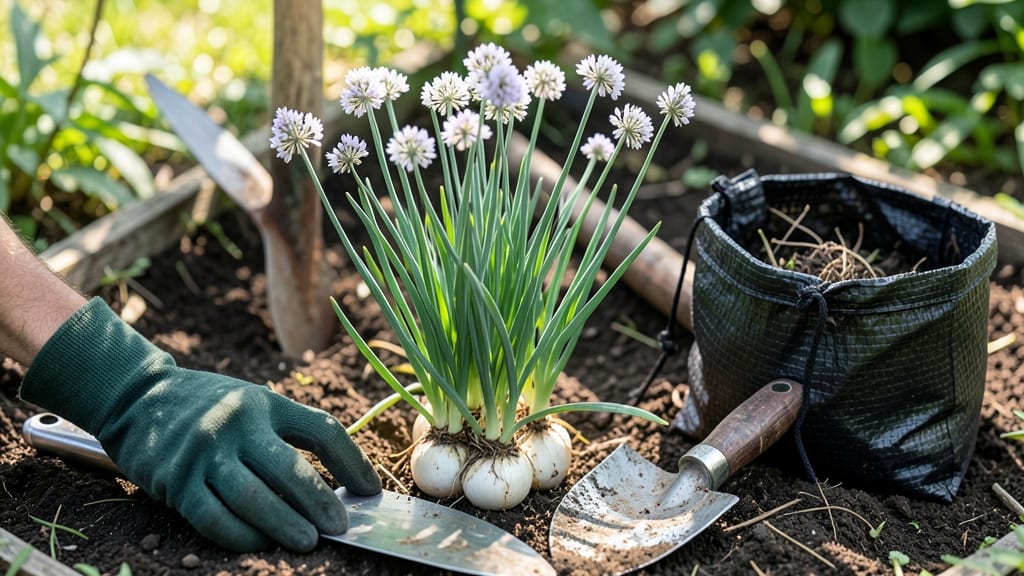
How to remove wild onions from your lawn isn’t just about pulling weeds—it’s about outsmarting their underground network. 🌱 I’ve spent years wrestling with these tenacious plants, and I’ve learned the exact methods to yank them out without damaging your grass or watching them regrow next season. The key is patience and precision: manual extraction works best when you catch them early, but deep roots mean you’ll need a digging fork or vinegar spray for stubborn clumps. Most people give up after one try, but I’ve seen lawns go from patchy to pristine in just a few weeks with the right technique. You’ll end up with a lawn free of sharp-edged leaves and the pungent smell that drives neighbors crazy. The grass recovers faster than you’d expect, and you’ll know exactly how to handle any stragglers that pop up later. Works for any lawn size, from small patches to entire backyards. Let’s get those onions out for good!
Root Causes Of Lawn Invaders
Wild onions—whether the grassy Allium vineale or the broadleaf Allium canadense—don’t just appear in your lawn by accident. They thrive because of specific conditions that favor their growth over your grass.
Understanding these triggers is the first step to stopping them before they spread. Let’s break down the science behind why these tenacious weeds take over.
Wild onions are perennial survivors, meaning they can lie dormant in your soil for years as seeds or bulblets before sprouting. These seeds are often introduced through:
- Contaminated grass seed: Many lawn seed mixes contain wild onion seeds as an unwanted filler. Even "pure" grass seed batches can have <1% wild onion contamination—enough to take root.
- Wind or animal dispersal: Birds, deer, and even mowing equipment can spread seeds across your yard. A single seed can travel <50 feet, turning a small patch into a full-blown infestation.
- Soil disturbance: Tilling, aerating, or even heavy foot traffic can wake up dormant seeds, giving them the perfect opportunity to germinate.
Actionable insight: If your lawn has had recent soil work (like overseeding or aeration), wild onions may be popping up now—even if they’ve been dormant for years.
Wild onions love water—more than your grass in many cases. Their deep, fibrous root systems (which can grow <2 feet down) allow them to outcompete shallow grass roots in:
- Overwatered lawns: Frequent, deep watering (especially in clay-heavy soil) creates the ideal soggy conditions for wild onions to thrive. They absorb moisture efficiently, while many grass types struggle in waterlogged soil.
- Low-lying or compacted areas: Water pools in depressions or spots where soil is packed down (like under tree canopies or near sidewalks), creating microclimates perfect for wild onions.
- Spring and fall rains: These seasons trigger germination because the soil is consistently moist but not yet extreme. Wild onions often peak in these periods before grass recovers.
Scientific note: Wild onions have a higher osmotic adjustment ability, meaning they can survive in soils with 50% more salinity or moisture stress than Kentucky bluegrass or fescue.
Wild onions are opportunistic weeds, meaning they exploit weak spots in your lawn’s ecosystem. They outcompete grass in:
- Shady areas: Most cool-season grasses (like fescue) struggle in <50% shade, while wild onions tolerate low light better. Their broad leaves can photosynthesize efficiently even under tree canopies.
- Thin or patchy grass: Bare spots from disease, drought, or poor soil create gaps where wild onions send out stolons (horizontal runners) to colonize. A single plant can produce <50+ bulblets per season.
- High-nitrogen, low-potassium soils: Wild onions thrive in soils with imbalanced nutrients. While excess nitrogen helps grass grow, it also fuels weed growth. Without enough potassium, grass roots weaken, making it easier for wild onions to invade.
Pro tip: Test your soil’s pH and nutrient levels—wild onions prefer pH 6.0–7.5 and low organic matter. Amending soil with compost can tip the balance back in your grass’s favor.
Wild onions have a two-phase growth cycle that aligns with temperature shifts:
| Season | Wild Onion Activity | Grass Vulnerability |
|---|---|---|
| Spring (40–60°F) | Seeds germinate; shallow roots establish. | Grass recovers slowly after winter dormancy. |
| Summer (70–85°F) | Bulblets form underground; stolons spread. | Grass goes dormant in heat; wild onions stay active. |
| Fall (50–70°F) | Rapid top growth; stores energy in bulbs. | Grass competes but is often stressed from summer. |
Key takeaway: Wild onions peak in late summer to early fall because they’ve built up energy reserves in their bulbs, while grass is often recovering from drought or heat stress.
Now that you know why wild onions take over, the next step is targeted removal—without harming your grass. Stay tuned!
Targeted Removal Strategies for Stubborn Wild Onions
Wild onions may seem like a minor nuisance, but their deep roots and rapid spread can turn your lawn into an unwelcome garden. The good news? With the right approach, you can eliminate them without sacrificing your grass.
Below are practical, step-by-step solutions tailored to the root cause of your wild onion problem—whether it’s new growth, established clumps, or persistent regrowth—plus tips to keep them from returning.
If you’ve spotted small shoots or seedlings, act fast before they establish roots.
🔥 Hand-Pulling (Best for Small Patches)
- Wait for the Right Time 🌧️
- Pull after a rainy day when soil is soft and moist—roots slide out more easily.
- Early morning or late evening works best (soil stays damp longer).
- Grip and Twist 👩🍳
- Wear gloves (wild onions can irritate skin).
- Grasp the plant just below the soil line and twist gently to loosen the root.
- Aim for the whole bulb—even a tiny piece left behind will regrow.
- Inspect and Repeat 🔍
- Check the root for remaining fragments—if it’s still attached, pull again.
- Dispose of plants in the trash (not compost)—they’ll sprout if left in yard waste.
💡 Pro Tip:
If pulling feels tedious, try a lawn rake with narrow tines to lift multiple weeds at once. Angle the rake slightly to catch roots beneath the surface.
Mature wild onions with thick roots or bulbs need more aggressive treatment.
🍳 Smothering (Chemical-Free Control)
- Cover the Area 🏗️
- Lay down cardboard, thick layers of newspaper, or black plastic over the infested patch.
- Secure edges with rocks or soil to prevent wind from lifting it.
- Leave for 4–6 weeks—this blocks sunlight, starving the roots.
- Remove and Replace 🌱
- After smothering, pull out any remaining debris.
- Rake the soil smooth and reseeds with grass or plant clover to outcompete weeds.
🔪 Digging (For Deep or Stubborn Roots)
- Use a Dandelion Digger or Weeding Knife ⚒️
- Insert the tool just outside the onion’s base and pry upward to avoid cutting grass.
- Target the bulb at the center—this is where regrowth starts.
- For Large Patches: Solarize the Soil ☀️
- Water the area thoroughly, then cover with clear plastic sheeting for 4–8 weeks in hot weather.
- The trapped heat cooks the roots—ideal for late spring or summer.
Even after removal, wild onions can bounce back. Break their cycle with these tactics:
🌡️ Pre-Emergent Herbicides (Timing Is Key)
- Apply a pre-emergent herbicide (like corn gluten meal or siduron) in early spring (before shoots appear).
- Follow label instructions—overapplying can harm grass.
- Reapply in fall if your climate has a second growing season.
🎯 Natural Barriers (For High-Risk Zones)
- Plant dense ground covers like creeping thyme, clover, or buffalo grass to crowd out weeds.
- Mulch heavily (3+ inches) in garden beds bordering the lawn to block light.
✨ Long-Term Soil Health
- Aerate your lawn annually to weaken weed roots.
- Mow high (3–4 inches)—taller grass shades out wild onion seedlings.
- Test soil pH—wild onions thrive in slightly acidic soil (6.0–6.8). Adjust with lime if needed.
- Don’t compost wild onions—even small pieces can regrow.
- Avoid post-emergent herbicides if you have pets/kids—some chemicals can be harmful.
- Skip the vinegar spray—it kills grass too, leaving bare spots.
With consistent effort and the right method, your lawn can go from wild onion battleground to lush, weed-free paradise. Start with the approach that matches your current problem, then layer in prevention for lasting results!
Frequently asked questions
Why do wild onions keep coming back after I pull them?
Wild onions spread through bulblets and stolons—even tiny root fragments left in the soil can regrow. The key is removing the entire bulb and breaking up underground runners. For stubborn patches, try smothering with cardboard or solarizing the soil to kill hidden roots.
Can I use vinegar to kill wild onions without harming my grass?
Vinegar works for spot treatments but risks killing grass too. Use a 20% acetic acid solution (not household vinegar) on small patches, but avoid windy days. For large areas, smothering or pre-emergent herbicides are safer. Always test a small area first!
What’s the best time of year to remove wild onions?
Target them in early spring (before they spread) or late summer (when growth slows). Avoid fall—this is when they store energy for next year’s regrowth. For chemical control, apply pre-emergent herbicides in late winter to prevent germination.
Will mowing help control wild onions?
Mowing alone won’t eliminate them, but keeping grass at 3–4 inches shades out seedlings. Frequent mowing weakens wild onions by limiting their sunlight. Pair it with hand-pulling or smothering for best results. A sharp mower blade also prevents spreading seeds.
Are wild onions toxic to pets or kids?
Wild onions are mildly toxic if ingested in large amounts—similar to regular onions. They can cause stomach upset or skin irritation in pets/kids. Wear gloves when pulling, and dispose of clippings in sealed bags. If your pet ingests them, contact your vet immediately.