
Lawn
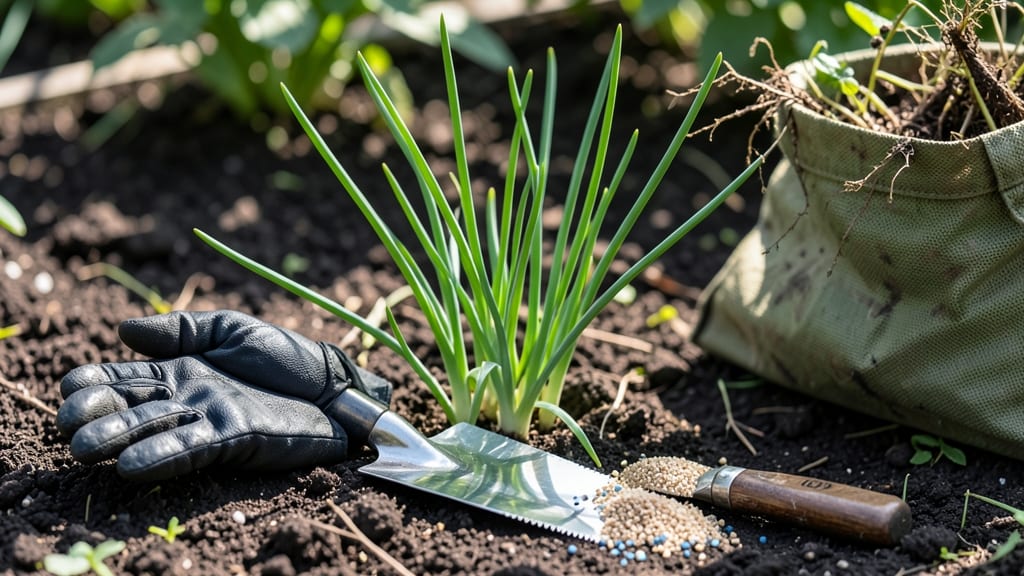
That sharp, onion-y sting in your grass isn’t a weed—it's how to remove onion grass from the lawn, and it’s fighting for space with your grass. 🌱 I've wrestled with these stubborn invaders for years, and I'm sharing the vinegar-salt blend that finally eradicates them, roots and all, in just 2-3 weeks of consistent treatment.
The problem starts when onion grass spreads through underground bulbs and sharp-edged leaves that slice barefoot feet. Most sprays only mask the issue—this method actually kills the entire plant system. You'll need basic supplies: white vinegar, salt, dish soap, and a spray bottle, plus patience for follow-up treatments.
By the time you're done, your lawn will be soft underfoot again, free of those telltale onion-scented shoots. The vinegar breaks down plant tissues while the salt dehydrates the roots—no chemicals, no regrowth if you're thorough. Just don't forget the gloves; those leaves are razor-sharp.
Works in full sun or partial shade, though you'll need to repeat after rain. For stubborn patches, we'll cover how to combine this with smothering techniques. Let's get that lawn back to pure grass!
Hidden Triggers Inviting Onion Grass
Onion grass—Romulea or Romulea rosea—might look like a harmless wildflower, but its tenacious roots and rapid spread can turn your lush lawn into a battleground. Understanding why it invades your yard is the first step to reclaiming it.
Here’s a breakdown of the key culprits behind its unwelcome takeover, backed by science and actionable insights.
Onion grass thrives on passive dispersal. Its tiny, papery seeds are lightweight and easily carried by wind over long distances—sometimes miles. Birds, squirrels, and even lawn equipment can unintentionally transport seeds to your yard, dropping them in fertile soil where they germinate within weeks.
- Why it’s sneaky: A single plant can produce hundreds of seeds, and they remain viable in the soil for years.
- Actionable fix: Inspect seed bags for "noxious weed" warnings and test soil for dormant seeds before planting new grass.
Onion grass loves moisture and thrives in soil that’s either waterlogged or poorly drained. Compacted lawns—common in high-traffic areas—create the perfect environment because:
- Reduced competition: Compacted soil strangles grass roots, leaving gaps for onion grass to colonize.
- Moisture retention: Heavy clay or sand soils hold water longer, giving onion grass a hydration advantage over shallow-rooted turf.
Pro tip: Test your soil’s compaction level with a screwdriver—if it won’t penetrate past 3 inches, aeration is needed. 🌡️
Onion grass is a sun-seeker but also exploits shady microclimates created by:
- Thinning grass: Dead patches from drought, pests, or disease create bare spots where onion grass germinates.
- Tree canopies: Dappled shade from trees mimics its native savanna-edge habitat, tricking it into thinking it’s "safe" to grow.
- New construction: Disturbed soil (like after laying sod or repairing driveways) is a magnet for weed seeds.
Science note: Onion grass’s geophyte growth habit (bulb-like corms) lets it survive drought by going dormant—so even "dead" patches can resprout when rains return. ✨
Not all lawn grasses are created equal. Onion grass outcompetes weak or slow-growing turf, such as:
- Fescue: Cool-season grasses like tall fescue struggle in heat, leaving gaps for onion grass to fill.
- Bermuda grass (dormant phases): During summer slumps, dormant bermuda grass can’t suppress onion grass growth.
- Over-fertilized lawns: Too much nitrogen softens grass, making it vulnerable to invasion.
Actionable fix: Choose drought-resistant grasses like zoysia or buffalo grass, which crowd out weeds naturally. 💡
Onion grass detests acidic soil (pH < 6.0) but thrives in neutral to alkaline conditions (pH 6.5–7.5). Common causes of pH shifts include:
| Cause | How It Helps Onion Grass |
|---|---|
| Lime applications | Raises pH, making soil ideal for onion grass corms. |
| Overuse of phosphorus fertilizers | Encourages shallow root systems in turf, giving onion grass an edge. |
| Synthetic herbicide residue | Kills competing grasses but leaves onion grass unharmed (it’s not a true grass). |
Test your pH: Use a soil test kit ($10–$20) and adjust with sulfur (to lower pH) or aluminum sulfate if needed. 📊
Tackle Onion Grass Like a Pro
Now that you understand why onion grass invades your lawn, it’s time to roll up your sleeves and reclaim your green space. The good news? With the right tools and a little elbow grease, you can eliminate onion grass—roots and all—without resorting to harsh chemicals.
Below, we break down practical, step-by-step solutions tailored to the root causes of your onion grass problem, plus tips to keep it from staging a comeback.
If onion grass is just popping up in isolated patches, manual removal is your best first line of defense. This method works best in early spring or fall when the soil is soft and weeds are young.
How to Do It:
- 🔥 Wet the Ground First Water the lawn thoroughly a day before pulling to loosen the soil. Damp soil makes it easier to extract roots without breaking them off.
- 👨🍳 Grab the Right Tools Use a weeding tool, digging fork, or even a sturdy pair of gloves and your hands. A hula hoe can help slice through larger clumps if pulling isn’t an option.
- 🥘 Dig Deep for the Roots Onion grass has a fibrous root system, so you’ll need to dig at least 2–3 inches deep to ensure you remove the entire plant. Look for a bulb-like base—that’s where regrowth starts.
- ⏰ Time It Right Pull weeds when the ground is cool and moist (early morning or late afternoon). Avoid midday heat, which can stress you and the lawn.
💡 Pro Tip:
- Bag the weeds and dispose of them in the trash—not the compost! Onion grass can regrow from even tiny root fragments left behind.
For larger infestations or when hand-pulling feels like a losing battle, a natural herbicide blend of vinegar, salt, and dish soap can work wonders. This combo burns the foliage and disrupts root growth without synthetic chemicals.
How to Do It:
- 🍳 Mix the Solution In a gallon spray bottle, combine:
- 1 gallon white vinegar (20% acetic acid)
- 1 cup coarse salt (for root penetration)
- 1 tbsp dish soap (helps the mixture stick to leaves)
- ☀️ Apply on a Sunny Day Spray the mixture directly onto onion grass on a clear, sunny day (avoid windy conditions). The sun will amplify the burning effect.
- 🔪 Reapply as Needed Onion grass is tough—you may need 2–3 applications, spaced 5–7 days apart, to fully kill it.
⚠️ Caution:
- Avoid spraying desirable plants—vinegar and salt can harm grass and flowers. Use a shield or cardboard to protect nearby greenery.
- Don’t use this on dry grass—it can spread the salt and damage your lawn further.
If onion grass has taken over a big section of your lawn, solarization is a low-effort, chemical-free way to kill it. This method uses sun and plastic sheeting to cook the weeds (and their roots) from the inside out.
How to Do It:
- 🌞 Choose the Right Time Solarization works best in late spring or early summer when temperatures are consistently above 85°F (29°C).
- 📐 Clear the Area Mow the lawn short and remove any debris. Water the area lightly the day before to help trap heat.
- 🛡️ Cover with Clear Plastic Lay clear plastic sheeting (at least 1–2 mil thick) over the infested area, securing the edges with soil, bricks, or landscape staples. Leave it for 4–6 weeks.
- 🔥 Monitor and Remove After the period, pull up any remaining weeds and reseed or replant the area with grass or ground cover.
💡 Pro Tip:
- Check for gaps—even small openings let heat escape. Use duct tape to seal edges if needed.
- Best for bare soil—if your lawn is thick, you may need to thin it first for optimal results.
Once you’ve banished onion grass, prevention is key to keeping it from creeping back in. Here’s how to fortify your lawn against future invasions:
1. 🌱 Improve Soil Health
Onion grass thrives in poor, compacted, or nutrient-deficient soil.
Boost your lawn’s resilience with: - 💪 Compost or organic matter (1–2 inches worked into the topsoil). - 🌿 Aeration (rent a core aerator to reduce compaction). - 🌱 Proper fertilization (use a slow-release, nitrogen-rich fertilizer in early spring and fall).
2. 🌿 Maintain a Thick, Healthy Lawn A dense lawn leaves little room for weeds.
Keep yours lush by: - 🌱 Mowing high (3–4 inches tall) to shade out weeds. - 💧 Watering deeply but infrequently (1–1.5 inches per week) to encourage deep roots. - 🌱 Overseeding in early fall with a weed-resistant grass variety (like tall fescue or Kentucky bluegrass).
3. 🛡️ Use Pre-Emergent Herbicides (Strategically)
If onion grass is a recurring problem, a pre-emergent herbicide (like corn gluten meal) can prevent seeds from sprouting. Apply it in early spring before weeds germinate.
4. 🚫 Remove Weeds Early
Don’t let onion grass go to seed—pull or treat it as soon as you spot it. A single plant can produce thousands of seeds that spread via wind and animals.
5. 🌡️ Mulch Garden Beds
If onion grass is invading from garden edges, mulch with wood chips or straw to block sunlight and suppress weed growth.
Onion grass won’t disappear overnight, but with consistent effort, you can reclaim your lawn. Start with manual removal or vinegar treatments for small areas, and solarization or soil improvements for larger problems. Once your lawn is healthy, it’ll naturally resist unwanted invaders.
Ready to take action? Grab your gloves, mix up that vinegar blend, or schedule a solarization session—your weed-free lawn awaits! 🌿✨
Frequently asked questions
Why does onion grass keep coming back after I pull it?
Onion grass spreads through underground bulbs and corms that can remain dormant for years. When you pull only the top growth, tiny root fragments stay in the soil and regrow. Always dig 2-3 inches deep to remove the entire bulb system. For stubborn patches, follow up with a vinegar-salt treatment to kill any remaining roots.
Will vinegar kill my grass if I accidentally spray it?
Yes, vinegar is non-selective and will kill any plant it touches, including grass. Always use a shield or cardboard barrier to protect surrounding plants. For spot treatments, apply only to onion grass on calm days when wind won't drift the spray. Test a small hidden area first to check for damage.
How long does solarization take to eliminate onion grass?
Solarization requires 4-6 weeks of continuous heat trapping under clear plastic. The process works best when soil temperatures reach 85°F (29°C) or higher. After removing the plastic, check for any remaining weeds and treat those spots with manual removal or vinegar. This method is most effective in late spring or early summer.
Can I use corn gluten meal to prevent onion grass from returning?
Yes! Corn gluten meal is a natural pre-emergent herbicide that prevents weed seeds from sprouting. Apply it in early spring (before weeds germinate) at a rate of 20 pounds per 1,000 sq ft. It also provides a light nitrogen boost to your lawn. Reapply annually for best results, as it breaks down in the soil over time.
What's the best time of day to pull onion grass?
The ideal time is early morning or late afternoon when the ground is cool and moist. This makes the soil easier to work with and reduces stress on your lawn. Avoid pulling during midday heat, as the shock can damage grass roots. Water the area lightly the day before for even better results.