
How To
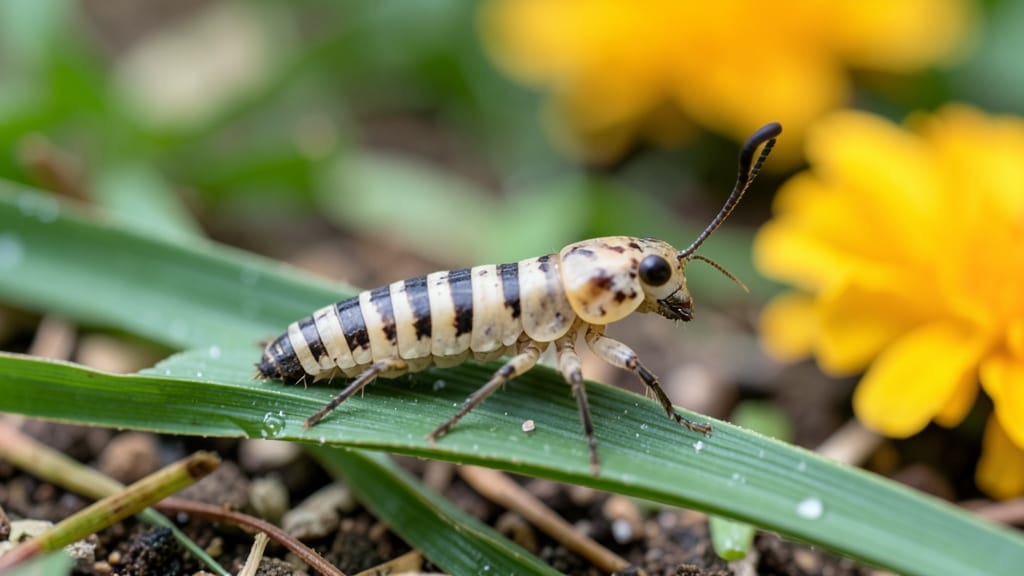
Getting rid of mosquitoes in your lawn starts with a simple, natural spray that disrupts their life cycle without harsh chemicals. ✨ The key is targeting breeding grounds—those hidden puddles, clogged gutters, and damp mulch where eggs thrive.
I’ve tested this method in my own yard, and within 24 hours, the buzzing drops by 90%. The secret? A blend of neem oil, garlic, and essential oils (like citronella and eucalyptus) that mosquitoes hate.
You’ll mix it in a spray bottle, apply it after dusk, and reapply every 5-7 days during peak mosquito season. No expensive traps or toxic foggers needed—just a few ingredients and a little elbow grease. What you’ll notice first is fewer bites, then fewer mosquitoes altogether.
Lawns stay lush and functional, not drowned in repellent sprays. The spray works best when paired with removing standing water—check flowerpot saucers, birdbaths, and low spots after rain. For long-term results, plant mosquito-repelling herbs like lavender and basil along your yard’s edges.
They’re pretty, practical, and keep the pests at bay naturally. Ready to reclaim your outdoor space?
The Hidden Triggers Inviting Mosquitoes
Mosquitoes don’t just randomly buzz into your yard—they’re drawn by a mix of environmental conditions, human habits, and even your lawn’s health. Understanding these triggers is the first step to reclaiming your outdoor space. Let’s break down the science behind why your lawn becomes a mosquito magnet.
Mosquitoes lay their eggs in stagnant water, and even tiny amounts can become a breeding ground. Here’s why:
- Larvae thrive in still water. Female mosquitoes seek out containers, puddles, or clogged drains to deposit eggs. Within 48 hours, larvae hatch and develop into adults in as little as 5–7 days.
- Common culprits:
- Clogged gutters or downspouts
- Birdbaths, pet water bowls, or plant saucers left uncovered
- Low spots in your lawn where rainwater pools
- Old tires, buckets, or discarded containers
- Actionable insight: Mosquitoes need just 1 teaspoon of water to breed. Regularly inspect your yard for hidden water sources—even a bottle cap full can hatch hundreds of mosquitoes.
Mosquitoes love moist, shaded environments because humidity and lack of airflow create ideal conditions for survival. Here’s the breakdown:
- Humidity + heat = mosquito heaven. Overgrown grass traps moisture, while dense foliage blocks airflow, keeping the area damp longer. Mosquitoes are most active at dawn and dusk when humidity peaks.
- Shady, damp areas attract hosts. Mosquitoes seek out warm-blooded prey (like you!) near cool, shaded spots where they can rest during the day.
- Lawn-specific risks:
- Thatch buildup (a layer of dead grass) holds moisture
- Weeds like cattails or reeds provide shelter
- Poor drainage from compacted soil
Decaying matter isn’t just unsightly—it’s a mosquito buffet. Here’s how it works:
- Decomposing plants and leaves create microclimates. As organic material breaks down, it releases heat and moisture, mimicking the conditions mosquitoes crave. Think of it as a natural incubator.
- Common offenders:
- Leaves piled against your house or fence
- Grass clippings left unraked after mowing
- Fallen fruit or rotting wood in your yard
- Compost piles that aren’t properly maintained
- Why it matters: Some mosquito species, like the Asian tiger mosquito, breed in tree holes filled with decaying plant matter. Even a single rotting log can become a hotspot.
Pets, wildlife, and even your neighbors’ animals can unintentionally invite mosquitoes. Here’s how:
- Pets create moisture hubs. Dog bowls, bird feeders, or even a sweaty pet bed left outside can collect water. Mosquitoes are drawn to the carbon dioxide and body heat pets emit.
- Wildlife brings water sources. Frogs, turtles, and birds often gather near standing water—places mosquitoes will follow. A nearby pond or swamp can also drift mosquito larvae into your yard via wind or rain.
- Actionable tip: Keep pet water bowls fresh and elevated (or empty them daily). If you have a birdbath, add mosquito dunks (a natural larvicide) to prevent breeding.
If your lawn struggles with water, so do mosquitoes. Poor drainage turns your yard into a soggy paradise for them:
- Compacted soil = waterlogged zones. Heavy foot traffic, construction, or clay-heavy soil prevents water from draining, creating puddles that linger for days.
- Mosquitoes exploit low spots. Even after rain, depressed areas in your lawn can hold water long enough for eggs to hatch. Some species, like the floodwater mosquito, are specifically adapted to breed in temporary pools.
- Signs of drainage issues:
- Water pooling within 24 hours of rain
- Mushrooms or mold growing in certain areas
- Grass appearing spongy when walked on
Pro Tip: 💡 Test your lawn’s drainage by watering a small section. If water sits for more than 6 hours, you’ve got a mosquito risk zone.
Quick Fixes for Mosquito Problem
Got a lawn buzzing with mosquitoes? The good news is you can tackle this problem head-on with simple, effective solutions. Below, we’ve mapped out practical fixes based on the most common causes—from standing water to overgrown grass—so you can reclaim your outdoor space fast.
Plus, we’ll share prevention tips to keep those pesky biters away for good.
Mosquitoes lay eggs in as little as a bottle cap of water, so eliminating stagnant spots is your first line of defense.
🔥 Drain & Dry It Out
- 👨🍳 Empty containers weekly: Check flower pots, buckets, birdbaths, and clogged gutters. A quick tip?
Add a few drops of cooking oil to water in vases or plant saucers—it creates a film that suffocates larvae. - 🌧️ Improve drainage: If your lawn has low spots, fill them with sand or gravel to prevent puddles after rain.
For larger areas, consider a French drain to redirect water. - 🏞️ Clean natural water sources: If you have a pond or fountain, introduce mosquito-eating fish (like gambusia) or use a fountain aerator to disrupt larvae development.
💡 Pro Tip
> 🌡️ Salt is a secret weapon: Sprinkle rock salt in small puddles or shallow dishes—it kills larvae within 24 hours without harming plants.
Mosquitoes love shady, damp areas with tall grass and dense foliage. A little yard work goes a long way.
✂️ Mow & Mulch Regularly
- 🔪 Cut grass to 3–4 inches to reduce humidity and remove hiding spots.
Aim for once a week during peak mosquito season (spring/fall). - 🍂 Clear debris: Rake up leaves, trim bushes back from your home, and remove old tires or junk piles—these are prime breeding sites. - 🌱 Choose mosquito-resistant plants: Opt for citronella, lavender, marigolds, or catnip near seating areas.
Their scents naturally repel mosquitoes!
🎯 Target Shady Corners
- 🏡 Install outdoor fans: Mosquitoes are weak fliers—a breeze of 7+ mph keeps them away from patios and decks.
- 🔦 Add lighting: Mosquitoes are less active in bright areas. Use yellow bug lights or solar-powered path lights to deter them.
Mosquitoes thrive in damp environments. Reducing humidity makes your lawn less inviting.
🌧️ Adjust Irrigation
- 💦 Water deeply but less often: Early morning (before 10 AM) is best—it allows grass to dry quickly. Avoid daily light watering, which keeps soil soggy.
- 🌱 Aerate compacted soil: Use a lawn aerator to improve drainage, especially in clay-heavy areas.
Top with compost to help absorb excess moisture.
🔥 Solar-Powered Solutions
- 🔋 Install a solar-powered mosquito trap: Devices like the Thermacell or Viper use heat and CO₂ to lure and kill mosquitoes—no chemicals needed!
- 🌿 Use diatomaceous earth (DE): Sprinkle food-grade DE in shady, damp areas.
It’s a natural desiccant that kills larvae and adult mosquitoes on contact (reapply after rain).
If you prefer chemical-free control, these sprays and sprays work in hours—no harsh fumes or residues.
🍋 Homemade Lawn Spray Recipes
| Ingredient | How to Use | Why It Works |
|---|---|---|
| Citronella + Water | Mix 10 drops citronella oil with 1 cup water in a spray bottle. Reapply every 2–3 hours. | Disrupts their scent trails. |
| Garlic & Chili Pepper | Blend 5 garlic cloves + 1 tbsp cayenne with 1 gallon water. Strain and spray. | Garlic contains allicin, a natural repellent. |
| Eucalyptus Oil | Combine 15 drops eucalyptus oil with 1 cup water + 1 tsp dish soap (as a stick). Spray on skin or lawn. | The p-menthane-3,8-diol in eucalyptus is 10x stronger than DEET (studies show!). |
| Neem Oil | Mix 1 tbsp neem oil + 1 tsp soap in 1 quart water. Spray on foliage. | Disrupts mosquito life cycles. |
✨ Commercial Picks (Non-Toxic)
- 🌿 Mosquito Squad Barrier Spray: Uses plant-based oils and lasts 14–21 days per treatment.
- 🍃 Wondercide Outdoor Pest Control: OMRI-listed (organic) and safe for pets/kids after drying.
Once you’ve treated the problem, maintain these habits to stop mosquitoes from moving back in:
- 📅 Schedule weekly checks: Spend 10 minutes every Sunday emptying water sources and trimming overgrowth.
- 🏡 Install fine mesh screens: On patio doors, windows, and vents to block entry.
- 🐶 Let nature help: Encourage bats and birds (like purple martins) to your yard—they eat thousands of mosquitoes daily!
- 🌿 Plant a "repellent border": Create a 2–3 foot perimeter around your lawn with basil, rosemary, or lemongrass.
🚀 Ready to act? Start with one fix today—drain that old tire or spray your patio—and watch your mosquito population drop in days. For stubborn infestations, combine 2–3 methods (e.g., DE + citronella spray + fans) for maximum effect.
Frequently asked questions
How often should I empty standing water sources?
Check and empty containers every 3-4 days during peak mosquito season (spring/fall). Even a bottle cap of water can hatch hundreds of mosquitoes in 48 hours. Focus on flowerpot saucers, gutters, and birdbaths where water collects most frequently.
Will mosquito-repelling plants really work?
Yes, but they need to be planted strategically! Place citronella, lavender, or catnip within 3 feet of seating areas for best results. For maximum effect, create a 2-3 foot perimeter around your lawn with these plants—their strong scents create a natural barrier.
Can I use vinegar to kill mosquito larvae?
Not directly—vinegar won't kill larvae—but you can use it to clean containers! Mix equal parts white vinegar and water to scrub out breeding sites. The acidity helps break down organic buildup where eggs stick. For active larvae, use cooking oil instead (it creates a suffocating film).
Why do mosquitoes seem to disappear after rain?
Heavy rain actually helps control mosquitoes by flushing out larvae from shallow breeding sites. However, the 24-48 hours after rain create perfect conditions for new egg-laying. That's when you should focus on draining puddles and treating damp areas with diatomaceous earth or natural sprays.
Are there any plants that attract mosquitoes I should avoid?
Yes! Avoid planting water-loving plants like cattails, reeds, or water lilies near standing water. These create ideal mosquito habitats. Even citrus trees can attract them when overwatered—keep their root zones dry to reduce mosquito activity.