
Pests
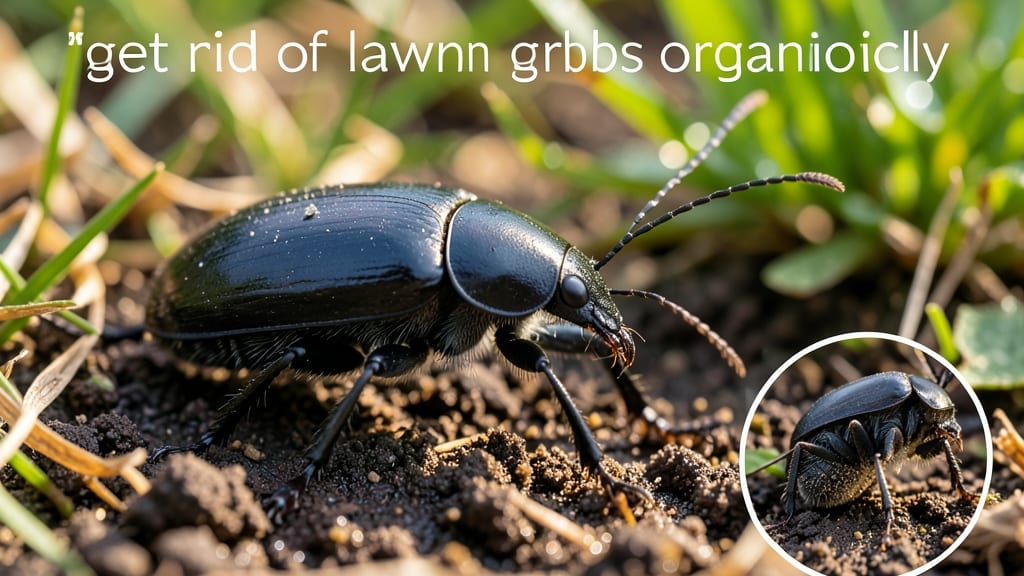
How to get rid of lawn grubs organically—without harsh chemicals—starts with microscopic nematodes that hunt them down naturally. 🌱 Most people don’t realize grubs are just the symptom of an unhealthy lawn. Too much nitrogen, compacted soil, or drought stress attract the pests that chew your roots. But the fix isn’t just about killing grubs—it’s about rebuilding a lawn that grubs won’t want to invade in the first place. With the right organic tools—like beneficial nematodes, milky spore, or even a DIY neem oil spray—you’ll see fewer brown patches within 2-3 weeks. The best part? These methods protect your soil, kids, and pets while keeping grubs from coming back year after year. Works in any climate, and you’ll skip the toxic sprays that harm your yard’s ecosystem. Let’s get your lawn thriving again—naturally.
Root Causes Of Lawn Grubs
Lawn grubs—those squirming, C-shaped larvae of beetles—don’t just appear out of nowhere. Their presence is usually a sign of underlying conditions in your lawn that create the perfect breeding ground.
Understanding these triggers is the first step toward preventing future infestations. Let’s break down the science behind why your lawn becomes a grub buffet.
Grubs thrive in moist, loose soil because it mimics their natural habitat—decaying organic matter in forest floors. When your lawn stays consistently damp (either from overwatering, poor drainage, or heavy shade), you’re essentially rolling out the welcome mat for beetles to lay their eggs.
- Why it happens:
- Excess moisture slows microbial activity, preventing beneficial fungi (like Beauveria bassiana) from naturally controlling grub populations.
- Compacted or clay-heavy soil holds water longer, creating ideal conditions for egg-laying female beetles (e.g., Japanese beetles or June bugs).
- Thatch buildup (a layer of dead grass and roots) traps moisture and organic debris, which grubs love to munch on.
- Actionable insight: If your lawn feels spongy or puddles form after rain, aeration and improving drainage can disrupt grub-friendly environments. Aim for deep but infrequent watering (1–1.5 inches per week) to dry out the topsoil slightly.
A lawn rich in organic debris—like clippings, fallen leaves, or compost—might seem like a good thing, but it’s a grub magnet. Beetles seek out areas with high nitrogen levels and decomposing plant material, which provide food for their larvae.
- Why it happens:
- Nitrogen-rich soil (from fertilizers or decomposing grass) accelerates grub growth, as larvae need protein to develop.
- Thatch layers thicker than ½ inch create a protective barrier where grubs can hide from predators (like birds or nematodes) and moisture fluctuations.
- Weak or stressed grass (from drought, disease, or poor mowing) is easier for beetles to detect and infest.
- Actionable insight: Reduce thatch by verticutting (a specialized mowing technique) or top-dressing with sand/compost to break it down. Avoid over-fertilizing—opt for slow-release, organic fertilizers to prevent nitrogen spikes.
Grubs don’t hatch spontaneously—they’re the offspring of adult beetles that actively seek out your lawn. Timing and beetle behavior play a huge role in infestations.
- Why it happens:
- Adult beetles (like June bugs or chafers) emerge in late spring to early summer and lay eggs in warm, moist soil—usually 2–4 inches deep.
- Peak egg-laying occurs after rain or irrigation, as damp soil is easier to burrow into.
- Lawns with clover or broadleaf weeds attract beetles, as they’re drawn to diverse plant life for egg-laying sites.
- Actionable insight: Monitor your lawn in June and July—this is when most grub eggs hatch. Use yellow sticky traps for adult beetles to reduce future populations. Mow high (3–4 inches) to deter egg-laying, as beetles prefer shorter grass for easier access.
A healthy lawn ecosystem includes grub predators like birds, toads, nematodes, and even some soil-dwelling bacteria. When these predators are missing, grub populations explode.
- Why it happens:
- Overuse of chemical pesticides kills beneficial insects (like ground beetles or spiders) that prey on grubs.
- Monoculture lawns (only one type of grass) lack biodiversity, reducing food sources for predators.
- Compacted soil limits the movement of nematodes (Steinernema or Heterorhabditis species), which are natural grub killers.
- Actionable insight: Encourage predators by planting native wildflowers (like dandelions or clover) or installing a bird bath. Avoid broad-spectrum pesticides and consider beneficial nematodes as a preventive treatment.
Pro Tip: 💡 Grubs don’t just appear—they’re invited. By addressing moisture, organic matter, beetle activity, and predator balance, you can make your lawn less appealing to these pests before they become a problem. The key is proactive lawn care, not reactive damage control!
Natural Ways to Eliminate Lawn Grubs
Grubs may be tiny, but their damage can be devastating—thinning grass, brown patches, and a lawn that looks like it’s been through a drought. The good news? You don’t need harsh chemicals to tackle them.
Below are targeted, organic solutions to tackle grubs based on their root causes, plus prevention tips to keep them from returning.
Grubs thrive in soggy, poorly drained soil, where their larvae can’t dry out. If your lawn feels spongy or water pools after rain, improve drainage to make the environment less inviting.
How to Fix It:
- 🍳 Aerate your lawn in early fall or spring using a core aerator (rent one if needed). This creates air pockets, helping water drain and roots breathe.
- 👨🍳 Top-dress with compost (¼ inch) after aerating to improve soil structure. Compost adds beneficial microbes and organic matter that grubs dislike.
- ⏰ Water deeply but less frequently—aim for 1–1.5 inches per week. Shallow watering keeps the topsoil damp, which grubs love.
💡 Pro Tip: Test your soil’s drainage by digging a 6-inch hole and filling it with water. If it drains in under an hour, your lawn is likely fine. If not, amend with sand or organic matter.
Grubs target stressed grass, so a healthy, dense lawn is your first line of defense. Thick turf leaves fewer gaps for eggs to hatch and larvae to feed.
How to Fix It:
- 🌱 Overseed bare spots with a grub-resistant grass variety like tall fescue, Kentucky bluegrass, or perennial ryegrass. These types recover faster and crowd out pests.
- 🔪 Mow high (3–4 inches) to shade the soil and discourage egg-laying. Taller grass also outcompetes weeds, which grubs may target.
- 🌡️ Fertilize smartly—use a low-nitrogen, organic fertilizer (like compost or worm castings) in early fall. Avoid fast-release nitrogen, which can attract pests.
🎯 Prevention Hack: Apply corn gluten meal (a natural pre-emergent) in early spring. It’s non-toxic, breaks down over time, and suppresses weed seeds and grub populations.
If you’ve spotted white, C-shaped larvae (1–1.5 inches long) in your soil, it’s time for direct action. These methods kill grubs without harming your lawn or pets.
Option 1: 🔪 Beneficial Nematodes (Best for Long-Term Control)
Microscopic Steinernema carpocapsae nematodes seek out and paralyze grubs, breaking them down naturally.
How to Apply:
- 🌧️ Water your lawn the evening before treatment (soil should be moist but not soggy).
- 🍳 Mix nematodes with water (follow package rates—typically 1–5 million per 1,000 sq. ft.).
- 👨🍳 Apply with a sprayer in the early evening (nematodes die in direct sunlight).
- 💧 Reapply every 4–6 weeks during grub season (late spring to early fall).
✨ Why It Works: Nematodes are safe for humans, pets, and plants and provide season-long protection.
Option 2: 🌿 Neem Oil or Horticultural Oil (Fast Knockdown)
Neem oil disrupts grubs’ growth and feeding habits. It’s best for small infestations or as a supplement to nematodes.
How to Apply:
- 🍳 Mix 2 tbsp neem oil + 1 tsp mild soap per gallon of water.
- 👨🍳 Spray thoroughly on grass and soil (focus on brown patches).
- ⏰ Reapply every 7–10 days for 3–4 weeks.
- 🌧️ Water lightly after to help penetration.
💡 Caution: Neem oil can harm beneficial insects—apply in the evening when bees are less active.
Option 3: 🍄 Milky Spore (Preventative Powerhouse)
A bacillus thuringiensis variant, milky spore, lives in the soil and kills Japanese beetle grubs (the most common type). It’s a one-time treatment that lasts 5–10 years.
How to Apply:
- 🌱 Apply in early fall when grubs are active but before freezing temps.
- 🍳 Mix with water and spread evenly over the lawn (follow label rates).
- 💧 Water lightly to help it penetrate.
🎯 Best For: Lawns prone to Japanese beetle grubs—ideal for preventative use.
Prevention is easier than treatment. Once your lawn is grub-free, lock in your progress with these habits:
- 🌿 Encourage natural predators: Birds (like skunks and moles), toads, and ground beetles eat grubs. Avoid pesticides that harm them! - 🍂 Clean up thatch: Thick layers of dead grass provide hiding spots.
Dethatch in late spring to expose grubs to predators. - 🌱 Plant grub-resistant ground covers: Clover and creeping charlie are less appealing to grubs than Kentucky bluegrass. - 📅 Monitor in spring & fall: Check for grubs by probing the soil with a trowel.
If you see 5+ grubs per sq. ft., treat immediately.
Final Note: Patience is key—organic methods take 4–6 weeks to show results, but they’re safer, longer-lasting, and better for your lawn’s health. Once you’ve kicked grubs out, your grass will bounce back thicker and greener than ever!
Frequently asked questions
How do I know if my lawn has grubs?
Look for thin, patchy grass that pulls up easily (roots are chewed off), or skunks/dogs digging in your yard. Dig up a small section—if you see white, C-shaped larvae (1–1.5 inches long), those are grubs. The best time to check is in late spring/early summer when they’re most active.
Can I use coffee grounds to kill grubs?
Coffee grounds won’t kill grubs directly, but they can help improve soil health over time. The real benefit comes from their acidity (if your soil is alkaline) and added organic matter. For faster results, pair them with beneficial nematodes or neem oil—they’re the proven grub fighters.
Will chickens eat lawn grubs?
Chickens love grubs and will happily dig them up. Let them free-range on your lawn for a few hours (supervised) to reduce grub populations naturally. Just avoid letting them scratch up large areas—focus on brown patches where grubs are concentrated.
How long do organic grub treatments take to work?
Beneficial nematodes and neem oil typically show results in 2–4 weeks, while milky spore takes 3–6 months to establish. For immediate relief, combine nematodes with aeration and overseeding—this helps grass recover faster while grubs are being eliminated.
Are grubs harmful to pets?
Grubs themselves aren’t toxic, but the chemicals used to kill them (like synthetic pesticides) can be dangerous if ingested. Organic methods (nematodes, neem oil) are pet-safe once dry. Always supervise pets after applying any treatment, even natural ones, until the area is fully dry.