
Lawn
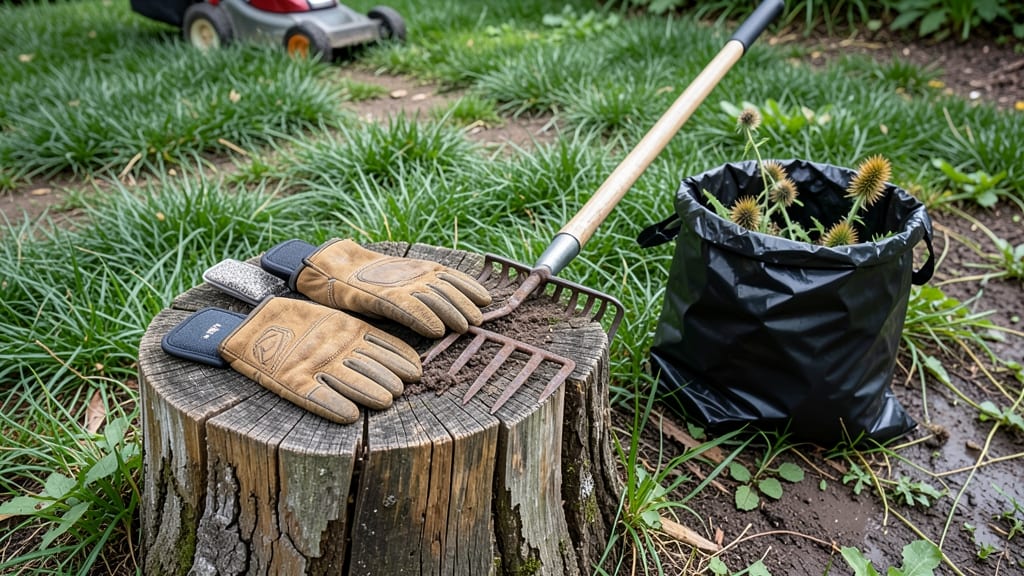
To get rid of burrs in lawn, you'll need to pull them by hand with gloves, use a string trimmer for dense patches, or apply natural herbicides like vinegar mixed with dish soap. Keeping your grass healthy through regular mowing and overseeding prevents these spiky weeds from taking over.
Burrs thrive in thin, stressed lawns where grass struggles to compete. 🌱 These pesky weeds spread through wind-dispersed seeds that latch onto clothing, pet fur, and even car tires, turning your yard into a minefield of sharp little invaders.
The key to eradicating them lies in a two-pronged approach: immediate removal and long-term lawn care.
I've found that a combination of manual extraction (using a specialized burr rake) and targeted herbicide application works fastest, but only if you address the underlying soil and grass health issues causing the problem in the first place.
For stubborn patches, I recommend treating them in the early morning when the burrs are still damp with dew—this makes the herbicide solution cling better to the leaves. Regular mowing at the correct height (3-4 inches for most grasses) prevents burr seeds from getting enough sunlight to germinate, while overseeding with a dense grass variety like tall fescue creates a natural barrier against new infestations.
💡 In This Article
- Why Burrs Invade Lawns and How They Spread
- Step-by-Step Burr Removal Techniques for Different Lawn Types
Why burrs invade lawns and how they spread
Burrs are actually the seed pods of certain weeds like smartweed or cocklebur, designed by nature to spread aggressively. Their spiky exterior hooks onto anything that brushes against them—clothing, pet fur, or even car tires—then releases seeds when disturbed.
This mechanical dispersal system means a single burr can create dozens of new plants within weeks. The seeds remain viable in soil for up to 5 years, waiting for the right conditions to germinate.
The real problem starts when your lawn becomes stressed. Burrs thrive in compacted soil with poor drainage, where grass struggles to compete. When grass roots weaken from drought, poor nutrition, or mowing too short, burrs fill the gaps like weeds in a garden.
Their shallow root systems (typically 3-6 inches deep) allow them to absorb water quickly during dry spells, while their broad leaves soak up sunlight that should nourish your grass. 🌱 In fact, studies show burr infestations increase by 400% in lawns mowed below 2.5 inches during summer heatwaves.
Seasonal patterns matter too. Burr seeds germinate most actively in spring and fall when soil temperatures hover between 60-75°F. The plants mature quickly (in just 4-6 weeks), producing hundreds of seeds before dying back in winter.
This rapid lifecycle explains why you might see sudden burr outbreaks even in well-maintained lawns—just one overlooked plant can create a new infestation. The key to stopping this cycle is breaking the seed-to-soil connection before germination.
Environmental factors play a surprising role too. Burrs actually prefer disturbed soil, which is why construction sites or freshly aerated lawns become hotspots. Their seeds need light to germinate, so thick mulch layers or dense ground covers can suppress them naturally.
Ironically, the same lawn care practices that strengthen grass—like core aeration and proper watering—also create conditions where burrs struggle to establish. The difference? Healthy grass outcompetes them for resources before they take root.
Here's what most people miss: burrs don't just spread horizontally. Their seeds can travel vertically too, carried by wind up to 10 feet in height. This is why you'll often find them growing in tree lines or along fence rows—perfect vantage points for maximum dispersal.
The solution? Create physical barriers like mulch borders or gravel paths to block their spread between lawn zones. 💫
Understanding this biology explains why spot treatments often fail. A single burr plant can produce 2,000+ seeds, so removing just the visible spikes won't stop the problem. The real battle is preventing those seeds from reaching the soil in the first place—through consistent lawn maintenance and smart landscaping choices.