
How To
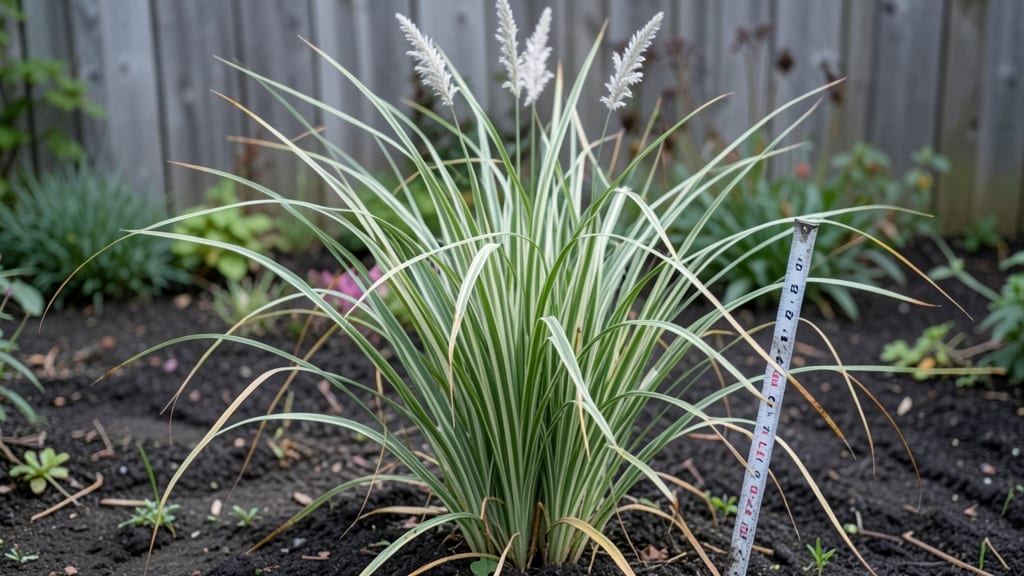
Zebra grass typically grows between 1 to 3 feet tall, depending on the variety and growing conditions. Dwarf varieties like 'Meyer' stay under 1 foot, while standard types like 'Zebra' can reach 2 to 3 feet with proper care and sunlight.
This ornamental grass thrives as both a low-maintenance border plant and a dramatic focal point, thanks to its striking striped foliage. Meyer varieties stay compact, perfect for small gardens or containers, while taller types like 'Zebrinus' create bold vertical accents in landscape designs.
What’s fascinating is how their height adapts to climate—northern growers often see stunted growth in harsh winters, while southern regions can push them toward their full 3-foot potential with consistent care. 🔥
For those aiming to maximize height, focus on well-draining soil and full sun exposure—these are non-negotiable for achieving the tallest specimens. I’ve found that pruning back dead fronds in early spring gives new growth a head start, while avoiding overwatering prevents weak stems that can’t support their own weight.
The key is patience: zebra grass reaches its mature height gradually, often taking 2-3 years to fully establish. ✨
💡 In This Article
- Zebra Grass Height Variations by Type
- Optimizing Zebra Grass Growth for Maximum Height
Zebra grass height variations by type
The most dramatic height differences in zebra grass come from its botanical family—primarily Miscanthus sinensis varieties. Take 'Zebrinus', the classic striped zebra grass: it typically reaches 4-6 feet at maturity, though many gardeners report 3-5 feet in cooler climates.
This variety grows in clumping habits, meaning it forms tight bundles of stems that create an upright, architectural form. In contrast, 'Gracillimus' (often called "Cloud" or "Feathery" zebra grass) stays slender at 3-4 feet but spreads wider, creating a more airy, cascading effect.
The growth habit directly impacts height potential. Clumping varieties like 'Zebrinus' channel energy into vertical growth, while spreading types like 'Malepartus' (which reaches 5-7 feet) prioritize horizontal expansion.
Here's what's happening underground: clumpers develop a dense root system that supports taller stems, while spreaders send out rhizomes that create multiple growth points but may limit individual stem height.
Cold hardiness plays a critical role too—zebra grass varieties rated for USDA zones 5-9 will often grow 1-2 feet taller in zone 8-9 climates compared to zone 5-6, where winter dieback can stunt growth.
Dwarf varieties like 'Meyer' (under 1 foot) and 'Little Kitten' (around 18 inches) achieve their compact size through genetic dwarfing traits. These work by limiting stem elongation through reduced gibberellin production—plant hormones that promote vertical growth. The trade-off?
Their shorter stature makes them more wind-resistant and perfect for container gardening, where taller varieties might topple. What's interesting is how these dwarf varieties often have wider leaves (up to 1.5 inches) compared to their taller cousins, creating visual impact through leaf texture rather than height.
Climate interactions create fascinating height variations. In humid southern climates, zebra grass can grow 20-30% taller than in dry western regions due to moisture availability. The science: higher humidity reduces transpiration stress, allowing plants to allocate more energy to stem elongation.
Conversely, in northern climates, early spring pruning becomes crucial—removing dead foliage by late March can add 6-12 inches to final height by encouraging new growth before summer's peak.
The striped pattern itself doesn't affect height, but it does influence sunlight absorption: the white stripes reflect light while green areas absorb it, creating a subtle growth gradient within the plant.
For landscape designers, these height variations create stunning visual layering. Place 'Zebrinus' (4-6 feet) behind 'Malepartus' (5-7 feet) for a cascading effect, while 'Little Kitten' (18 inches) works beautifully as a foreground accent.
The key is matching varieties to your climate zone—what grows to 6 feet in zone 8 might only reach 3 feet in zone 5 without winter protection.
This adaptability is why zebra grass thrives in everything from urban courtyards to wildflower meadows, offering both structure and flexibility in garden design. 🌿