
How To
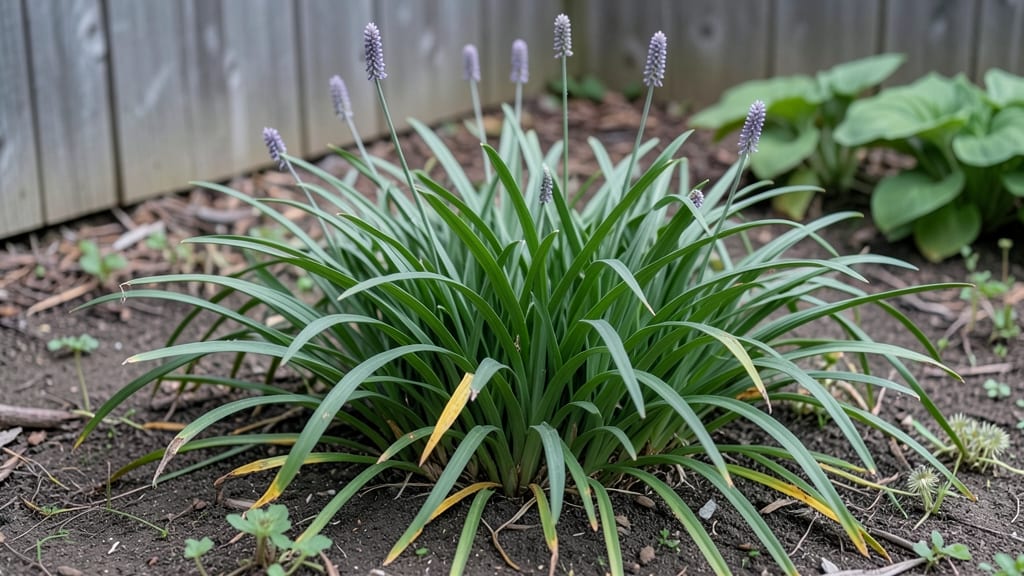
Monkey grass typically grows between 2 to 4 feet tall, though some varieties like Liriope muscari reach 6 feet with proper care. Its height depends on species, sunlight, and soil conditions, with clumping types staying shorter than spreading varieties.
Most gardeners focus on sunlight and soil when choosing where to plant this hardy perennial, but the real game-changer is the variety you select. Liriope muscari varieties often push toward that 6-foot mark in ideal conditions, while Ophiopogon (world grass) typically stays under 1 foot—making it perfect for edging or container gardens.
The key difference lies in their growth habits: clumping types like 'Big Blue' stay neat and manageable, while spreading varieties can quickly fill larger spaces if left unchecked. 🌱
If you're working with limited space, I recommend pruning back 1/3 of the foliage in early spring to encourage denser growth. For taller varieties, planting slightly deeper than the root ball helps stabilize the plant and prevents flopping.
And here's a pro tip: well-draining soil with a 20-30% sand mix can make a noticeable difference in height control, especially in humid climates where fungal issues might otherwise stunt growth. 💛
💡 In This Article
- Monkey Grass Height Variations by Species
- Tips to Control or Enhance Monkey Grass Height
Monkey grass height variations by species
The height differences between Liriope (monkey grass) and Ophiopogon (world grass) come down to their botanical structures and natural growth patterns. Liriope muscari, for example, can shoot up to 6 feet in ideal conditions, thanks to its thick, fibrous rhizomes that store nutrients and fuel rapid vertical growth.
Meanwhile, Ophiopogon japonicus (world grass) typically maxes out around 12 inches—its slender, grass-like blades grow in dense mats rather than vertical spikes. The key distinction lies in their root systems: Liriope spreads aggressively underground, while Ophiopogon stays compact and low-growing.
Growth habits play a massive role in height potential. Clumping varieties like 'Silvery Sunlight' stay between 1.5 to 2.5 feet tall because their rhizomes grow outward in tight clusters, limiting vertical expansion.
In contrast, spreading types like 'Monroe White' can reach 3 to 4 feet as their rhizomes stretch horizontally, sending up multiple stems. This spreading habit also explains why some gardeners find Liriope invasive—it doesn't just grow taller, it colonizes space aggressively. 🌿
Sunlight exposure directly impacts height, especially for taller varieties. Liriope thrives in full sun to partial shade, but when planted in deep shade, it often stays shorter (around 2 feet) because the plant conserves energy for survival rather than vertical growth.
Conversely, in full sun, varieties like 'Big Blue' can push toward 4 feet as they photosynthesize more efficiently. Soil drainage matters too—waterlogged conditions stunt growth, while well-draining soil with 10-20% organic matter encourages taller, healthier plants.
Here's what most gardeners overlook: temperature fluctuations affect height too. In cooler climates, Liriope may only reach 3 feet because its growth slows in temperatures below 50°F. In warmer zones (USDA 7-10), the same variety can easily hit 5 feet.
This is why nurseries often label plants as "compact" or "tall"—those labels reflect both the species' genetics and the growing conditions they were raised in. 🌡️
For a real-world comparison, consider 'Dragon's Tongue' (a Liriope hybrid) which grows 2-3 feet tall but spreads 3 feet wide, while Ophiopogon varieties like 'Black Dragon' stay under 1 foot but create a lush, ground-hugging carpet.
The trade-off is clear: if you want height, Liriope is your go-to, but if you prefer a low-maintenance ground cover, Ophiopogon delivers with minimal upkeep.
One final nuance: some Liriope varieties, like 'Glaucous', exhibit a phenomenon called "height suppression" in crowded conditions. When planted too closely, their stems may only reach 18 inches as they compete for resources.
This is why spacing matters—give clumping types 18-24 inches between plants and spreading types 2-3 feet to achieve their full height potential. ✨