
How To
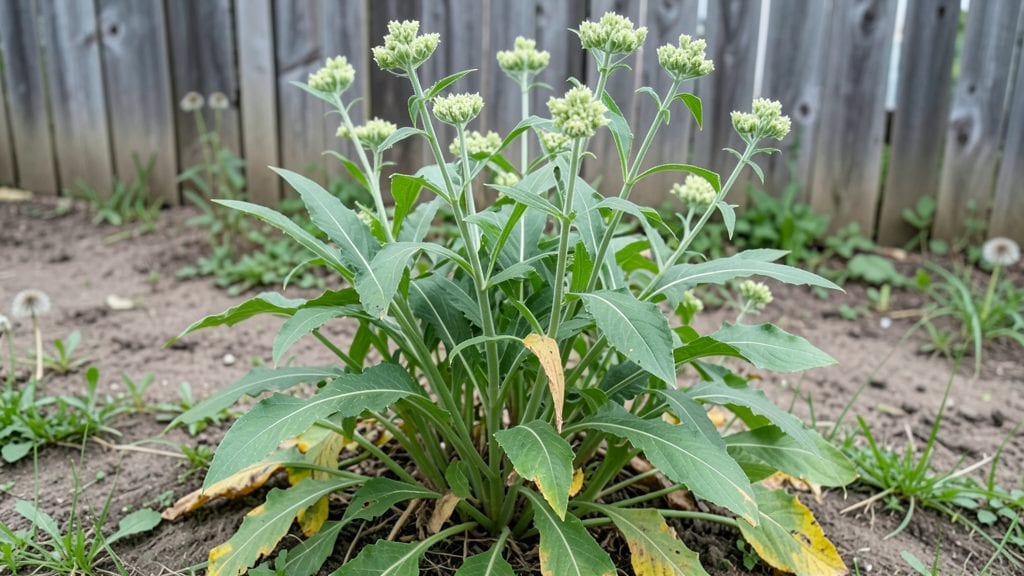
Johnson grass typically grows between 3 to 6 feet tall under ideal conditions, though it can reach up to 12 feet in dense, unmanaged stands. Its rapid vertical growth and aggressive spread make it a dominant weed in warm climates.
Johnson grass thrives in warm regions because its height is directly tied to sunlight exposure and soil fertility. When left unchecked, it can tower over neighboring plants, creating dense thickets that outcompete native vegetation.
My experience shows that even in well-maintained lawns, a single patch can quickly dominate if not addressed early. 🌱
What’s fascinating is its root system—deep and extensive—which allows it to tap into water and nutrients that other grasses can’t access. This gives it an unfair advantage in dry conditions, where it can still grow tall while weaker plants struggle.
Understanding these growth patterns helps in choosing the right control methods for your specific climate. 💡
💡 In This Article
- Factors Influencing Johnson Grass Height Growth
- Managing Johnson Grass Height in Landscapes
Factors influencing Johnson grass height growth
Johnson grass achieves its impressive height through a combination of genetic traits and environmental factors.
Its deep root system—capable of reaching 6-8 feet below the surface—anchors the plant while accessing water and nutrients that shallow-rooted grasses can't. This root structure allows it to thrive in drought conditions where other plants wilt, contributing to its 3-6 foot average height under ideal circumstances.
The plant's C4 photosynthetic pathway also gives it an efficiency advantage in hot climates, enabling rapid vertical growth when sunlight is abundant. 🔥
The plant's height varies dramatically based on sunlight exposure. In full sun conditions, Johnson grass can grow 8-12 feet tall when unchecked, developing thick, woody stems that support its height. However, even partial shade reduces its vertical growth by 30-50% due to reduced photosynthesis.
Soil fertility plays a crucial role too—plants in nutrient-rich soils with adequate nitrogen can grow 20-30% taller than those in poor soils, though they may become less structurally stable. The plant's ability to fix nitrogen through root associations also gives it an edge over non-leguminous competitors.
Water availability creates another critical factor in Johnson grass height. While it's drought-tolerant, consistent moisture during the growing season can push heights toward the 12 foot maximum. The plant's extensive root system allows it to absorb water from deep soil layers, but surface irrigation actually stimulates faster vertical growth.
This is why Johnson grass often becomes a problem in agricultural fields with irrigation systems—it can outpace crops by 2-3 feet in a single growing season. The plant's growth rate accelerates during warm months (April-October in most climates), with stems elongating 1-2 inches per day under optimal conditions. ✨
Genetic factors contribute to Johnson grass's competitive advantage over native grasses. Its hybrid nature (often a cross between Sorghum halepense and other species) gives it hybrid vigor, resulting in stronger stems and faster growth rates.
The plant's ability to reproduce both sexually (through seeds) and asexually (via underground rhizomes) creates dense stands that can reach 12 feet when left unmanaged. These rhizomes can spread horizontally 20-30 feet per year, creating interconnected root networks that support the plant's towering growth.
The combination of deep roots, extensive rhizomes, and efficient photosynthesis makes Johnson grass nearly impossible to eradicate once established. 💫
Comparing Johnson grass to native grasses reveals its competitive dominance. While native warm-season grasses like Bermuda or Zoysia typically reach 1-3 feet, Johnson grass can grow 4-6 times taller under the same conditions. Its ability to grow through pavement cracks and emerge from buried rhizomes demonstrates its resilience.
The plant's height isn't just about size—it's a survival strategy that allows it to outcompete other vegetation for sunlight, water, and nutrients in warm climates. This competitive advantage explains why it's considered one of the world's worst invasive weeds in agricultural and natural ecosystems. 🌱
Understanding these growth factors helps explain why Johnson grass becomes such a problem in landscapes. Its height isn't random—it's the result of evolutionary adaptations that make it exceptionally well-suited to warm, sunny environments with adequate moisture.
The plant's ability to grow so tall makes it difficult to control through mechanical means like mowing, as the blades often don't reach the lower growth points. This biological advantage requires targeted management strategies that address both its above-ground and below-ground growth systems. 💡