
Fertilization
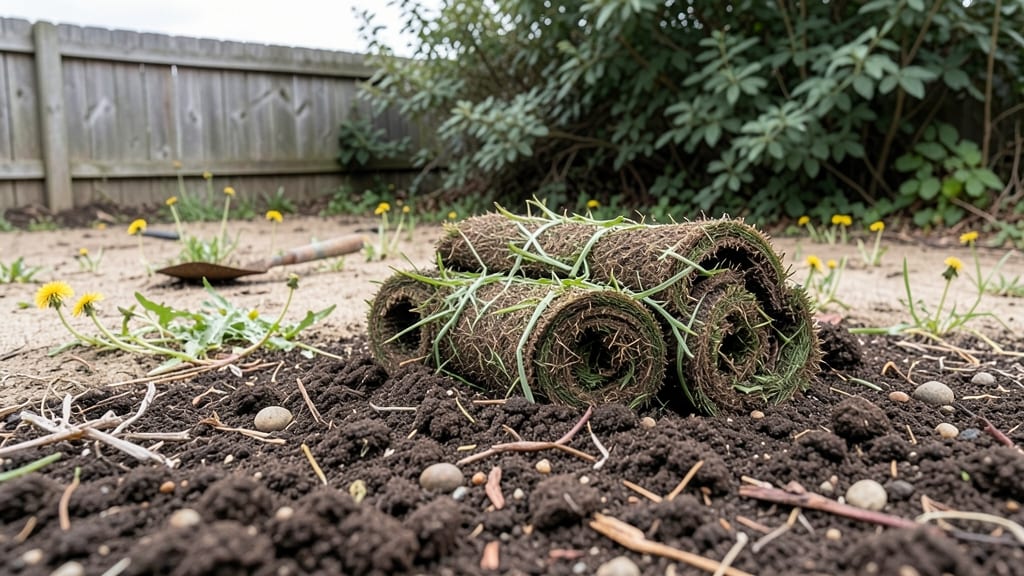
For sod installation, spread 2 to 4 inches of topsoil evenly over the prepared base to ensure proper root penetration and drainage. Adjust depth based on soil quality and grass type—sandy soils may need extra coverage, while clay-heavy soils benefit from deeper aeration layers.
Getting the soil layer just right isn't just about the numbers—it's about creating the perfect environment for those grass roots to thrive. A 2- to 4-inch layer balances drainage and moisture retention, while also preventing compaction that could strangle new growth.
I've seen firsthand how clay-heavy soils need that extra depth to break up naturally, while sandy soils sometimes need a bit more organic matter mixed in to hold onto nutrients longer.
The goal is to mimic natural soil conditions where grass would grow wild—loose enough for roots to explore but stable enough to support the new sod without shifting. 🌱
💡 In This Article
- Topsoil Depth Science: Why 2-4 Inches Works Best
- Topsoil Prep Checklist for Sod Success
Topsoil depth science: why 2-4 inches works best
The 2- to 4-inch topsoil layer isn't arbitrary—it's a precise balance between aeration and moisture retention that grass roots crave. When you install sod, the roots need immediate access to oxygen and water while establishing themselves.
A 2-inch layer provides just enough space for fine roots to penetrate quickly, while the upper layer prevents excessive drying. Think of it like a sponge: too thin, and it dries out fast; too thick, and it stays soggy, suffocating roots. 🌱
The science gets interesting when you consider root growth patterns. Cool-season grasses like Kentucky bluegrass develop roots that spread horizontally first, needing a loose 2-inch layer to explore laterally.
Warm-season grasses like Bermuda grass grow deeper roots (up to 6 inches in ideal conditions), so the 4-inch maximum gives them room to establish stronger anchors.
The topsoil's organic matter content also matters—sandy soils might need 3-4 inches because they drain too quickly, while clay soils benefit from 2-3 inches plus aeration to break up compaction.
Moisture retention is where the magic happens. A 2-inch layer holds about 0.5 gallons of water per square foot—enough to keep roots hydrated during the critical first 2 weeks.
Deeper layers (up to 4 inches) increase this capacity by 50%, crucial in hot climates where evaporation is rapid. The trade-off? Deeper layers can compact over time, reducing oxygen flow to roots. That's why professional installers often use a 3-inch standard—it's the Goldilocks zone for most grass types.
Nutrient absorption follows the same principle. The top 2 inches of soil contain 80% of a lawn's microbial activity, where beneficial bacteria and fungi break down organic matter into plant-available nutrients. When you add compost or starter fertilizer, these microbes need that 2-4-inch zone to work effectively.
Warm-season grasses, which grow more aggressively, benefit from the deeper layer to access nutrients stored lower in the profile. Cool-season grasses, with their slower growth, thrive in the shallower 2-inch layer where nutrients are more concentrated.
Here's what happens when you get it wrong: Too shallow (1 inch) and roots bake out in summer or drown in winter. Too deep (5+ inches) and you create a moisture trap that invites fungal diseases.
The 2-4-inch range gives roots the perfect starting point to transition from sod's initial water supply to self-sustaining growth in 2-3 weeks. For clay soils, that extra 1/2 inch of aerated topsoil can mean the difference between thriving grass and a struggling lawn.
Pro tip: Test your soil's compaction before adding topsoil. Drive a 1-inch screwdriver into the base layer—if it goes in easily, 2 inches of topsoil will suffice. If it resists, add 3-4 inches and consider mixing in 20% sand or perlite to improve drainage.
The goal is to create a root zone that feels like a well-tended garden bed, not a compacted parking lot. ✨