
Lawn
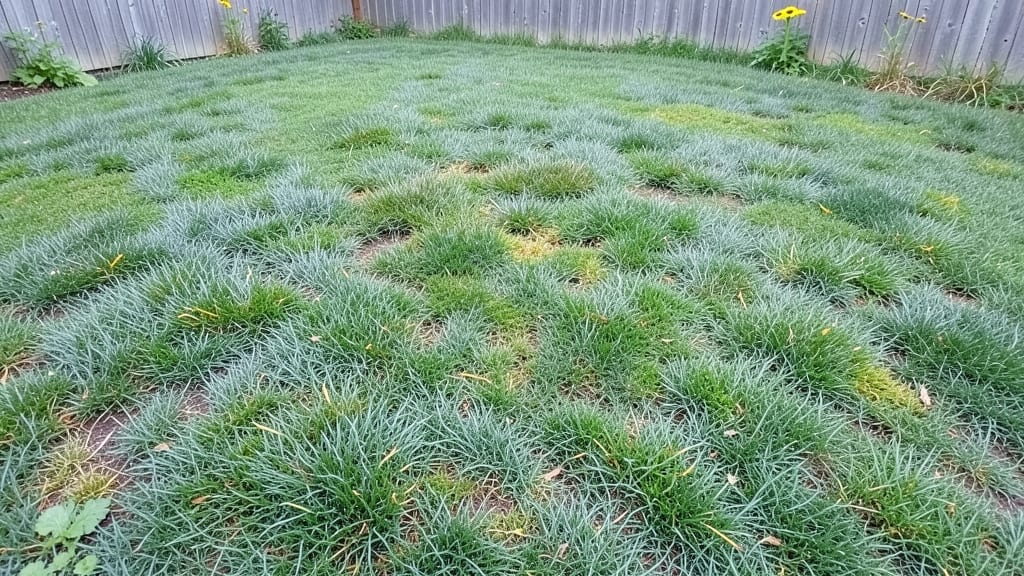
A 5000 square feet lawn is roughly the size of a standard basketball court (94x50 feet) or about half the length of a football field’s width (53.3x91 feet). It fits comfortably in a medium-sized suburban backyard, offering ample space for landscaping, gardening, or outdoor activities.
Imagine a space large enough to host a backyard basketball game or a cozy garden party—this is what 5000 square feet delivers. That’s roughly 70 feet by 71 feet, giving you enough room for a small vegetable garden, a patio area, or even a putting green.
For perspective, it’s also about the size of five standard parking spaces lined up end-to-end, making it perfect for suburban homes looking to blend functionality with aesthetics. 🌿
This size is ideal for creating distinct zones—think a 20x20-foot flower bed, a 10-foot-wide pathway, or a dedicated area for kids to play.
Whether you’re planning a lush lawn, a pollinator garden, or an outdoor dining space, 5000 sq ft offers the flexibility to design something both practical and visually appealing. The key is balancing open space with structured elements to avoid it feeling overwhelming.
💡 In This Article
- Visualizing 5000 Square Feet Lawn Dimensions
- Landscaping and Gardening Ideas for 5000 Sq Ft Lawns
Visualizing 5000 square feet lawn dimensions
A 5000 square foot lawn isn't just a number—it's a tangible space with measurable dimensions. When laid out as a perfect square, it measures about 70.7 feet on each side (since √5000 ≈ 70.7).
But lawns rarely follow perfect geometry, so more common rectangular configurations include 50x100 feet or 75x66.7 feet, both offering the same total area. These dimensions translate to roughly 0.115 acres, which is about 1/9th of a standard suburban acre.
The linear dimensions become more intuitive when compared to everyday objects. A standard Olympic-sized swimming pool measures 50x25 meters (164x82 feet), meaning your 5000 sq ft lawn would fit alongside half of it.
Similarly, a tennis court spans 78x36 feet, so you could fit about 1.8 tennis courts in this space. For sports enthusiasts, this is roughly the area of a small soccer field's penalty box (18x44 yards = 54x132 feet).
Urban comparisons help too: a standard parking space measures 9x18 feet, so 5000 sq ft could accommodate about 31 parking spaces in a grid layout. This makes it perfect for suburban homes where driveway space is limited but outdoor functionality is a priority.
The key here is understanding how these dimensions translate into usable space for activities like gardening, outdoor dining, or children's play areas.
For landscaping purposes, 5000 sq ft allows for creative zoning. You could dedicate 2500 sq ft to lawn space, 1000 sq ft to garden beds, and 1500 sq ft to pathways or patios. This balance ensures your outdoor area remains functional while providing visual interest.
The perimeter length varies dramatically based on shape—50x100 feet gives you 300 feet of border, while a square layout offers 283 feet, which can influence fencing, irrigation, or landscaping material costs.
What most people don't realize is how this space converts to practical measurements for planting. A 5000 sq ft lawn could support approximately 50 mature trees spaced 10 feet apart, or 250 shrubs in a 5x5 feet grid.
For turfgrass, this equals roughly 100 pounds of seed (assuming 10 lbs per 1000 sq ft coverage). The square footage directly impacts irrigation needs too—5000 sq ft requires about 1000 gallons of water per week during dry seasons for healthy grass.
Consider this: if you divided your 5000 sq ft into four equal sections, each would be 1250 sq ft—enough space for a small vegetable garden, a fire pit area, a children's play zone, and a relaxation patio.
The versatility comes from understanding how these dimensions interact with your specific needs. Whether you're planning a sports area, a pollinator garden, or a low-maintenance xeriscape, the 5000 sq ft framework gives you the foundation to design something truly functional.