
Lawn
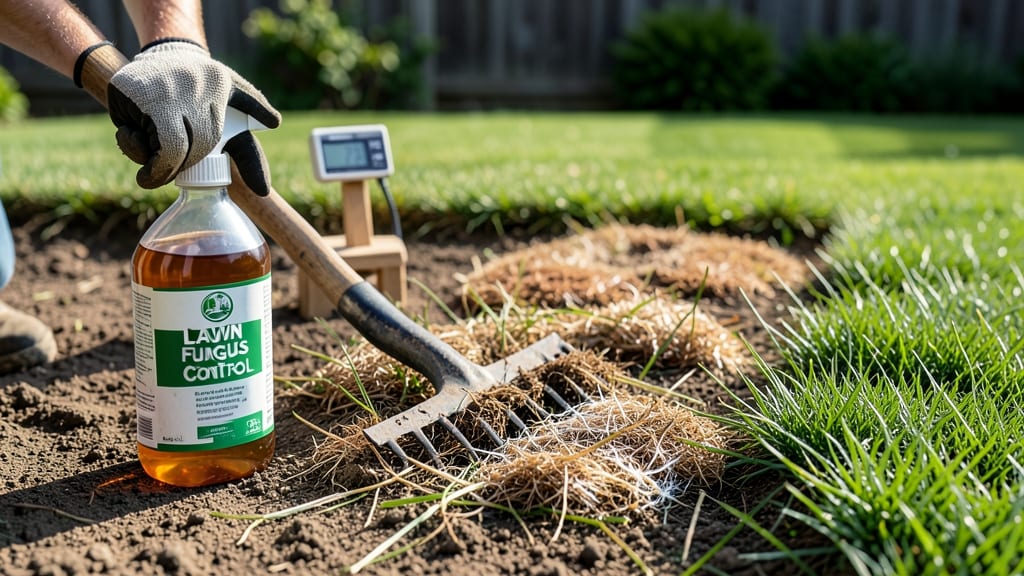
That hard fungus in your lawn isn't just ugly—it's stealing your grass's life. 🌱 I've seen it turn vibrant lawns into patchy, spongy messes, but here's the secret weapon: boiling water spot-treatments that work in hours, not weeks. The key is acting fast before it spreads beyond control.
Most lawn fungus thrives when soil stays too wet, whether from overwatering, poor drainage, or heavy shade. I learned the hard way that waiting too long means digging up dead grass—so I now tackle it at the first sign of those stubborn, hardened patches.
The boiling water method kills fungal spores on contact without harsh chemicals.
You'll see results within 24 hours: the hardened spots soften, new grass starts regrowing, and your lawn goes from sad to shockingly lush again. The best part? No fungicides, no waiting for rain—just heat and patience. We'll cover exactly how to do it safely without scalding your grass.
Works for dollar spot, brown patch, and even those annoying mushroom rings. Here's how to make it work for your lawn—no matter how bad it looks right now.
Root Causes of Stubborn Lawn Fungus
If your lawn is battling hard fungus, understanding the why behind it is half the battle. Fungal growth isn’t just random—it thrives under specific conditions, often tied to environmental stress, poor lawn care, or even hidden soil issues.
Below, we break down the key reasons your grass might be fighting an invisible enemy, and why it’s so stubborn to treat.
Fungi love moisture—too much of it, in fact. When your lawn stays soggy for long periods, you’re creating the perfect breeding ground for hard fungi like Rhizoctonia or Dollar Spot. Here’s how it happens:
- Excessive irrigation: Watering daily (especially in the evening) prevents soil from drying, giving fungi a constant water supply.
- Compacted or clay soil: These soils repel water, leading to puddles and waterlogged patches where fungi spread unchecked.
- Poor drainage systems: If your yard slopes toward a foundation or lacks French drains, water pools in low spots, inviting fungal growth.
Actionable fix: Water deeply but infrequently—early morning is best—to let grass blades dry quickly. Aerate compacted soil to improve airflow and drainage.
Thatch—a layer of dead grass, roots, and debris between soil and green blades—can trap moisture and block sunlight, creating a cozy hideout for fungi. When thatch exceeds ½ inch thick, it becomes a fungal highway.
- Why it happens: Heavy grass clippings, infrequent mowing, or using high-nitrogen fertilizers (which promote top growth over root health) accelerate thatch accumulation.
- Fungal favorites: Thatch traps spores from Brown Patch or Fairy Ring fungi, letting them spread undetected.
Actionable fix: Dethatch in early fall or spring using a rake or vertical mower. Avoid leaving clippings on the lawn after mowing to reduce organic buildup.
Fungi don’t just appear—they exploit weakened grass. When summer heat or humidity stresses your lawn, it becomes an easy target. Here’s how:
- Heat shock: Temperatures above 85°F (29°C) for prolonged periods weaken grass roots, making them vulnerable to Necrotic Ring Spot or Powdery Mildew.
- Humidity + shade: Shady, damp areas (like under trees) create a microclimate where fungi like Slime Mold thrive year-round.
- Drought followed by rain: Sudden watering after dry spells shocks grass, leaving it defenseless against fungal invaders.
Actionable fix: Adjust mowing height to 3–4 inches in summer to retain moisture. Water deeply before heatwaves hit, and prune overhanging branches to improve airflow.
A lawn starving for nutrients or choked with imbalances is like an open invitation to fungi. Here’s the science:
- Low nitrogen: Weakens grass, making it easier for Red Thread or Gray Leaf Spot to take hold.
- High phosphorus/potassium: While essential, excess P/K can promote fungal growth by altering soil pH and microbial activity.
- Soil pH extremes: Fungi prefer slightly acidic to neutral soil (pH 6.0–7.0). If your soil is too alkaline (>7.5) or acidic (<5.5), it disrupts beneficial microbes that suppress fungi.
Actionable fix: Test your soil annually and amend with compost or a balanced fertilizer (e.g., 16-4-8). Lime (to raise pH) or sulfur (to lower it) can restore microbial balance.
Anything that tears open your grass—from foot traffic to equipment—creates entry points for fungal spores. Common culprits:
- Foot traffic: High-use areas (like dog runs or play zones) compact soil and damage roots, inviting Necrotic Ring Spot.
- Heavy equipment: Mowers, aerators, or even sprinkler heads can tear grass, leaving wounds for Rhizoctonia to infect.
- Animal waste: Urine or feces alter soil pH and introduce fungal spores, triggering Fairy Ring or Slime Mold.
Actionable fix: Reduce foot traffic on infected areas. Repair damaged spots with sand top-dressing and overseed bare patches in fall.
How to Fix Stubborn Lawn Fungus
Tackling hard fungus in your lawn doesn’t have to be a battle against an invisible enemy—with the right approach, you can reclaim a lush, healthy yard.
Below are targeted solutions for the most common causes of tough fungal growth, paired with easy-to-follow fixes and prevention tips to keep your grass thriving.
Fungal spores thrive in soggy conditions, so if your lawn stays damp for too long, it’s an open invitation for hard fungus. Here’s how to dry it out and stop the spread:
- 🍳 Reduce Watering Immediately Water deeply 2-3 times per week (early morning is best) instead of daily light sprinkles. Aim for 1–1.5 inches per session—let the top 2–3 inches of soil dry between waterings.
- 👨🍳 Improve Drainage If water pools after rain, your lawn may need help. Aerate in fall or spring to loosen compacted soil, or add sand or compost to heavy clay areas. For severe cases, consider French drains or swales (shallow trenches) to redirect water.
- 🥘 Spot-Treat with Boiling Water For stubborn patches, pour boiling water directly on the affected area (wear gloves!). The heat kills spores on contact. Repeat weekly until the fungus fades.
💡 Pro Tip: Install a rain gauge to monitor moisture levels—overwatering is the #1 fungal fuel!
Thick thatch (the layer between grass and soil) traps moisture and blocks airflow, creating the perfect fungal buffet. Here’s how to thin it out:
- ✂️ Mow High & Leave Clippings Set your mower to 3–4 inches in summer to shade the soil and reduce stress. Bag clippings if fungus is severe to remove spores.
- 🔪 Dethatch or Verticut Rent a dethatching rake or verticut mower to slice through thatch (do this in early fall or spring). Avoid overdoing it—remove only the top ½ inch to avoid damaging roots.
- 🎯 Apply a Light Fungicide Use a natural fungicide (like neem oil or baking soda spray) for mild cases. For tough spots, a copper-based fungicide (follow label rates) can help.
✨ Prevention Hack: Overseed bare patches in fall with disease-resistant grass varieties (like tall fescue or Kentucky bluegrass) to crowd out fungus.
Fungal spores love stagnant air and compacted soil. Break up the barrier with these steps:
- 🏃♂️ Aerate Aggressively Rent a core aerator (the kind that pulls out soil plugs) and go over the lawn in a grid pattern. Do this in fall or early spring when grass is actively growing.
- 🌱 Top-Dress with Sand or Compost After aerating, spread a ¼-inch layer of sand or compost over the lawn and lightly rake in. This improves airflow and breaks up compaction.
- 🌿 Encourage Microbial Activity Spread beneficial microbes (like Trichoderma fungi) or a mycorrhizal inoculant to outcompete harmful spores naturally.
💡 Pro Tip: Walk on wooden planks instead of trampling grass—compacted paths are fungus hotspots!
A weak lawn is an easy target for fungus. Balance nutrients to strengthen grass defenses:
- 💪 Fertilize in Stages Apply a slow-release, low-nitrogen fertilizer (like a 16-4-8 blend) in early fall to boost root growth. Avoid high-nitrogen fertilizers in summer—they promote weak, fungus-prone growth.
- 🥗 Add Organic Matter Spread compost or aged manure in fall to improve soil health. Aim for ¼ pound per 100 sq. ft. and lightly rake in.
- 🍎 Test Your Soil Use a DIY soil test kit to check pH and nutrient levels. Most lawns need a pH of 6.0–7.0. Adjust with lime (to raise pH) or sulfur (to lower pH) as needed.
🎯 Long-Term Fix: Plant clover or microclover in thin areas—it fixes nitrogen and crowds out fungus!
If natural methods fail, fungicides can be effective—but use them strategically:
- 🔪 Choose the Right Fungicide
- For dollar spot or brown patch: Propiconazole or azoxystrobin (follow label rates).
- For rust or leaf spot: Chlorothalonil (broad-spectrum but strong—use as a last resort).
- 📅 Apply at the Right Time Treat at dawn or dusk when humidity is high (fungicides work best when wet). Reapply every 7–14 days until the fungus clears.
- 🛡️ Protect Yourself & Pets Wear gloves and a mask, and keep pets/kids off the lawn for 24–48 hours after application.
⚠️ Warning: Overusing chemicals can harm beneficial microbes—rotate with natural methods for long-term health.
Final Thought: The key to beating hard fungus is prevention + quick action. Start with water adjustments, aeration, and proper mowing, then reinforce with soil health and targeted treatments. Your lawn will bounce back—lush and fungus-free!
Frequently asked questions
Why does boiling water kill lawn fungus but not harm the grass?
Boiling water targets fungal spores on the surface—heat kills them instantly, while healthy grass roots below the soil stay protected. The key is precision: pour small amounts directly on hardened patches (not entire lawns) and avoid over-saturating. Grass recovers faster than fungus does from heat treatment!
How do I know if my lawn has hard fungus or just dead grass?
Fungal patches often have distinct edges, discolored rings, or a spongy texture when stepped on. Dead grass usually looks uniformly brown and dry. Dig up a small section—if you see white mycelium threads or mushroom clusters, it's fungus. For uncertain cases, test with a soil probe for moisture levels.
Can I use vinegar to treat hard fungus in my lawn?
Vinegar (acetic acid) can help in small doses, but it's risky for grass. A 1:1 vinegar-water mix may kill fungus, but it can also burn healthy grass. For spot treatments, use 1 cup white vinegar + 1 gallon water and apply carefully. Better options: neem oil or baking soda spray for organic control. Always test a small area first!
How often should I aerate my lawn to prevent fungal regrowth?
Aerate once per year in fall or spring for most lawns, but high-traffic areas may need twice-yearly treatment. Focus on compacted spots where water pools. After aerating, top-dress with compost to improve soil structure. This breaks up fungal highways and boosts grass resilience. Pro tip: Aerate when soil is moist (not soggy) for best results.
Will my lawn ever fully recover from severe hard fungus?
Yes! With proper care, most lawns recover within 3-6 months. Start by removing dead patches, aerating, and overseeding with disease-resistant grass. Combine this with proper watering and soil amendments. Even heavily damaged lawns can regrow if you address the root causes. Patience is key—healthy grass outcompetes fungus over time!