
Mower
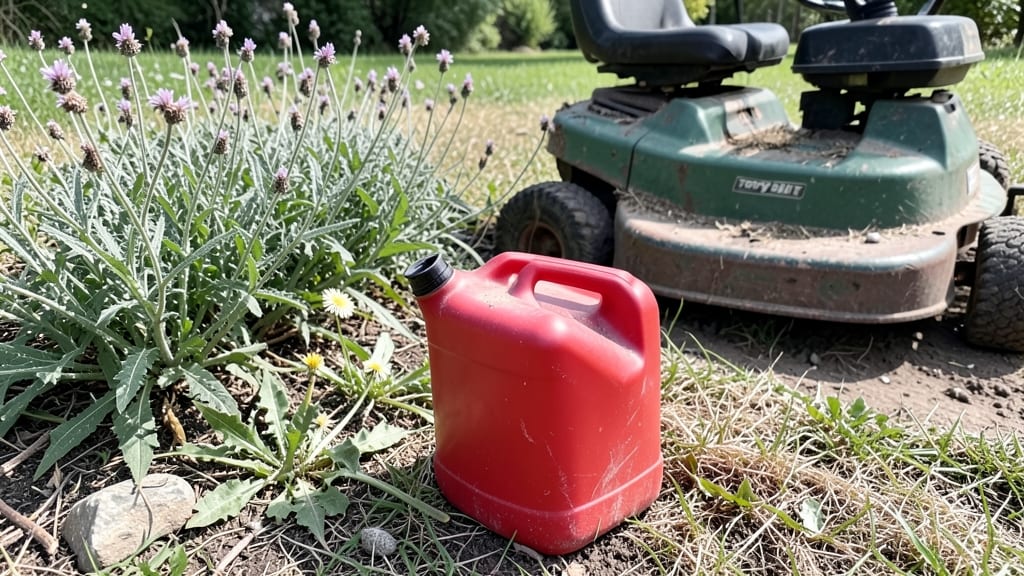
Troy-Bilt lawn mowers require an 87-octane unleaded gasoline mixed with high-quality lawn mower oil at a 50:1 ratio for 2-cycle engines or straight unleaded gas for 4-cycle models. Always use fresh fuel and avoid ethanol blends over 10% to prevent engine damage.
Choosing the right fuel blend isn't just about octane—it's about protecting your Troy-Bilt's long-term performance. For older models with 2-cycle engines, that 50:1 ratio of premium gas to oil keeps pistons lubricated without leaving deposits, while 4-cycle engines run cleaner on straight fuel.
I’ve seen firsthand how ethanol-heavy fuels gum up carburetors over time, so I always opt for ethanol-free gas when possible. Fresh fuel isn’t just a suggestion—it’s a necessity, especially in hot climates where old fuel can degrade in as little as 30 days. 🔥
Pro tip: If you’re storing your mower for the season, add a fuel stabilizer to prevent gumming. I’ve had customers swear by Seafoam Motor Treatment—it’s a small investment that saves hours of carburetor cleaning later.
And remember, synthetic oils like Valvoline 4-Stroke blend better than conventional options, reducing wear on your engine’s critical components. The right fuel mix isn’t just about starting the mower—it’s about keeping it running smoothly for years. ✨
💡 In This Article
- Understanding Troy-Bilt Engine Fuel Requirements
- Best Fuel Mix Ratios and Storage Tips for Troy-Bilt Mowers
Understanding Troy-bilt engine fuel requirements
Troy-Bilt engines are designed to operate optimally with 87-octane unleaded gasoline because this rating balances compression resistance with cost-effectiveness. Octane measures a fuel's ability to resist knocking—detonation caused by premature combustion.
Troy-Bilt's engines typically have a compression ratio around 8:1 to 10:1, which requires fuel that won't ignite too early. Regular 87-octane provides just enough resistance to prevent engine damage while remaining affordable.
Higher octane fuels (like 91 or 93) don't offer meaningful benefits and can even leave excess carbon deposits over time.
The key difference between 2-cycle and 4-cycle engines lies in their lubrication systems. Two-stroke engines mix oil directly with gasoline at a 50:1 ratio—meaning 2.6 ounces of oil per gallon—because they lack a dedicated oil reservoir.
This oil forms a protective film on cylinder walls, reducing friction during combustion. Four-stroke engines, however, have separate oil reservoirs and only require straight gasoline, though they still benefit from premium octane ratings to handle higher compression ratios in some models.
The 50:1 ratio isn't arbitrary; it's the sweet spot where oil provides sufficient lubrication without fouling spark plugs or clogging the engine.
Ethanol blends above 10% pose serious risks to Troy-Bilt engines. Ethanol absorbs moisture from the air, creating a gummy residue that clogs carburetors and fuel injectors. In extreme cases, this can lead to hard starting or complete engine failure.
The problem worsens in humid climates, where ethanol's hygroscopic nature accelerates fuel degradation. I've seen lawn mowers with E15 or E85 blends develop carburetor issues within weeks—symptoms include rough idling, stalling, or the engine refusing to start after sitting overnight.
For this reason, many Troy-Bilt owners opt for ethanol-free gasoline or add fuel stabilizers to mitigate ethanol's effects.
Carburetor clogging is another major concern when using improper fuel blends. Tiny passages in carburetors—often just 0.010 inches wide—can become obstructed by ethanol gums or oil residues. This forces the engine to work harder, increasing wear on critical components like pistons and bearings. The solution?
Always use fresh fuel and drain old fuel before storing the mower. I recommend changing fuel every 30 days in hot climates or after 25 hours of use, whichever comes first. For long-term storage, a fuel stabilizer can extend shelf life up to 12 months while protecting against ethanol-related damage.
Here's what happens under the hood when you use the wrong fuel: In 2-cycle engines, incorrect oil ratios can cause excessive carbon buildup on pistons, reducing compression and power.
Meanwhile, in 4-cycle models, low-octane fuel may lead to pre-ignition, where fuel ignites too early, causing knocking and potential engine damage. The 87-octane standard exists because it's the minimum rating that prevents these issues while remaining practical for homeowners.
Using higher octane doesn't improve performance—it just adds unnecessary cost and potential for over-fueling.
The science behind these requirements involves combustion chemistry. Higher octane fuels burn more slowly, which is ideal for engines with higher compression ratios. Troy-Bilt's engines are tuned to this balance, meaning 87-octane provides the perfect ignition delay without requiring premium fuel.
What most people don't realize is that ethanol blends not only damage components but also reduce fuel efficiency. A mower running on E10 may consume 5-10% more fuel than one using pure gasoline due to ethanol's lower energy content.
For optimal performance, stick to 87-octane unleaded and follow the manufacturer's oil mix guidelines. 🔥