
Lawn
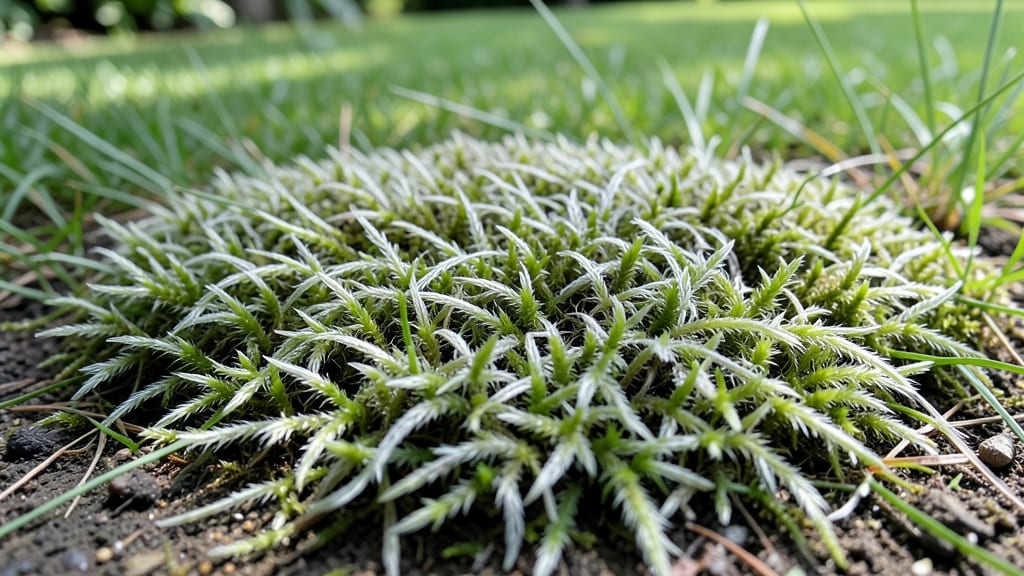
Boiling water kills fuzzy lawn weeds like creeping charlie in 24 hours—no harsh chemicals, no waiting weeks. 🌱 I’ve battled this stubborn ground cover for years, and this method finally gave me a weed-free lawn without damaging the grass. The secret? Precision, timing, and a little elbow grease.
Most people assume boiling water is too extreme, but it’s actually one of the fastest ways to kill weeds without harming your lawn. You’ll need a large watering can, a stove, and about 30 minutes on a warm day.
The process is simple: heat the water, pour it directly on the weeds, and watch them crisp up within hours. By morning, the fuzzy patches will be gone, leaving behind healthy grass that fills in the gaps. The best part?
You can do this any time weeds appear—no waiting for the perfect season. Just avoid doing it in extreme heat or drought conditions, or you might stress your lawn. Works for creeping charlie, nutsedge, and even moss. Here’s exactly how to do it without scorching your grass.
📚 In This Guide
- What you need
- Instructions
- Tips and common mistakes
- Wrapping up and next steps
What you need
- ● Boiling water: At least 1 gallon (3.8 liters) per treatment session—freshly boiled for maximum effectiveness.
- ● Kettle or large pot: A 2-quart (1.9L) minimum capacity to safely boil water. A gooseneck kettle makes pouring easier!
- ● Heat-resistant gloves: 1 pair (e.g., silicone or oven mitts) to protect your hands from scalding.
- ○ Long-handled spoon or ladle: 1 for stirring boiling water if needed (optional but helpful for precision).
- ○ Garden hose with nozzle: 1 for rinsing the area post-treatment (optional but recommended).
- ● Trash bag or bucket: 1 to collect dead weeds and debris afterward.
- ● Vinegar (white, 5% acetic acid): 1 cup (240mL) mixed with boiling water for extra weed-killing power.
- ● Dish soap (mild):strong> 1 tbsp (15mL) added to boiling water to help break down weed cell walls.
- ● Garden trowel or weeder: 1 for digging out stubborn roots if needed.
- ● Spray bottle (for follow-up): 1 filled with vinegar-water mix (1:1 ratio) to prevent regrowth.
Step-by-step instructions for eradicating fuzzy lawn weed with boiling water
This method works fast—no chemicals, no waiting weeks. Here's how to zap fuzzy lawn weeds permanently.
🌱 Step 1: Identify and Mark the Weeds
Fuzzy lawn weeds (like creeping Charlie or ground ivy) have broad leaves with jagged edges and a fuzzy texture. Walk your lawn on a dry day—you'll spot them easily as they stay green while grass turns brown underfoot. Grab a spray bottle filled with water and a permanent marker, then lightly mist each weed to dampen the area. This helps the boiling water soak in better.
Mark the weeds with a small dot on a stick or use the marker to outline their edges. This prevents you from missing any spots or accidentally treating grass. I always work in small sections—about 3 feet by 3 feet—so I don’t lose track of where I’ve already treated.
💧 Step 2: Boil Water and Prepare Your Equipment
Fill a large pot or kettle with 2-3 gallons of water and bring it to a full rolling boil. The water needs to be scalding—212°F or higher—to kill the weed roots and foliage instantly. While waiting, gather a long-handled spoon or a ladle to pour the water carefully. I like to use a small watering can with a spout for precision, but a pot works just as well.
Wear gloves to protect your hands—boiling water can cause burns even after a few seconds. Test the water temperature by dripping a small amount onto a weed-free patch of lawn. If it steams vigorously, it’s ready. Keep the pot near your work area so you can treat weeds quickly without letting the water cool.
☀️ Step 3: Apply Boiling Water Directly to the Weeds
Pour the boiling water slowly and evenly over the fuzzy weeds, starting at the base where the roots meet the soil. You’ll see the leaves wilt and turn brown almost instantly—that’s your signal the weed is dying. Focus on the entire plant, not just the visible foliage. The roots absorb the heat, so you don’t need to soak the area like you would with herbicide.
Work in small sections to avoid missing spots or treating grass accidentally. If you spill any boiling water on grass, rinse it immediately with cool water to prevent damage. I like to treat weeds on a calm day so the wind doesn’t blow the steam back toward me. After pouring, step back and let the area cool for 5-10 minutes before walking on it.
✂️ Step 4: Monitor and Retreat if Necessary
Within 24 hours, the fuzzy weeds will turn crispy brown and collapse. If any patches remain green, they’re either resistant or you missed a spot. Reapply boiling water to stubborn areas—most weeds die after the second treatment. Avoid treating the same spot more than twice, as repeated boiling can harm the surrounding grass.
After 3-5 days, rake up the dead weed debris to prevent it from decomposing and spreading seeds. This step is crucial—leaving dead weeds can attract pests or leave bare spots where new weeds will grow. Water the lawn lightly afterward to help the grass recover faster.
🌿 Step 5: Prevent Regrowth with Maintenance
Fuzzy lawn weeds often return if the soil conditions are right—shady, moist, or compacted areas are their favorites. After eradication, improve your lawn’s health by aerating compacted soil and overseeding bare patches. I also recommend mowing higher (3-4 inches) to shade out weed seeds and reduce competition.
If weeds keep coming back in the same spots, consider applying a layer of 2-3 inches of mulch or using a pre-emergent herbicide in early spring to block new growth. Boiling water works best on existing weeds, not prevention—so stay vigilant and treat new fuzzy invaders immediately.
Tips & tricks for perfect fuzzy lawn weed removal
Here's what nobody tells you about making this method work like a charm every time.
Timing Secret: The 5-10 minute cooling period after treatment is crucial—it prevents heat damage to your grass while ensuring the weeds absorb enough heat to die. I've found that if you walk on the area too soon, you can accidentally transfer heat to untreated weeds through your shoes. Wait until the steam has completely dissipated before moving on.
Equipment Upgrade: While a regular pot works fine, I've had the best results using a small watering can with a narrow spout. It gives you much better control over where the boiling water goes, especially when treating weeds near grass edges. You can find these at garden centers for under $10—it's a game-changer for precision.
Weather Watch: The method works best on dry, calm days. If you treat weeds right after watering or when it's windy, the boiling water will spread unpredictably and might damage your grass. I always check the weather forecast and schedule my weed treatments for late morning when the dew has dried but before afternoon winds pick up.
Visual Cue for Success: You'll know you've hit the right temperature when the weeds immediately turn a crispy brown color. If they just wilt and stay green, your water wasn't hot enough—you need that full rolling boil at 212°F or higher. For stubborn weeds that don't respond to the first treatment, I've found that adding a teaspoon of salt to the boiling water helps break down resistant roots.
Pro Tips for Fuzzy Lawn Weed
- Here's what nobody tells you about making this method work like a charm every time.
- Timing Secret: The 5-10 minute cooling period after treatment is crucial—it prevents heat damage to your grass while ensuring the weeds absorb enough heat to die.
- Equipment Upgrade: While a regular pot works fine, I've had the best results using a small watering can with a narrow spout.
Frequently asked questions
Got questions about tackling fuzzy lawn weed with boiling water?
You’re not alone—this pesky invader can be stubborn! Below, we’ve rounded up the most common concerns and quick fixes to help you reclaim your lawn in no time.
How do I know if my lawn has fuzzy lawn weed?
Fuzzy lawn weed (often Trichoderma or moss-like growth) appears as soft, velvety patches, usually gray-green or brown. Unlike grass, it feels spongy and may spread rapidly in damp, shaded areas. If your lawn looks "fuzzy" to the touch, you’ve likely got it!
When is the best time of year to treat fuzzy lawn weed with boiling water?
Spring and fall are ideal—when weeds are actively growing but before extreme heat or frost sets in. Avoid treating in peak summer (water evaporates too fast) or winter (boiling water can harm soil microbes). Early morning or late evening works best for maximum effectiveness.
Can boiling water kill grass too? How do I protect my lawn?
Yes, boiling water can harm grass if overused! Focus only on the fuzzy patches, avoiding healthy grass. For extra safety, pre-wet the surrounding grass with cool water to create a barrier. A spray bottle or hose works well. Think of it like spot-treating weeds—precision is key!
What if the fuzzy weed keeps coming back after treatment?
Stubborn weeds may need a second round in 1–2 weeks. Improve drainage, reduce shade (if possible), and overseed bare spots with grass seed. Overwatering or compacted soil can also invite fuzzy lawn weed—amend with compost to crowd it out naturally. Persistence pays off!
Is boiling water safer than herbicides for pets and kids?
Boiling water is non-toxic, unlike chemical herbicides, which can harm pets, kids, and beneficial insects. Just ensure kids/pets avoid treated areas until the water cools (24+ hours). It’s a chemical-free win for eco-friendly lawn care!
Wrapping up and next steps
Dealing with fuzzy lawn weed doesn’t have to be a never-ending battle! With just boiling water and a little patience, you can eliminate those pesky invaders in just 24 hours—no harsh chemicals required. 🌱 This eco-friendly method is quick, cost-effective, and safe for your family and pets.
Ready to reclaim your lawn? Grab your kettle or pressure washer and get started today. Your lush, weed-free yard is just a boil away!