
Lawn
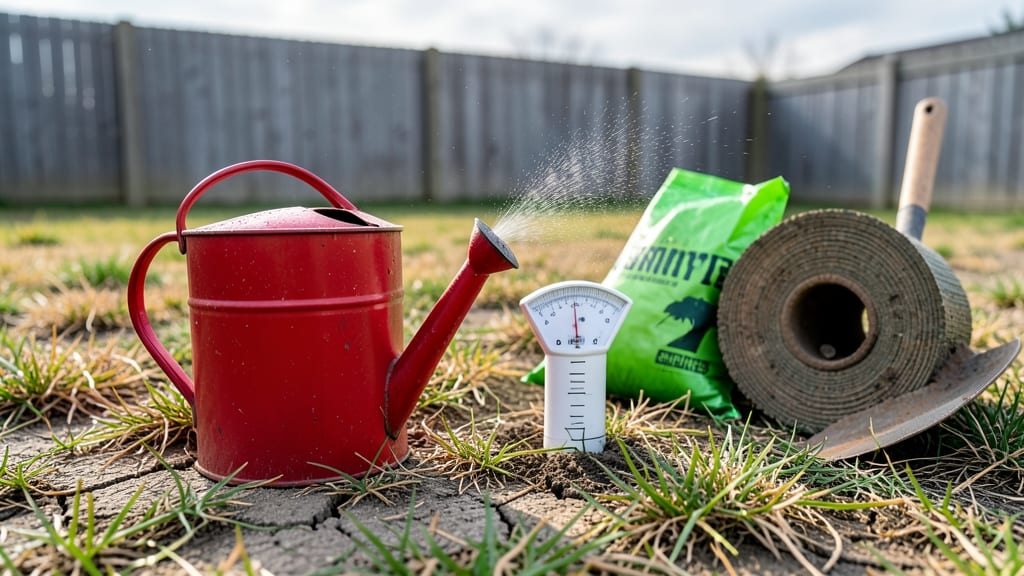
You can fix a burnt lawn faster than you think—a vinegar rinse revival works in just 24 hours. 🌱 I’ve seen brown patches turn green again using this simple trick, whether the damage came from drought, over-fertilizing, or even pet urine.
The key is acting fast and avoiding common mistakes that make things worse. First, stop watering—soggy soil locks out oxygen and slows recovery. Instead, give the lawn a light rinse with a 1:10 vinegar-to-water mix to neutralize harsh chemicals. Then, keep foot traffic off until new growth appears.
Most lawns show noticeable improvement within 3-5 days if you follow these steps. By the end of the week, you’ll have a lawn that looks like it never had a problem.
The secret is patience and the right aftercare: mow high (3-4 inches) to shade roots, and avoid fertilizing until the grass is fully recovered. This method works for Kentucky bluegrass, fescue, and Bermuda—just adjust watering based on your climate. For severe damage, soil testing helps prevent future burns.
Let’s get that lawn back to its best!
The Hidden Causes Behind Lawn Burns
Your once-lush lawn now looks like a crispy, sad memory—🔥 but why did it happen? Understanding the root causes is the first step to revival. Let’s break down the science (and the mistakes) behind a burnt lawn, so you can avoid repeating them.
Watering your lawn is like Goldilocks’ porridge—too much or too little, and you’re in trouble. Here’s the science:
- Drought Stress: If you’ve been away for a week or forgot to water during a heatwave, grass roots can dry out and die. Without moisture, chlorophyll production stops, turning blades brown or white. Think of it like wilting lettuce—no water = no life.
- Overwatering (Yes, It’s a Thing!): Too much water suffocates roots by displacing oxygen in the soil. This leads to anaerobic conditions, where microbes and fungi thrive, rotting roots and causing patchy die-off. Plus, excess water washes away nutrients, leaving grass starving.
- Timing Matters: Watering late in the day (after 6 PM) leaves grass blades wet overnight, increasing the risk of fungal infections like brown patch or dollar spot. Morning watering (before 10 AM) is ideal—grass dries quickly, reducing disease.
💡 Pro Tip: Aim for 1–1.5 inches of water per week (including rain). Use a rain gauge or tuna can to measure—your sprinkler might be lying to you!
Lawn care products are powerful—sometimes too powerful. Here’s how they turn your grass into a science experiment gone wrong:
| Cause | What Happens | How to Spot It |
|---|---|---|
| Too Much Fertilizer (especially nitrogen-heavy) | Excess nitrogen burns root tips, halting growth. Salt in fertilizers draws moisture out of grass cells (osmotic shock), causing dehydration. | Yellowing or white-tipped blades, crispy edges, soil crusting. |
| Herbicide Spill-Over | Non-selective herbicides (like glyphosate) kill all green plants, including grass. Even "grass-specific" herbicides can burn if misapplied. | Uniform browning, wilting, or blackened patches. |
| Salt Damage (from ice melt, well water, or over-salting) | Salt disrupts cellular function, causing dehydration and nutrient imbalance. It also kills soil microbes, breaking down organic matter. | Brown, straw-like grass with crispy edges; soil may look white or crusty. |
🔥 Avoid It: Always follow label rates and water before applying fertilizer/herbicide to dilute chemicals. If using well water, test for sodium levels—aim for <100 ppm.
Grass isn’t just burnt by water or chemicals—it can also get sunburned. Here’s how:
- Intense Heat Waves: Temperatures above 90°F (32°C) for days cause grass to lose moisture faster than roots can replace it. This triggers oxidative stress, where cells produce harmful free radicals, damaging membranes and turning blades grayish-white.
- Reflective Surfaces: Driveways, sidewalks, and even light-colored mulch reflect heat (up to 50°F hotter than surrounding areas), creating a "heat dome" that cooks grass underneath.
- Thin or Weak Grass: Newly seeded lawns, thin turf, or grass recovering from disease are more vulnerable to heat stress. Think of it like a sunburn on pale skin—it happens faster.
🌡️ Protect Your Lawn:
- Water deeply 2–3 times per week (early morning) to encourage deep roots.
- Mow higher in summer (3–4 inches) to shade roots and retain moisture.
- Avoid foot traffic during heatwaves—grass recovers faster when undisturbed.
Sometimes, the damage comes from you. Here’s how mowers, shoes, and even pets can turn your lawn into a war zone:
- Scalping (Cutting Too Short): Mowing below 1.5 inches removes the leaf blade’s food-producing part, starving the grass. It also exposes roots to heat and drought, causing stress.
- Blunt Mower Blades: Dull blades tear grass instead of cleanly cutting it, creating ragged edges that dry out faster and invite disease.
- Heavy Foot Traffic: Compacted soil reduces oxygen to roots, while treading on blades crushes cell walls, leading to brown patches.
- Equipment Burns: Hot exhaust pipes, ATVs, or even barbecue grills can leave permanent brown scars where grass cells are cooked.
✨ Fix It Now:
- Mow with sharp blades and never remove more than 1/3 of the blade height at once.
- Use a lawn roller or aerate to relieve compaction.
- Designate walkways to reduce foot traffic on open grass.
Now that you know why your lawn turned into a crispy disaster, the next step is revival—and the good news? Vinegar isn’t just for cleaning. Stay tuned for our 24-hour fix to bring your lawn back to life! 🌱
Reviving Your Lawn After Damage
A burnt lawn can feel like a lost cause, but with the right steps, you can nurse it back to health—often faster than you’d expect. The key is acting quickly, identifying the root cause, and applying targeted fixes.
Below, we break down solutions tailored to the most common culprits behind lawn damage, from overzealous mowing to harsh chemicals. Each method is designed to be practical, cost-effective, and easy to execute, even for beginners.
If your lawn looks like a soggy sponge, the issue is likely overwatering or poor drainage. Too much water suffocates grass roots, turning vibrant green into a sad, brown sludge.
How to Revive It:
- 🌧️ Stop Watering Immediately
- Let the soil dry out completely before resuming watering. Overwatering is a common mistake—grass needs less water than most people think!
- 🔪 Aerate the Soil
- Rent a core aerator or use a garden fork to poke holes (3–4 inches deep) every 6 inches. This helps air and water penetrate the compacted soil.
- ⏰ Gradual Rehydration
- Once dry, water deeply once a week (early morning) for 15–20 minutes per session. Avoid light, frequent watering—it encourages shallow roots.
- 🌱 Overseed Bare Spots
- Sprinkle grass seed over thin or dead patches. Use a starter fertilizer to give new growth a boost.
💡 Pro Tip: If your lawn stays waterlogged for days, consider sand topdressing (a thin layer of coarse sand) to improve drainage long-term.
Did you recently apply too much fertilizer, herbicide, or vinegar? Chemical burns leave yellow or white patches that look like a science experiment gone wrong.
How to Revive It:
- 🚿 Rinse with Water (Vinegar-Specific Fix)
- If vinegar was the culprit, dilute it with water (1:3 ratio) and lightly spray the burnt areas. This neutralizes the acid and washes away residues.
- 🌿 Apply a Cool-Season Grass Seed Mix
- For fertilizer burns, avoid reseeding immediately—wait until new growth appears (usually 1–2 weeks). Then, overseed with a shade-tolerant or drought-resistant variety like fescue or ryegrass.
- 💊 Use a Soil Conditioner
- Mix compost or peat moss into the top 1–2 inches of soil to dilute harmful chemicals and improve nutrient absorption.
- 🚫 Avoid Further Chemicals
- Skip fertilizers or herbicides for at least 4–6 weeks to let the lawn recover.
✨ Quick Fix: A baking soda solution (1 tbsp per gallon of water) can help neutralize excess acidity from vinegar or over-fertilization.
Heatwaves and drought turn lawns into crispy, brown wastelands. But with the right care, you can coax life back.
How to Revive It:
- 💦 Deep Watering (Not Sprinkling!)
- Water 1–1.5 inches per week, splitting it into two sessions (morning and evening). Deep watering encourages roots to grow downward.
- 🌱 Overseed with Drought-Resistant Grass
- Choose Bermuda, Zoysia, or Buffalo grass if you’re in a hot climate. For cooler areas, tall fescue holds up well.
- 🍂 Mulch with Grass Clippings
- Leave clippings after mowing—they act as a natural mulch, retaining moisture and shading the soil.
- 🌿 Adjust Mowing Height
- Raise your mower blade to 3–4 inches to protect roots from heat stress.
🎯 Long-Term Prevention:
- Install drip irrigation or soaker hoses for efficient watering.
- Plant shade-tolerant ground covers (like clover) in sunbaked areas.
Chewing critters (deer, rabbits, grubs) or dog urine burns can leave patchy, uneven lawns. The solution? Targeted repair + deterrents.
How to Revive It:
- 🐕 Neutralize Dog Urine Spots
- Dilute 1 part white vinegar to 3 parts water and spray affected areas. Follow up with overseeding and a low-nitrogen fertilizer.
- 🐜 Treat Grub Infestations
- Apply beneficial nematodes or milky spore to kill grubs naturally. Re-seed bare spots afterward.
- 🦌 Protect from Wildlife
- Use chicken wire barriers or repellent sprays (like hot pepper wax) around high-traffic areas.
- 🌱 Patch with Sod or Seed
- For large bare patches, sod is fastest (2–3 weeks for full rooting). For smaller areas, seed + straw mulch works well.
🔥 Hot Fix: A corn gluten meal application in early spring can prevent weeds and grubs naturally.
No matter the damage, these universal steps speed up revival:
- 🌿 Mow High – Never cut more than 1/3 of the grass blade at once. Keep it at 3–4 inches during recovery. - 💪 Avoid Foot Traffic – Let new growth establish without trampling. - 🌱 Test Soil pH – Ideal lawn pH is 6.0–7.0.
Adjust with lime (to raise) or sulfur (to lower) if needed. - 🍃 Feed Lightly – Use a starter fertilizer (high phosphorus) for new seed, not a heavy nitrogen boost.
⏳ Timeframe for Revival:
| Damage Type | Recovery Time | Best Action |
|---|---|---|
| Overwatering | 2–4 weeks | Aerate + deep watering |
| Chemical Burn | 3–6 weeks | Rinse + overseed |
| Sun/Drought | 4–8 weeks | Deep water + shade adjustments |
| Pet/Pest Damage | 2–3 weeks (sod) / 6 wks (seed) | Neutralize + protect |
Frequently asked questions
How quickly can I expect to see results after using the vinegar rinse method?
Most lawns show noticeable improvement within 3-5 days if the damage is mild. For severely burnt areas, you may see new green growth in 7-10 days. The key is consistency—apply the vinegar rinse every 2-3 days for the first week while keeping foot traffic off the affected areas.
Is vinegar safe for all types of grass?
White vinegar is generally safe for most grass types when used properly, but it's best for cool-season grasses like Kentucky bluegrass and fescue. Warm-season grasses (like Bermuda) may recover more slowly. Always use a 1:10 vinegar-to-water ratio and avoid applying it during extreme heat or drought.
What's the difference between a burnt lawn and a dry lawn?
A burnt lawn has crispy, brown patches that often feel brittle to the touch, while a dry lawn appears dull but can still spring back when watered. Burnt grass typically has white or grayish tips and may have a chemical smell if caused by fertilizers or herbicides. Dry grass usually just needs water and will green up within 24-48 hours.
Can I use this method if my lawn has pet urine burns?
Yes! The vinegar rinse works well for pet urine burns because it helps neutralize the concentrated ammonia. After rinsing, follow up with a low-nitrogen fertilizer and overseed the area. For severe cases, consider applying a thin layer of compost to help recovery. Always dilute pet urine spots immediately when you notice them.
When should I call a professional instead of trying this DIY fix?
Consider professional help if:
- more than 50% of your lawn is dead,
- you suspect herbicide poisoning (like glyphosate), or
- your soil is severely compacted. Also call if you've tried the vinegar method for 2 weeks with no improvement, as this may indicate deeper soil issues requiring soil testing or aeration.