
Lawn
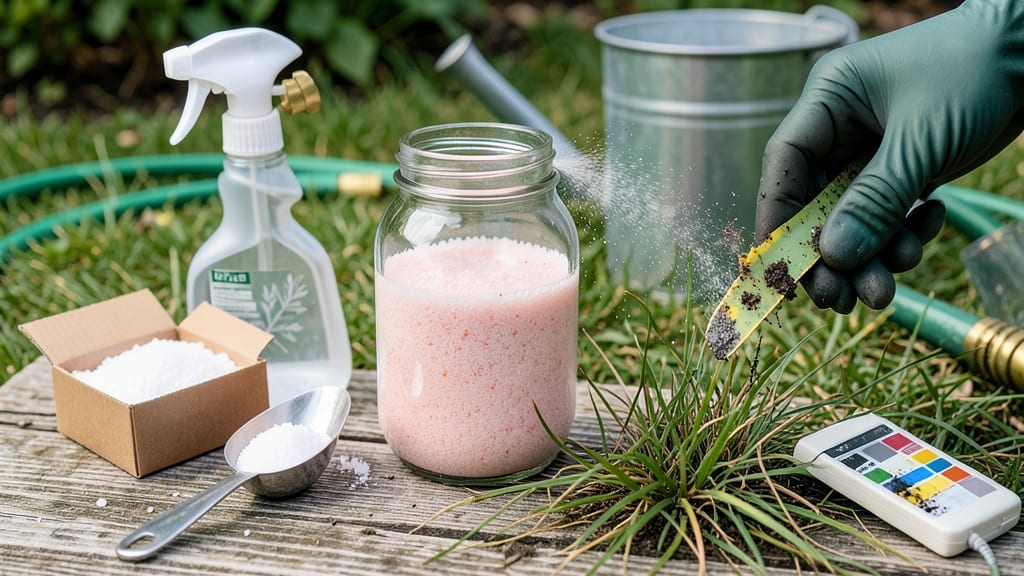
When your lawn looks more like the fungal buffet than a lush green carpet, the Epsom salt for lawn fungus might be your secret weapon. 🌱 I’ve seen it transform patchy, browned grass into vibrant green in just a few weeks—no harsh chemicals needed.
The science is simple: magnesium deficiency makes grass more susceptible to fungus, and Epsom salt delivers that missing nutrient directly to the roots.
Here’s the thing—it’s not a standalone cure, but a powerful ally. You’ll need to pair it with proper watering (never soggy soil) and mowing at the right height (never scalping the grass).
Think of it as a three-step routine: test your soil for magnesium levels, apply the Epsom salt solution in the evening (when evaporation is slowest), and follow up with a light watering to help absorption.
By the end of the season, you’ll have a lawn that’s not just fungus-free but thicker, greener, and more resilient to future outbreaks. The best part? It’s a natural remedy that won’t harm kids, pets, or beneficial insects—just your grass’s fungal foes.
Works best in late spring or early fall when grass is actively growing, but you can use it year-round in mild climates. For stubborn cases, combine it with cultural fixes like improving drainage or aerating compacted soil. Let’s get that lawn back to showpiece status!
The Hidden Triggers Behind Lawn Fungus
Fungal infections in lawns don’t just appear out of nowhere—they’re the result of a perfect storm of environmental and maintenance factors. Understanding these triggers is the first step to preventing and treating fungus naturally, like with epsom salt.
Below, we break down the most common causes, backed by science, so you can tackle the root of the problem.
Fungi thrive in moisture-rich environments, and overwatering is one of the biggest culprits. When your lawn stays soggy for prolonged periods—whether from excessive irrigation, poor drainage, or heavy rainfall—it creates the ideal breeding ground for fungal spores. Here’s why:
- Oxygen Deprivation: Compacted or waterlogged soil cuts off oxygen to grass roots, weakening them and making them more susceptible to fungal attacks like dollar spot or brown patch. - Spores Spread Easily: Excess moisture helps fungal spores germinate and multiply rapidly.
A single spore can turn into thousands in days if conditions stay damp. - Thatch Buildup: Overwatering accelerates thatch accumulation (a layer of dead grass and debris), trapping moisture and nutrients that fungi love to feast on.
Actionable Fix: Water deeply but infrequently—aim for 1–1.5 inches per week (including rainfall). Improve drainage with sand or aeration, and water in the early morning to allow grass to dry by evening.
Fungi need stagnant, humid air to spread. When your lawn lacks airflow, spores linger near the surface, infecting grass blades and roots. Common culprits include:
- Dense Grass Growth: Thick, uncut grass blocks airflow, trapping moisture and heat.
Fungi like powdery mildew love these conditions. - Shady or Crowded Areas: Trees, fences, or buildings create microclimates with higher humidity and lower light, perfect for fungal growth. - Thatch Layers: A thick thatch layer (over ½ inch) acts like a sponge, holding moisture and blocking airflow to the soil.
Actionable Fix: Mow regularly to keep grass at 2.5–3.5 inches for most types. Thin out dense areas, and prune overhanging branches to improve sunlight and airflow. Aerate annually to break up compacted soil.
Healthy grass resists fungi, but nutrient deficiencies or excesses throw it off balance. Here’s how imbalances invite fungal infections:
- Low Nitrogen: Grass lacking nitrogen (a key nutrient) grows weak and thin, making it an easy target for fungi like red thread.
- Too Much Phosphorus: While phosphorus aids root growth, excessive amounts (from over-fertilizing) can promote fungal growth by altering soil pH and microbial activity.
- Potassium Deficiency: Potassium strengthens cell walls—without it, grass becomes more permeable to fungal invasion.
Actionable Fix: Test your soil every 2–3 years and adjust fertilizers accordingly. Use a balanced NPK ratio (e.g., 16-4-8) and avoid overapplying phosphorus. Epsom salt (magnesium sulfate) can help correct magnesium deficiencies, which also weaken grass resilience.
Fungi don’t just need moisture—they also love warmth. When temperatures rise and humidity stays high (think summer afternoons or muggy fall mornings), spores explode in activity.
Common heat/humidity-related fungi include: - Gray Leaf Spot: Thrives in 80–90°F temperatures with high humidity. - Rhizoctonia: Spreads rapidly in hot, dry conditions followed by sudden rain. - Fairy Ring: Flourishes in warm, moist soil, creating circular patches of dead grass.
Actionable Fix: Monitor heat and humidity forecasts and adjust watering accordingly. Avoid late-day watering (which extends evening moisture). If your lawn is prone to fungal outbreaks, consider fungal-resistant grass varieties like tall fescue or Kentucky bluegrass.
Foot traffic, heavy machinery, or clay soil can compact your lawn’s soil, reducing oxygen and water infiltration.
Compacted soil creates: - Poor Root Development: Weak roots can’t absorb nutrients or water efficiently, making grass vulnerable to stress and disease. - Water Pooling: Compacted areas hold water longer, creating fungal hotspots like brown patch. - Reduced Microbial Activity: Beneficial soil microbes that suppress fungi struggle to thrive in dense soil.
Actionable Fix: Aerate your lawn annually (especially in spring or fall) to relieve compaction. Top-dress with compost or sand to improve soil structure. Avoid heavy foot traffic on wet grass to prevent further damage.
Leaves, clippings, and thatch aren’t always bad—but when they pile up, they create a fungal paradise.
Here’s how: - Moisture Retention: Organic matter holds water like a sponge, keeping fungal spores hydrated and active. - Nutrient Overload: Decomposing debris releases easily accessible nutrients that fungi consume first, starving your grass. - Physical Barrier: Thatch over ½ inch thick blocks water and air from reaching roots, inviting diseases like take-all root rot.
Actionable Fix: Rake up leaves and debris regularly. Dethatch in spring or early fall if the layer exceeds ½ inch. Use a sharp mower blade to prevent clippings from shredding into thick mulch.
Grass under stress is fungi’s best friend.
Two major stressors to watch for: - Drought Stress: When grass wilts from lack of water, it weakens cell walls, making it easier for fungi like summer patch to invade. - Fertilizer Burn: Overapplying synthetic nitrogen can scorch grass, creating entry points for fungal infections.
Actionable Fix: Water deeply but infrequently during droughts to encourage deep root growth. If you suspect fertilizer burn, flush the soil with water and avoid fertilizing until grass recovers. Use slow-release or organic fertilizers to prevent overapplication.
Believe it or not, animal activity can inadvertently spread fungal spores.
Here’s how: - Dog Urine: High in nitrogen, it can burn grass and create weak spots where fungi like red thread take hold. - Hoof or Paw Traffic: Animals compact soil and distribute spores from infected areas to healthy patches. - Wildlife Droppings: Some animal waste contains fungal spores that hitchhike to your lawn.
Actionable Fix: Train pets to avoid urinating on the same spots (dilute urine with water). Rake and aerate areas with heavy traffic. Remove animal waste promptly to break the spore-spreading cycle.
Soil pH affects nutrient availability and microbial activity. Fungi prefer:
- Acidic Soil (pH < 6.0): Promotes fungi like pythium, which causes damping-off in seedlings.
- Alkaline Soil (pH > 7.5): Can lead to magnesium deficiencies, weakening grass and inviting brown patch.
Actionable Fix: Test your soil’s pH and amend as needed:
- Lower pH (more acidic): Add lime.
- Raise pH (more alkaline): Use sulfur or pine needles.
- Boost magnesium (for alkaline soil): Apply epsom salt (magnesium sulfate) to help grass resist fungal stress.
Fungal infections in lawns are rarely random—they’re the result of specific environmental conditions you can control. By addressing overwatering, poor airflow, nutrient imbalances, heat/humidity, compaction, debris buildup, stress, animal activity, and pH, you’ll create an environment where grass thrives and fungi struggle to survive
How to Treat Lawn Fungus Naturally
Fungal infections in your lawn can feel like a losing battle—but with the right approach, you can restore that lush green carpet without harsh chemicals. Epsom salt (magnesium sulfate) is a game-changer, but pairing it with targeted fixes ensures long-term success.
Below, we break down cause-specific solutions to tackle fungus at its roots, plus prevention tips to keep your lawn thriving.
Cause: Dollar spots, brown patch, or powdery mildew (often from poor drainage, excess moisture, or weak grass). Solution:
- Apply Epsom Salt as a Fungicide 🔥
- Mix 1 tablespoon of Epsom salt per gallon of water in a spray bottle.
- Lightly mist affected areas (avoid oversaturating—fungus loves dampness!).
- Repeat every 7–10 days until spots fade (usually 2–4 weeks).
- Boost Soil Health 🌱
- Test your soil’s magnesium levels (ideal: 1,500–2,500 ppm). If low, sprinkle 1 pound of Epsom salt per 100 sq. ft. and water deeply.
- Aerate compacted soil in fall or spring to improve drainage (fungus thrives in soggy conditions).
- Adjust Watering Habits 💧
- Water early morning (before 10 AM) to let grass dry by evening.
- Deep water 2–3 times per week (1–1.5 inches total) instead of daily light sprinkles.
Cause: Summer patch or melting-out disease (from high temps + thatch buildup). Solution:
- Cool Down the Lawn ❄️
- Mow high (3–4 inches) to shade roots and reduce stress.
- Apply a thin layer of compost (¼ inch) to insulate soil and retain moisture.
- Dethatch & Ventilate 🌬️
- Rent a dethatcher or rake to remove ½-inch of thatch (a fungus playground!).
- Overseed bare patches with fungus-resistant grass (e.g., tall fescue or Kentucky bluegrass).
- Epsom Salt Soil Drench 💦
- Dissolve ½ cup Epsom salt in 5 gallons of water and pour directly into soil around affected areas.
- Follow up with a fungal spray (neem oil or baking soda mix) for extra protection.
Pro Tip: An ounce of prevention beats a pound of cure! Try these low-effort habits:
- Mow regularly (never remove >⅓ of grass blade height at once).
- Rake up leaves/debris (fungus hibernates in thatch!).
- Improve airflow by spacing plants and avoiding over-fertilizing with nitrogen.
- Use a pre-emergent fungicide (like cornmeal or hydrogen peroxide spray) in spring/fall.
| Problem | Epsom Salt Hack | Frequency |
|---|---|---|
| Powdery Mildew | Spray 1 tbsp Epsom salt + 1 tsp baking soda in water | Weekly until gone |
| Black Spot (Roses/Lawn) | Soak roots with Epsom salt solution | Every 2 weeks |
| Weak, Yellowing Grass | Granular Epsom salt (sprinkle & water) | Monthly (spring/fall) |
Combine Epsom salt with these natural allies for extra power:
- Neem Oil + Epsom Salt: 1 tbsp neem oil + 1 tbsp Epsom salt per gallon of water (spray undersides of leaves too).
- Baking Soda Mix: 1 tsp baking soda + 1 tbsp Epsom salt per gallon (great for powdery mildew).
- Hydrogen Peroxide: 1 cup 3% H₂O₂ + 1 tbsp Epsom salt (disinfects soil—use sparingly).
Remember: Consistency is key! Fungus won’t vanish overnight, but with Epsom salt + smart lawn care, your turf will bounce back stronger. 🌿💪
Frequently asked questions
Can Epsom salt completely eliminate lawn fungus?
Epsom salt helps by correcting magnesium deficiencies that make grass more susceptible to fungus, but it’s not a standalone cure. For best results, combine it with proper watering (early morning only), soil aeration, and removing thatch. Stubborn cases may need additional treatments like neem oil or baking soda sprays.
How often should I apply Epsom salt to my lawn?
For preventive care, apply 1 pound per 100 sq. ft. every 2-3 months during growing seasons (spring/fall). If treating active fungus, use a spray solution (1 tbsp per gallon) weekly until symptoms improve. Avoid overapplying—too much can alter soil chemistry.
Will Epsom salt harm pets or children?
Epsom salt is non-toxic when used as directed, but it’s best to keep pets off treated areas until it’s absorbed (about 24 hours
Can I use Epsom salt if my lawn has clay soil?
Yes, but be cautious—clay soil can become too dense when saturated. Mix 1 cup Epsom salt per 5 gallons of water and apply lightly, then water deeply to help absorption. Aerate clay soil first to improve drainage, as fungus thrives in waterlogged conditions.
What’s the difference between Epsom salt and regular table salt for lawn fungus?
Epsom salt (magnesium sulfate) provides essential nutrients that strengthen grass, while table salt (sodium chloride) is purely a drying agent that can damage soil and plants. Never use table salt—it’ll kill beneficial microbes and leave your lawn vulnerable to future fungus outbreaks.