
Lawn
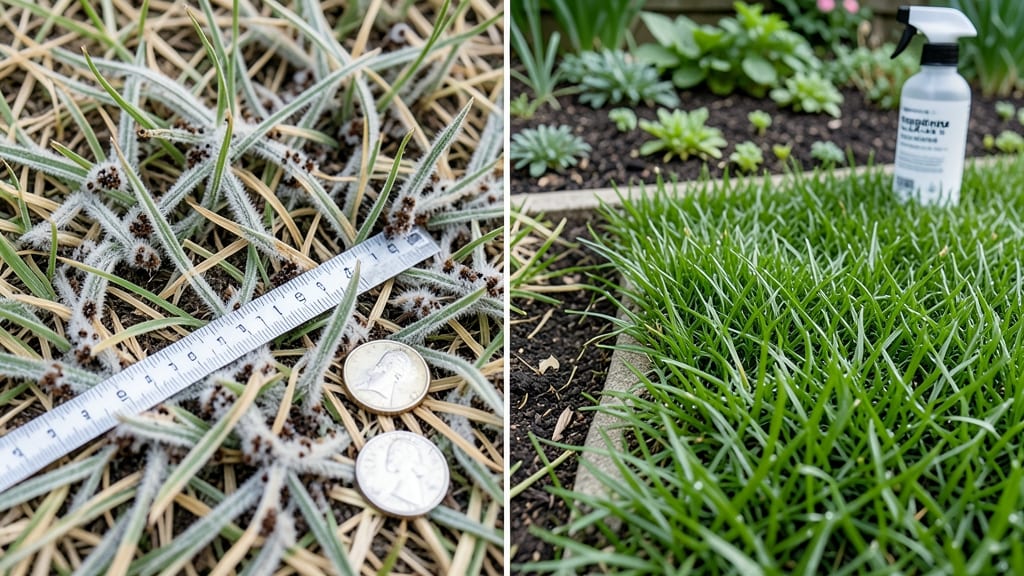
Black lawn fungus turns your yard into a smudgy mess overnight—those dark, greasy patches aren’t dirt or mold, they’re Rhizoctonia or Drechslera spreading like wildfire. I’ve seen it ruin perfectly healthy grass in just 48 hours, and the key to stopping it?
Vinegar, the right timing, and a few unexpected tricks that actually work. The moment you spot those black, velvety spots (especially after rain or heavy watering), grab white vinegar, a hose, and a rake—no fancy chemicals needed.
This isn’t just a quick fix; it’s a 3-step reset that kills spores on contact while giving your grass a fighting chance. The secret? You’re not just treating the fungus; you’re fixing the conditions that let it take over in the first place.
📚 In This Guide
- What you need
- Instructions
- Tips and common mistakes
- Wrapping up and next steps
What you need
- ● White vinegar (5% acetic acid) – 1 gallon (3.8 liters) (or enough to cover affected areas thoroughly). Avoid synthetic vinegars with additives.
- ● Spray bottle or garden sprayer – 16-20 oz (473-591 mL) capacity (or a pump sprayer for larger lawns). A fine-mist nozzle works best.
- ○ Watering can or hose with a spray attachment – For rinsing (optional but recommended).
- ● Gloves (nitrile or rubber) – 1 pair (vinegar can irritate skin!).
- ● Trash bags or rake – To remove severely infected grass clippings or debris.
- ● Baking soda – ½ cup (120 mL) (mix with vinegar for extra antifungal power).
- ● Dish soap (unscented, 1 tsp) – Helps vinegar stick to grass blades.
- ● Lawn mower (set high) – To avoid spreading spores; mow after treatment.
- ● Weather forecast check – Treat on a dry, sunny day (no rain for 24–48 hours).
How to eliminate black lawn fungus using vinegar
Here's the straightforward method I use to clear up black fungus patches in lawns—no harsh chemicals needed.
Identify and Clear Affected Areas
Start by closely examining the lawn to confirm you're dealing with black fungus, not mold or thatch buildup. Black fungus typically appears as dark, circular patches with a fuzzy texture, often surrounded by yellowing grass. Use a garden rake to carefully remove dead grass and debris from the affected areas—this prevents the fungus from spreading further.
Focus on the entire patch, not just the darkest spots. Even grass that looks healthy but is within 6-12 inches of the infected area should be cleared. This step is critical because black fungus thrives on organic matter, and removing it breaks its food source. Work on a dry day to avoid spreading spores through wet soil.
Prepare the Vinegar Solution
Mix 1 gallon of white vinegar with 2 gallons of water in a large spray tank or bucket. White vinegar contains about 5% acetic acid, which is strong enough to kill fungus but gentle enough for grass when diluted properly. Avoid using apple cider vinegar—it has lower acidity and won't be effective.
Add 1 tablespoon of liquid dish soap to the mixture. The soap acts as a surfactant, helping the vinegar solution adhere to grass blades and penetrate the fungal growth more effectively. Stir well to combine, then let the solution sit for 5 minutes before use. This brief wait ensures the soap fully integrates into the vinegar solution.
Apply the Solution Evenly
On a calm day, fill your sprayer with the vinegar solution and apply it directly to the affected areas. Focus on saturating the grass blades and soil surface—you should see the solution beading on the grass but not pooling. Avoid overspraying nearby healthy grass, as the acidity can damage it. For large patches, use a hose-end sprayer for even coverage.
Work in sections, moving from the outer edges of the patch inward. This prevents the solution from drying too quickly on the outer edges while you're still treating the center. Reapply the solution once more after 24 hours to ensure the fungus is fully eradicated. The acetic acid in vinegar disrupts the fungal cell walls, killing the organism within 24-48 hours of contact.
Restore and Maintain Healthy Grass
After treating the black fungus, allow the lawn to dry completely—this typically takes 12-24 hours depending on humidity. Once dry, overseed the bare patches with high-quality grass seed suited to your climate. Lightly rake the area to create a fine seedbed, then spread a thin layer of straw mulch to retain moisture and protect the seeds.
Water the area gently but consistently for the next 2-3 weeks, keeping the soil moist but not soggy. Avoid heavy foot traffic or mowing until the new grass reaches 3-4 inches tall. To prevent future black fungus outbreaks, improve lawn drainage by aerating compacted soil and mowing at a height of 3-4 inches to promote airflow and reduce humidity at the soil level.
Tips & tricks for effective black fungus removal
These practical pointers will help you tackle black fungus patches more efficiently while protecting your lawn's health.
Precision in Step 1: When clearing affected areas in Step 1, use a stiff-bristle rake to avoid tearing healthy grass roots. Focus on removing ALL organic debris—even small pieces can harbor spores. I've found that working in small sections prevents accidental spread to unaffected areas. The key is thoroughness: don't just clear the darkest spots, but extend 12 inches beyond where the fungus appears.
Solution Preparation: The 5-minute wait after mixing in Step 2 is crucial—it allows the dish soap to fully emulsify with the vinegar. I recommend using a clear container to monitor the mixture; you should see a slight cloudiness when properly combined. For larger lawns, you can scale this up proportionally (maintain 1:2 vinegar-to-water ratio) but keep the 1 tablespoon of soap per gallon of vinegar. This ensures consistent effectiveness across your entire treatment area.
Application Strategy: In Step 3, work early in the morning when humidity is lowest to maximize evaporation and minimize potential damage to surrounding grass. I've noticed that applying the solution when dew is still present can dilute its effectiveness. For stubborn patches, consider adding a second application after the initial 24 hours—this double treatment gives the acetic acid extra time to fully penetrate the fungal cells.
Post-Treatment Care: After the 12-24 hour drying period in Step 4, resist the urge to overseed immediately. Wait until you see new grass sprouts (about 7-10 days) before mowing. This gives the new seedlings time to establish strong roots. I've found that using a mulching mower for the first cut helps distribute grass clippings as natural fertilizer for the recovering area.
Pro Tips for Black Lawn Fungus
- These practical pointers will help you tackle black fungus patches more efficiently while protecting your lawn's health.
- Precision in Step 1: When clearing affected areas in Step 1, use a stiff-bristle rake to avoid tearing healthy grass ...
- Solution Preparation: The 5-minute wait after mixing in Step 2 is crucial—it allows the dish soap to fully emulsify w...
Frequently asked questions
Got questions about tackling black lawn fungus?
You’re not alone—this pesky problem stumps even seasoned gardeners. Below, we’ve rounded up the most common queries to help you act fast and keep your lawn lush.
What exactly causes black lawn fungus?
Black lawn fungus (often Ophiosphaerella herpotricha or Rhizoctonia) thrives in damp, shaded, or poorly drained areas. Overwatering, compacted soil, and thick thatch create the perfect breeding ground. Fungal spores lie dormant until conditions—like cool, wet weather—trigger outbreaks. Prevention starts with proper lawn care!
How quickly can vinegar kill black fungus?
Vinegar’s acetic acid disrupts fungal cell walls, but results vary. For visible improvement, expect 3–7 days of consistent treatment (spraying every 2–3 days). Severe cases may need 2–4 weeks of follow-up. Pro tip: Test a small patch first—vinegar can harm grass if overused!
Will my grass recover after treating black fungus?
Yes! With vinegar treatment, the fungus dies, but dead grass patches may linger. Rebuild health by:
- Raking out debris
- Seeding bare spots
- Improving drainage
- Avoiding foot traffic until new growth appears
What’s a better alternative if vinegar doesn’t work?
If vinegar falls short, try:
- Hydrogen peroxide (3%) – Spray undiluted for a faster kill.
- Baking soda solution – Mix 1 tbsp per gallon of water for mild cases.
- Fungicidal sprays – Opt for copper-based or neem oil options for organic control.
Why does black fungus keep coming back?
Recurring fungus usually signals underlying issues. Check for:
Issue
Fix It With
Poor drainage
Core aeration + sand top-dressing
Thatch buildup
Dethatching in early spring
Overwatering
Water deeply 2–3x/week (early morning)
Shady, humid spots
Improve airflow with pruning or mulch
Wrapping up and next steps
Dealing with black lawn fungus doesn’t have to be a daunting task—especially when you’ve got a simple, vinegar-powered solution at your fingertips! 🌱 With just a few household ingredients and a little elbow grease, you can restore your lawn’s health in hours. Remember: consistency is key!
Now that you’re armed with the knowledge, take action today. Start by treating small patches first, monitor progress, and scale up as needed. Your lawn will thank you—and so will your weekends! Ready to tackle it? Grab your vinegar and get started!