
Fertilization
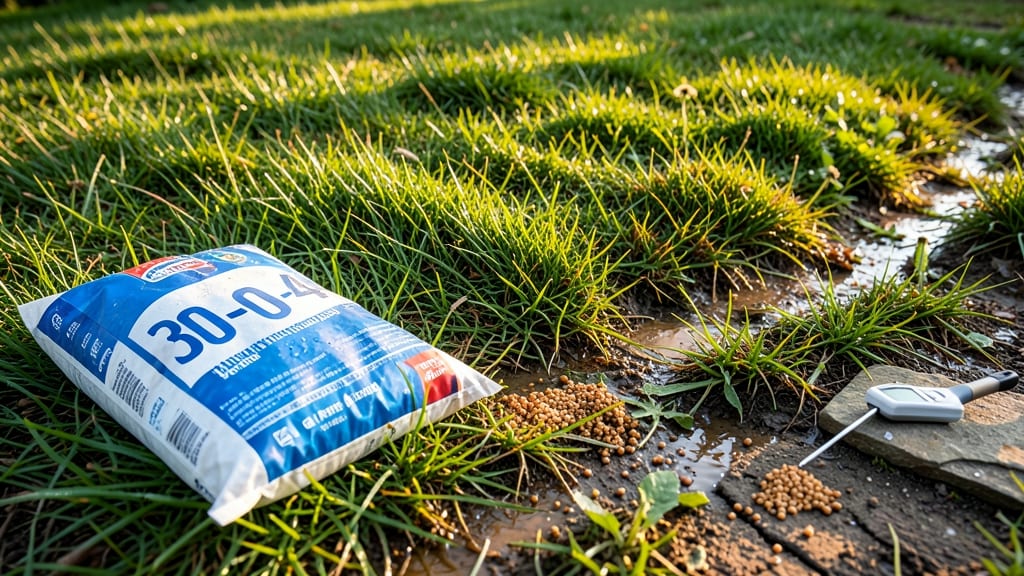
Over-fertilizing lawns creates significant environmental damage by causing nutrient runoff that contaminates waterways, creates oxygen-depleted dead zones, and disrupts aquatic ecosystems. The excess nitrogen and phosphorus also harm soil quality by promoting invasive weeds and weakening native plant life.
When lawns receive more fertilizer than they can absorb, the excess nutrients wash away during rainstorms or irrigation, flowing into nearby rivers and lakes. 🌊 This runoff sparks explosive algal growth that eventually dies and decomposes, consuming all available oxygen in the water.
The result is suffocating "dead zones" where fish and other aquatic life can't survive. I've seen firsthand how this process turns vibrant ecosystems into biological wastelands, particularly in areas with heavy agricultural runoff.
Beyond waterways, over-fertilized soil becomes unbalanced, favoring fast-growing weeds over native plants that support local wildlife. The chemical buildup can even alter soil pH over time, making it less hospitable for beneficial microbes.
What's surprising is how quickly these effects accumulate—just one heavy application can trigger problems that last for years.
💡 In This Article
- How Fertilizer Runoff Creates Dead Zones in Waterways
- Sustainable Lawn Care Alternatives to Reduce Fertilizer Harm
How fertilizer runoff creates dead zones in waterways
The real damage starts when excess nitrogen and phosphorus—key components in most synthetic fertilizers—wash into nearby waterways during heavy rain or irrigation. These nutrients act like an all-you-can-eat buffet for algae, triggering explosive growth known as algal blooms.
In the Gulf of Mexico, for example, the Mississippi River carries enough agricultural and lawn fertilizer runoff to create a dead zone the size of New Jersey every summer. 🌊 The problem isn't just the algae itself, but what happens when it dies.
When these blooms decompose, bacteria consume massive amounts of dissolved oxygen in the water—a process called eutrophication. In severe cases, oxygen levels can drop below 2 milligrams per liter (normal levels are around 5-6 mg/L), creating hypoxic or "dead zones" where fish, crabs, and other aquatic life suffocate.
This isn't just a seasonal issue—some dead zones persist year-round, permanently altering marine ecosystems. Studies show that fish populations in these areas can decline by up to 90% during peak bloom seasons.
The biochemical chain reaction extends beyond oxygen depletion. As algae die and sink, they create organic-rich layers that alter water chemistry, often leading to acidification and toxic hydrogen sulfide buildup.
This creates a double whammy: first, the oxygen loss kills most mobile species, then the toxic conditions prevent new life from taking hold. 🐟 What's particularly alarming is how quickly this process escalates—some blooms can double in size within just 24-48 hours under the right conditions.
On land, the story is equally concerning. Excess phosphorus in soil creates a feedback loop where fast-growing weeds like crabgrass outcompete native grasses, which have evolved to thrive with natural nutrient cycles. This shift reduces biodiversity and eliminates food sources for insects and birds that depend on native plants.
The irony? Many homeowners apply fertilizer thinking they're improving their lawn, when they're actually creating a monoculture that's less resilient to drought and pests.
Consider the Gulf of Mexico dead zone, which has grown from 5,000 square miles in the 1980s to over 15,000 square miles today—a size comparable to Florida's entire coastline.
This expansion directly correlates with fertilizer use patterns across the Midwest's Corn Belt, where nitrogen applications have increased by 300% since the 1960s. The economic impact is staggering too: commercial fishing industries lose millions annually due to these dead zones.
What makes this especially troubling is the lag time between application and impact. Fertilizer applied today might not cause visible damage for months or even years, as nutrients accumulate in soil and groundwater before reaching waterways.
This delayed feedback makes it difficult for homeowners to connect their actions with the ecological consequences they're creating. 🌍 The good news? Small changes in application timing and type can dramatically reduce runoff—we'll explore those solutions next.