
Lawn
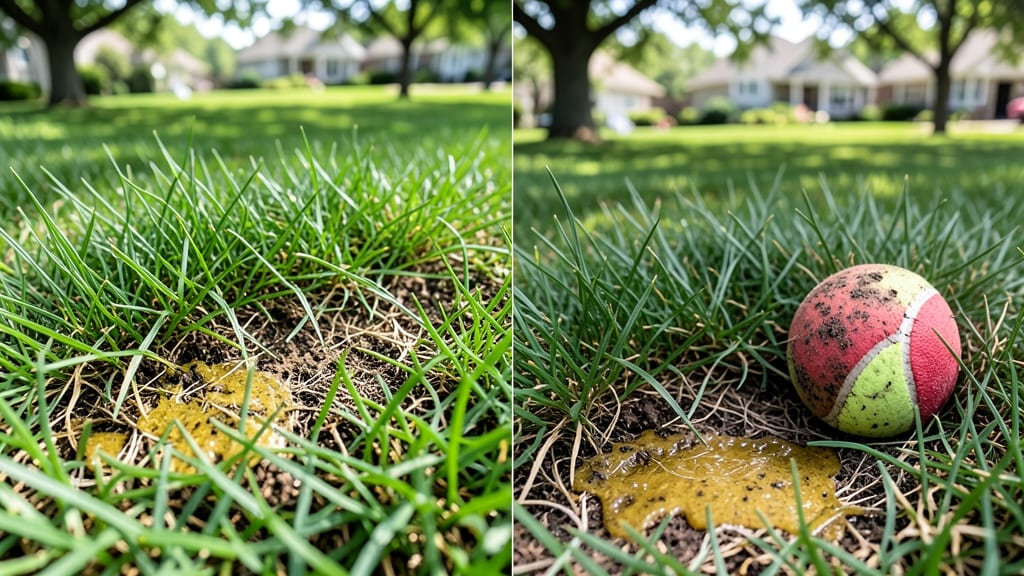
Dog pee kills lawns because of concentrated nitrogen—it’s like pouring fertilizer straight from a bottle. 🌱 I’ve seen nearly perfect lawns turn into patchy yellow messes overnight, and the fix starts with understanding why this happens (it’s not just the pee—it’s the chemistry).
The damage comes from two things: the high salt content and the ammonia, which act like a slow-motion herbicide on grass blades. Most people don’t realize their dog’s urine is 5x stronger than diluted fertilizer, which is why spot treatment is key.
You’ll need a hose, a rake, and a little patience to revive those brown patches.
What works is simple: dilute the urine by having your dog drink more water, then water the lawn immediately after they go. Overwatering isn’t the answer—it just washes nutrients away. Instead, focus on targeted irrigation right after peeing, and you’ll see new green growth in 5-7 days.
For stubborn patches, overseeding with shade-tolerant grass like fine fescue helps. It’s not about fixing it overnight—it’s about giving your lawn the chance to heal while keeping your pup happy. Let’s get those spots back to green!
📚 In This Guide
- What you need
- Instructions
- Tips and common mistakes
- Wrapping up and next steps
What you need
- ● Garden hose (with adjustable nozzle for rinsing)
- ● Water-soluble lawn fertilizer (15-0-15 or 16-4-8 NPK ratio, 10 lbs per 500 sq. ft.)
- ● Over-the-counter (OTC) urine neutralizer (e.g., Urine Off or PetUrine, 1 gallon)
- ● Garden sprayer (1-2 gallon capacity, hose-end or backpack)
- ● Baking soda (1 lb, for spot treatment)
- ● Gloves (rubber or nitrile, for safety)
- ● Measuring cup (for precise mixing)
- ● Rake or stiff brush (for loosening compacted soil)
- ● Vinegar (white, 5% acetic acid) (1 gallon, for acidic soil adjustment)
- ● Lime (pelletized, 10 lbs) (if your soil is acidic)
- ● Slow-release nitrogen granules (e.g., Milorganite, 20 lbs)
- ● Soil pH test kit (to check before/after treatment)
- ● Dog training treats (for reinforcing potty training!)
How to revive dog-pee-damaged lawn spots
Here's how I save yellowed patches—no overwatering, no guesswork, just targeted care.
💧 Step 1: Identify and Dilute the Problem Areas
First, walk your lawn and mark the bright yellow or brown spots where dog pee has concentrated. These areas have a higher salt concentration that burns grass roots. I use a garden flag or chalk to mark them—this helps track progress over time. Avoid watering these spots immediately; you'll only spread the damage further.
If you catch the pee within 30 minutes, dilute it by gently watering the area with ½ inch of water. This reduces the salt concentration before it penetrates the soil. For older damage, skip this step and move directly to soil testing. Real talk: if the spot has been there for weeks, dilution won't help—you'll need to rebuild the soil.
✂️ Step 2: Remove Dead Grass and Loosen Compacted Soil
Use a hand trowel or small spade to carefully scrape away the dead grass and thatch from the damaged spots. You're not digging deep—just removing the surface layer that's preventing new growth. I aim for a 1-inch deep removal, exposing the healthier soil beneath. If the damage is severe, you might see white, crusty salt deposits—this confirms the pee's impact.
Once the dead grass is gone, loosen the soil with a garden fork or your fingers. Break up any compacted areas to improve water and nutrient absorption. This step is crucial because compacted soil can't support new grass growth, no matter how much you water or fertilize. Think of it as giving your lawn a fresh start in that small patch.
🌱 Step 3: Apply a Thin Layer of Topsoil and Grass Seed
Spread a ¼-inch layer of fresh topsoil over the loosened area. This replaces the nutrient-depleted soil and gives new grass seeds a better chance to take root. I use a small rake to spread it evenly—don't pack it down, just level it out. Overdoing it here can smother the seeds or create a barrier that prevents water from reaching the roots.
Next, sprinkle a handful of fast-growing grass seed (like perennial ryegrass or fine fescue) over the topsoil. Lightly rake it in so the seeds are just covered—no deeper than ¼ inch. For stubborn spots, I add a pinch of starter fertilizer to give the seeds a nutrient boost right away. Water gently but thoroughly to settle the soil and seeds without washing them away.
💧 Step 4: Water and Monitor for Growth
Keep the repaired area consistently moist but not soggy for the first 2-3 weeks. I water lightly every 2-3 days until the new grass reaches 2 inches tall. Avoid heavy watering, which can dislodge seeds or create runoff. You'll know you're doing it right when the soil feels damp 1 inch below the surface but doesn't puddle.
Watch for the first signs of new growth—tiny green blades poking through the soil. This usually happens within 7-14 days, depending on your climate and the seed type. If you see yellowing again, it might mean the area is still too salty. In that case, repeat the topsoil and seed process or consider overseeding with a more salt-tolerant grass variety.
☀️ Step 5: Protect and Maintain the Repaired Spots
Once the new grass reaches 3-4 inches tall, it's strong enough to handle light foot traffic. But for the first 4-6 weeks, keep pets off the area to avoid re-damaging it. If your dog still uses the spot, train them to go elsewhere or dilute the pee immediately after they do their business.
Continue to water the repaired area 1 inch per week (including rainfall) for the first month. After that, gradually reduce watering to match your lawn's regular schedule. Mow the new grass when it reaches 3 inches tall, but avoid cutting more than ⅓ of the blade height at a time. This ensures the grass stays healthy and establishes a strong root system.
Tips & tricks for reviving dog-pee-damaged lawn spots
A few targeted strategies will help you avoid common pitfalls and maximize your lawn's recovery.
Timing is Everything: In Step 1, that 30-minute window for diluting fresh dog pee is your best chance to prevent lasting damage. I've seen spots that were saved by quick action but turned into permanent brown patches when homeowners waited too long. Keep a hose handy near your dog's favorite spots—you'll thank yourself later.
Soil Preparation Secret: When loosening compacted soil in Step 2, don't just poke at it—actually break up the clumps with your fingers or garden fork. I've noticed that simply scraping away dead grass without proper aeration leads to poor seed germination. Think of it like fluffing a pillow before planting seeds—you want that soil to be inviting for new growth.
Layering Technique: That ¼-inch layer of topsoil in Step 3 is more important than it seems. Too little won't provide enough nutrients, while too much can smother your seeds. I use a straight edge (like a ruler or trowel) to create an even line of soil, then gently rake it in. This consistency ensures your seeds have equal access to moisture and sunlight across the entire repaired area.
Watering Wisdom: During the critical 2-3 week watering phase in Step 4, I've learned that morning watering is ideal. It allows the soil to absorb moisture before the heat of the day evaporates it. Check the soil dampness by sticking your finger 1 inch down—it should feel like a damp sponge, not a dripping wet washcloth. This balance prevents both underwatering and overwatering, both of which can stress new grass.
Pro Tips for Dog Pee Kills Lawn
- A few targeted strategies will help you avoid common pitfalls and maximize your lawn's recovery.
- Timing is Everything: In Step 1, that 30-minute window for diluting fresh dog pee is your best chance to prevent lasting damage.
- Soil Preparation Secret: When loosening compacted soil in Step 2, don't just poke at it—actually break up the clumps with your fingers or garden fork.
Frequently asked questions
Got questions about how to save your lawn from dog pee damage?
You’re not alone! Here are some of the most common concerns—and practical answers—to help you restore your grass without stress.
Why does dog pee kill grass in the first place?
Dog urine is high in nitrogen, which can burn grass by creating a concentrated salt and acid mix. When pee soaks into the soil, it disrupts the pH balance, preventing roots from absorbing water and nutrients. Over time, this leads to yellowed patches or even dead spots. Pro tip: Dilution is key—always encourage your pup to pee in one spot and water it down immediately!
How long does it take for grass to recover after dog pee damage?
Recovery time varies based on grass type, soil health, and how quickly you act. With proper care—like over-seeding, topdressing with compost, and diluting urine—you might see improvement in 2–4 weeks. For severe damage, it could take up to 3 months. Patience and consistency are your best tools!
What’s the best way to neutralize dog pee on grass?
Start by diluting the urine with water (use a hose or sprinkler). For stubborn spots, mix 1 part white vinegar or baking soda with 3 parts water and gently spray the area. Avoid commercial urine-neutralizing products—they can harm soil microbes. Follow up by watering deeply to flush out excess salts.
Can I just replace the damaged grass with new sod?
Yes, but timing matters! Wait until the damaged area is completely dry (no soggy soil) and prep the spot by removing dead grass and loosening the soil. Lay new sod on a fertile, level surface and water it daily for the first 2 weeks. For a seamless look, choose sod that matches your existing grass type.
How can I train my dog to pee in one spot to protect my lawn?
Consistency is key! Pick a designated area (like a gravel patch or artificial turf) and reward your dog with treats and praise when they use it. Clean up accidents immediately with an enzyme cleaner (not ammonia-based) to remove odors. For stubborn pups, try a bell near the spot—train them to ring it before peeing to signal their needs.
Still stumped? Drop your lawn woes in the comments—we’ve got more tricks to share!
Wrapping up and next steps
Don’t let dog pee turn your lawn into a yellow wasteland! 🌱 While it’s true that dog urine can harm grass, the good news is that with the right tools and techniques—like spot-treating with vinegar, watering, or overseeding—you can revive those patches and keep your lawn lush. Small, consistent efforts make a big difference, so grab your supplies and get ready to turn those pee spots into healthy green again.
Next step: Pick one method from this guide and test it on a small area first—your lawn (and your pup!) will thank you. 🐾