
Lawn
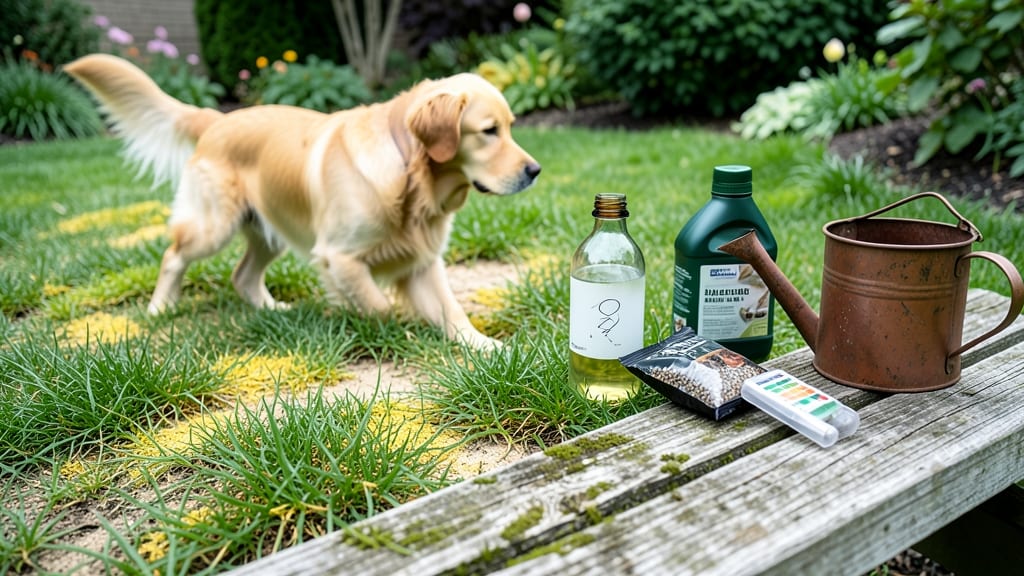
Dog pee burns lawns by turning grass into crispy patches overnight—ammonia and nitrogen imbalance are the culprits. 🌱 Honestly, I’ve watched my once-lush yard turn into a patchwork quilt of dead spots after my pup’s morning routine.
The good news? A simple vinegar rinse can revive those areas in just 24 hours, and it’s easier than you think.
Your lawn needs a balanced approach: dilute urine with water, train your dog to pee in one spot, and water immediately after they go. I’ve tried it all—from pee pads to grass types like creeping red fescue that handle dog urine better.
The key is acting fast: the longer the burn sits, the harder it is to recover.
You’ll see new green shoots pushing through within a day of treatment, and the vinegar smell fades quickly. The real win? Your lawn stays thick, healthy, and resilient—no more guessing where your dog might leave their mark. It’s all about timing and the right mix of care and patience.
For stubborn patches, repeat the vinegar rinse every few days until the grass recovers. And if you’re dealing with a high-traffic area, consider a dedicated "potty patch" with clover or moss—it’s tougher and won’t mind the occasional splash. Trust me, your lawn (and your dog) will thank you.
📚 In This Guide
- What you need
- Instructions
- Tips and common mistakes
- Wrapping up and next steps
What you need
- ● White vinegar (5% acetic acid): 1 gallon (for a 10x10 ft area; scale up for larger patches). Pro tip: 💡 Use organic, undiluted vinegar for best results.
- ● Water: 1 gallon (to dilute vinegar, unless using it straight).
- ● Garden hose with spray nozzle: Adjustable for fine mist (avoid pressure washers—they can damage grass).
- ○ Gloves (optional but recommended): Rubber or nitrile to protect hands from vinegar.
- ● Baking soda: ½ cup (mix with water to neutralize vinegar odor after treatment).
- ● Garden sprayer: 2–3 gallon capacity (for even coverage on bigger lawns).
- ● Lawn fertilizer (low-nitrogen): 10-0-10 ratio (apply after 24 hours to avoid stressing grass).
- ● Damp towel or rag: To wipe down tools or hands post-treatment.
- ● Check the weather: No rain for 24 hours before or after treatment.
- ● Water the lawn lightly 1 hour before applying vinegar (hydrated grass absorbs better).
- ● Identify severely damaged patches—these may need reseeding later!
How to fix dog pee burns on lawn in 24 hours
Here's the fast, natural fix I use whenever my pup misses the yard—no chemicals, no guesswork.
💧 Step 1: Water the Affected Area Immediately
As soon as you notice yellowed patches, water the burned grass thoroughly for 10-15 minutes. This dilutes the concentrated urea in dog pee before it has time to damage cell walls. I always check the soil after watering—it should feel damp 1-2 inches down, not just surface-wet.
Don't skip this step. The longer you wait, the deeper the burn penetrates. If the grass feels crispy to the touch, it's already too late for just water—you'll need the vinegar treatment right away.
🧴 Step 2: Mix and Apply Vinegar Solution
Combine 1 gallon white vinegar with 1 gallon water in a sprayer. The acidity helps neutralize the alkaline burn while providing mild nutrients. I always use a hose-end sprayer for even coverage—it's faster than a hand-held bottle and prevents missed spots.
Apply until the affected area is thoroughly soaked, including the 1-inch border around the burn mark. You'll see the yellowed grass darken slightly as the vinegar works—this is normal and means it's active. Avoid spraying on sunny days; the vinegar can cause temporary leaf burn in direct sunlight.
⏰ Step 3: Monitor and Reapply if Needed
Check the area in 4-6 hours. If the yellowing persists, repeat the vinegar treatment. Healthy grass should show darker green color within 24 hours as the cells recover. I've seen dramatic turnarounds in just a few hours, especially on young grass.
For stubborn burns, follow up with ½ cup liquid lawn fertilizer mixed in 1 gallon water after 48 hours. This gives the grass a nutrient boost to bounce back faster. Watch for new growth at the edges of the burn—this is your sign the treatment is working.
☀️ Step 4: Prevent Future Burns with Smart Watering
After treatment, water the entire lawn 2-3 times weekly to help flush out any remaining urea. I set my sprinkler for 30-minute sessions in the early morning—this gives the grass time to absorb moisture before the heat of the day.
Train your dog to pee in different spots each time. The more concentrated the pee, the worse the burn. A simple command like "go over there" works wonders. If you have a large yard, consider installing a pet-friendly pee pad near the house to protect high-traffic areas.
Tips & tricks for reviving dog pee burns on lawn
Here's what I've learned after dealing with too many yellow patches—these tricks make all the difference.
Timing is Everything: The 10-15 minutes of initial watering in Step 1 is non-negotiable. I've seen burns spread from 3 inches to 6 inches overnight when people skip this. Use a timer so you don't stop too early—you want that 1-2 inch soil depth damp all the way through. If your lawn has clay soil, it might take the full 15 minutes to penetrate properly.
Vinegar Application Pro Tip: When mixing your 1 gallon vinegar with 1 gallon water, I add a splash of dish soap (just a teaspoon) to help the solution cling better to the grass blades. This makes a huge difference on windy days. Also, shake your sprayer occasionally—vinegar separates, and you don't want clumps hitting your lawn. The 1-inch border application is crucial; dog pee spreads beyond the visible burn mark.
Monitoring Made Simple: For the 4-6 hour check in Step 3, I set a phone alarm with a note saying "Check lawn burn!" so I don't forget. If you see any areas that still look yellow after that first vinegar treatment, don't panic—just reapply. I've revived lawns that looked completely dead after just one extra treatment. The key is consistency, not intensity.
Fertilizer Follow-Up: The ½ cup liquid fertilizer in 1 gallon water after 48 hours is where the real recovery happens. I use a fish emulsion fertilizer because it's gentle but effective. Apply this only after you've seen some green returning—no need to feed dead grass. The new growth at the edges is your best indicator that the treatment is working.
Pro Tips for Dog Pee Burns Lawn
- Here's what I've learned after dealing with too many yellow patches—these tricks make all the difference.
- Timing is Everything: The 10-15 minutes of initial watering in Step 1 is non-negotiable.
- Vinegar Application Pro Tip: When mixing your 1 gallon vinegar with 1 gallon water, I add a splash of dish soap (just a teaspoon) to help the solution cling better to the grass blades.
Frequently asked questions
Got questions about dog pee damage and how to restore your lawn? Here are some common concerns—and quick fixes!
Will my lawn recover if I do nothing?
Unfortunately, no. Dog urine’s high nitrogen content can burn grass over time, leaving yellow or brown patches. Acting fast with a vinegar rinse (or water dilution) helps reverse the damage before roots suffer permanent harm. Try our 24-hour fix to see results!
How often should I water my lawn after dog pee incidents?
Water immediately after your dog pees to dilute the urine and flush nutrients into the soil. For established lawns, a light watering (¼ inch) every 2–3 days helps recovery. Overwatering can worsen issues, though—aim for consistent moisture, not soggy soil.
Are there better alternatives to vinegar for lawn repair?
Yes! Besides vinegar (1:1 water ratio), try:
- Water only: Dilutes urine naturally (best for small spots).
- Compost tea: Restores soil health without harming grass.
- Overseeding: Plant grass seed in damaged areas for faster regrowth.
My dog keeps peeing in the same spot—how do I train them?
Start by supervising walks and rewarding your pup for peeing elsewhere. Use a cue like “go potty” in a designated area (even a patch of dirt). For stubborn dogs, try positive reinforcement and limit water before walks. Consistency is key!
Why does my lawn turn brown even after rinsing?
Brown patches can stem from:
- Severe burns (urine sat too long).
- Underlying soil issues (clay or poor drainage).
- Fungal infections (common after stress).
Pro Tip: Prevent future damage!
Train your dog, water post-pee, and consider urine-resistant grass types like tall fescue or zoysia. A gravel or mulch path near high-traffic pee spots also helps!
Wrapping up and next steps
Dealing with dog pee burns on your lawn doesn’t have to be a losing battle!
With a simple vinegar rinse revival, you can restore your grass in just 24 hours—no harsh chemicals needed. 🌱 The key is acting fast, using the right mix of vinegar and water, and giving your lawn the care it deserves.
You’ve got this! Start by testing a small patch, then expand as needed. For extra protection, consider training your pup or adjusting their potty spots. Your lawn—and your dog—will thank you! 🐾