
Blooming
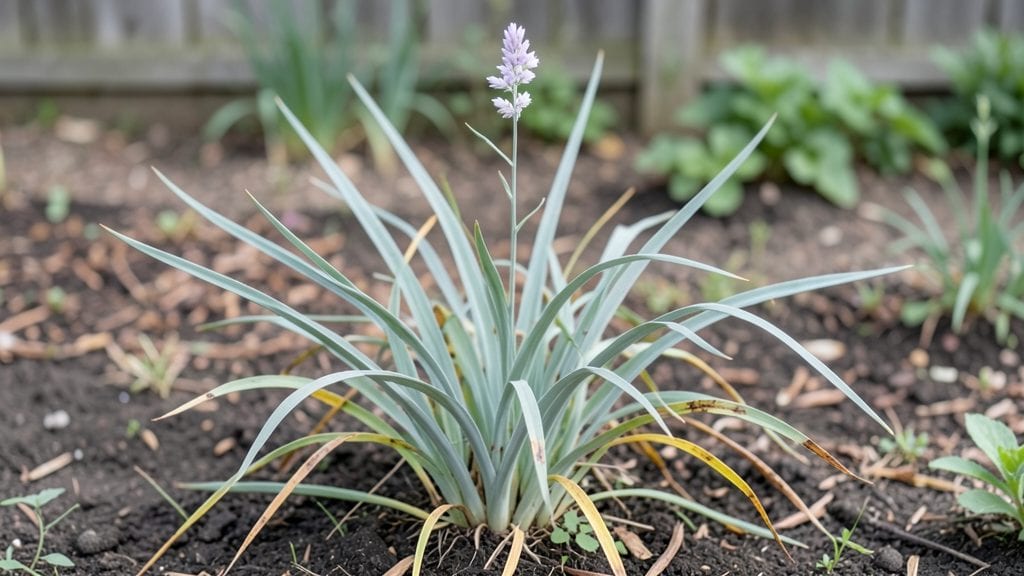
Lemon grass typically does not bloom under normal home cultivation, as it’s often grown for its culinary stalks. Flowers appear only in tropical climates or mature plants, signaling a shift in energy toward seed production rather than leaf growth. Pruning and proper care can delay blooming to preserve its aromatic stalks.
Lemon grass prioritizes leaf production over flowering because its natural habitat thrives in warm, humid conditions—something most indoor setups can't replicate. 🌱 Without the right climate cues, the plant conserves energy for stalks instead of blooming, which is why you’ll rarely see flowers unless you’re growing it in a greenhouse or subtropical region.
Even then, flowering signals the plant is mature enough to focus on reproduction rather than culinary use.
If you’re growing lemon grass for cooking, this is actually great news—it means you can keep harvesting those fragrant stalks for months. Just make sure to prune regularly to encourage new growth and avoid overwatering, which can stress the plant and trigger premature flowering.
A little care goes a long way in keeping your lemon grass lush and ready for recipes.
💡 In This Article
- Why Lemon Grass Rarely Blooms Indoors
- Encouraging Healthy Lemon Grass Growth Without Flowers
Why lemon grass rarely blooms indoors
Lemon grass (Cymbopogon citratus) evolved in the tropical regions of Southeast Asia, where it thrives in temperatures between 75-85°F and high humidity levels above 60%. These conditions trigger its natural growth cycle, prioritizing leaf production over flowering.
Indoors, most homes maintain cooler temperatures (often 68-72°F) and lower humidity, which sends the plant into a survival mode—conserving energy for stalks rather than reproductive structures like flowers. The lack of consistent warmth and moisture disrupts the photoperiodism (light exposure patterns) needed to initiate blooming.
Here’s what’s actually happening: Lemon grass flowers only when it detects longer daylight hours (12+ hours) and stable warmth, signaling it’s time to reproduce. In tropical climates, this happens naturally during summer months, but indoor growers rarely replicate these conditions.
Even if you provide bright light, the plant’s internal clock (circadian rhythm) remains misaligned, preventing the hormonal shift required for bud formation. The stalks you harvest are essentially the plant’s primary focus—its "leaves" are actually modified stems that store nutrients and essential oils.
What most people don’t realize is that flowering in lemon grass is a maturity indicator. Plants typically bloom when they reach 18-24 months old and have stored enough energy. In controlled environments, this milestone is rarely achieved because growth slows without ideal conditions.
The energy that would go into flowers instead fuels the production of citral and geraniol—the aromatic compounds that make lemon grass so valuable in cooking. This is why your homegrown plant stays lush and green but rarely produces those delicate white flowers.
There’s also a physiological trade-off: When lemon grass does flower, it’s a one-way energy shift. The plant redirects nutrients from stalks to flower stalks, which can weaken the culinary parts you rely on. In the wild, this makes sense—flowers lead to seeds, ensuring the next generation.
But for home cooks, this means flowers are a sign the plant is "retiring" from leaf production. The good news? With proper care, you can delay this process for years, keeping those fragrant stalks coming.
Consider this comparison: Think of lemon grass like a marathon runner. In tropical conditions, it’s training for a race (growth) and occasionally competing (flowering). Indoors, it’s more like a sprinter—conserving energy for short bursts of leaf production because the "race" (flowering) isn’t happening.
The key to keeping it running strong is mimicking its natural habitat as closely as possible, even if just in small ways like using a humidity tray or moving it near a sunny window during summer months.
One final detail: The flowers themselves are quite striking—small, white, and clustered like tiny pom-poms—but they’re short-lived. Even in optimal conditions, they last only 2-3 days before wilting. This ephemeral nature is another clue that the plant’s priority isn’t showy blooms but survival through its stalks.
For cooks, this is a blessing—it means your lemon grass is hardwired to keep producing the aromatic stalks you love, not wasting energy on fleeting flowers. 🌿