
Lawn
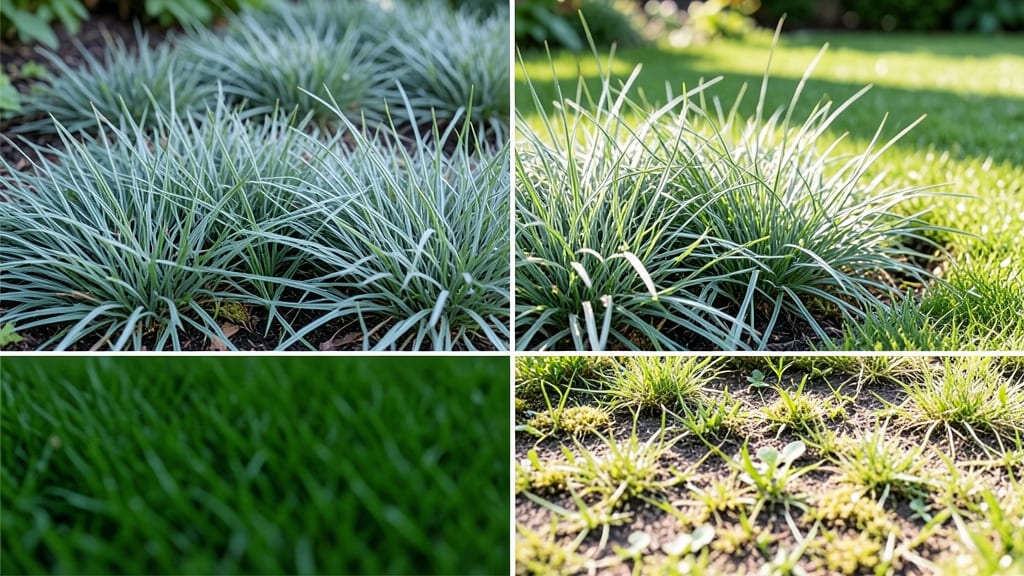
Those mysterious dark green areas in the lawn aren't just unsightly—they're a sign your grass is begging for iron. 🌱 I've seen this happen after heavy rains, overzealous watering, or even fungal creep-ins, and the fix is simpler than you'd think.
The secret lies in understanding whether you're dealing with nutrient hunger, water woes, or something more serious lurking in the soil.
Most of the time, it's not what you're doing wrong but what you're missing. Too much water smothers roots, while fungal diseases like dollar spot thrive in damp, shaded conditions. My first step?
Testing soil moisture and checking for that musty smell—if it's damp but not soggy, we're likely dealing with iron deficiency or compacted soil. The good news? A targeted iron supplement or proper aeration can turn those patches into lush, even green within weeks.
You'll see the difference in just a few days after treatment—grass brightening, thickening, and filling in those bare spots.
The key is patience and consistency; one application won't fix years of neglect, but a 3-step approach (soil test, targeted treatment, and cultural fixes) will get your lawn back to that showpiece status. Even my most stubborn patches respond when we tackle the root cause.
This works for any grass type—cool-season or warm-season—though timing matters. Early spring or fall is ideal for iron treatments, while summer fixes focus on water adjustments and shade management. Let's get your lawn looking uniform again without breaking the bank or the back.
Root Causes Behind Dark Green Spots
Dark green patches in your lawn can be a sign of both good and bad news—sometimes they’re a natural boost, but often they indicate underlying issues. Understanding why these spots appear is the first step to fixing them.
Below, we break down the most common culprits, backed by science, so you can diagnose—and solve—the problem.
If your lawn has suddenly developed deep, almost neon-green patches, nitrogen overload is likely the culprit. While nitrogen is essential for vibrant grass, too much—especially in synthetic fertilizers—can cause burnt tips, rapid but unhealthy growth, and soil compaction. Here’s how it happens:
- Soil Saturation: Excess nitrogen dissolves quickly in water, leaching into the soil and creating localized "hot spots" where grass absorbs more than it can use.
- Root Stress: Grass blades grow fast, but roots struggle to keep up, leading to weak, shallow systems that turn darker green as they overcompensate for stress.
- pH Imbalance: High nitrogen can lower soil pH, making iron and other nutrients less available—yet the grass still appears dark green because nitrogen masks deficiencies temporarily.
💡 Pro Tip: Test your soil’s nitrogen levels (ideal range: 0.2–0.4% organic nitrogen). If over-fertilized, dilute with compost or slow-release organic matter to balance the soil.
Uneven watering—whether from underwatering, overwatering, or inconsistent schedules—can create dark green patches by stressing grass in different ways.
- Overwatering: Excess moisture suffocates roots, leading to anaerobic conditions (lack of oxygen). Grass in these areas turns darker green as it struggles to photosynthesize efficiently.
- Underwatering: While this usually causes browning, patchy underwatering (e.g., from sprinkler malfunctions) can create stressed zones that later recover with a darker hue when finally watered.
- Shade + Water Mismatch: Areas under trees or structures may dry out faster. When watered heavily afterward, grass in these spots can over-absorb water, turning darker green temporarily.
🔥 Action Step: Water deeply 2–3 times per week (1–1.5 inches per session) rather than daily shallow watering. Use a rain gauge to monitor consistency.
Thatch—a layer of dead grass, roots, and debris—can trap moisture and nutrients, creating dark green "islands" where grass grows faster than elsewhere. Similarly, compacted soil restricts root growth, forcing grass to overproduce chlorophyll in response to stress.
- Thatch Buildup: Thick thatch (>0.5 inches) blocks water and air, leading to anaerobic pockets where grass turns darker green due to ethylene gas buildup (a plant stress hormone).
- Compaction: Heavy foot traffic, machinery, or clay soil can crush soil pores, reducing oxygen. Grass in compacted areas often appears darker because it’s not growing optimally—just surviving.
- Moss or Weed Competition: Thatchy areas attract moss, which thrives in wet, shaded conditions. Moss’s dark green color can blend with stressed grass, making patches look uniformly dark.
🔪 Fix It: Dethatch with a rake (never a vertical mower if thatch is >0.5 inches). For compaction, aerate in fall with a core aerator (plugs should be 3–4 inches deep). Top-dress with compost to improve soil structure.
Grass in partial shade (e.g., under trees, fences, or buildings) often develops darker green patches because it’s compensating for lower light levels. While shade-loving grasses like fine fescue thrive here, others (like Kentucky bluegrass) struggle, leading to chlorophyll overproduction.
- Light Deprivation: Grass in shade grows slower but increases chlorophyll to capture whatever light it gets, resulting in a darker, almost blue-green tint.
- Root Competition: Tree roots steal water and nutrients, forcing lawn grass to work harder for survival, which can manifest as dark green patches.
- Mixed Grass Types: If your lawn has a blend of sun-loving and shade-tolerant grasses, the shade varieties will dominate visually in low-light areas.
🌡️ Solution: Test your lawn’s shade patterns with a sunlight map (use a phone app or stake flags at noon). For severe shade, consider shade-tolerant grass seeds (e.g., creeping red fescue) or mulch tree roots to reduce competition.
Dark green patches can sometimes signal hidden fungal activity, particularly if the grass feels spongy or has a musty smell. Fungi like dollar spot or slime mold thrive in damp, nitrogen-rich soil, causing grass to overproduce chlorophyll as a stress response.
- Dollar Spot: This fungus creates dark green, water-soaked patches with yellow halos. It thrives in high humidity and warm nights (60–80°F).
- Slime Mold: Appears as dark green, slimy films on grass blades after rain. It’s harmless but unsightly and indicates excess organic matter decomposition.
- Root Rot: Waterlogged soil can lead to dark green, mushy patches as roots decay. Common in clay or poorly draining soils.
✨ Treatment: For fungal issues, reduce watering and apply a fungicide with chlorothalonil (follow label rates). Improve drainage with gypsum or sand top-dressing if root rot is suspected.
Now that you know the why, the next step is diagnosis—grab a soil sample, check your watering schedule, and inspect for compaction or fungal signs. Dark green isn’t always bad, but when it’s paired with weak growth or other symptoms, it’s time to intervene!
Reviving Your Lawn’s Lushness
Dark green patches in your lawn might feel like a mystery, but the good news? Most causes have straightforward fixes. Below, we’ve mapped the most common culprits to practical, step-by-step solutions—plus prevention tips to keep your grass thriving long-term. Let’s get your lawn back to its vibrant best!
Signs: Soggy spots, yellowing grass, or a spongy feel underfoot.
How to Fix It: 🍳 Adjust Your Watering Routine
- Water deeply 2–3 times per week (early morning is best) instead of daily light sprinkles.
- Aim for 1–1.5 inches of water per session—use a rain gauge or tuna can to measure.
- Test drainage: Dig a small hole (6 inches deep). If water pools after 30 minutes, your soil is compacted.
👨🍳 Improve Soil Aeration
- Rent a core aerator (or hire a pro) to poke holes in compacted areas. Do this in spring or fall for best results.
- Top-dress with sand or compost (1/4-inch layer) to break up clay-heavy soil.
🥘 Fix Low Spots
- Scoop out the soggy area, mix in sand or peat moss, then patch with new sod or seed.
💡 Prevention Tip: Install a French drain or slope your lawn slightly (1/4 inch per foot) to redirect water.
Signs: Dark green patches with yellowing veins (chlorosis), weak growth.
How to Fix It: 🍳 Apply Iron Supplement
- Use a chelated iron product (like Ironite or liquid iron) in early spring or fall.
- Follow label rates—overapplying won’t help and can harm soil.
- For severe cases, fertilize with a high-nitrogen, iron-rich blend (look for 20-10-10 or similar).
👨🍳 Test Your Soil pH
- Ideal pH for grass: 6.0–7.0. If your soil is alkaline (above 7.0), iron becomes unavailable.
- Lower pH with sulfur (spring application) or peat moss (fall).
🥘 Use Organic Boosters
- Compost tea or seaweed extract can gently improve iron uptake.
- Grass clippings left on the lawn return nutrients naturally.
💡 Prevention Tip: Aerate annually to help roots absorb iron better.
Signs: Thick, dark green patches in shaded areas or where foot traffic is heavy.
How to Fix It: 🍳 Choose Shade-Tolerant Grass
- Replace thin grass with fine fescue, Kentucky bluegrass, or zoysia—they thrive in low light.
- Overseed in early fall with a shade mix.
👨🍳 Reduce Foot Traffic
- Designate a play area or walk on wooden planks to protect high-use zones.
- Rake lightly to prevent soil compaction from standing water.
🥘 Add Organic Matter
- Spread a 1/2-inch layer of compost over the area, then lightly rake in.
- Top-dress with pine straw to improve airflow and drainage.
💡 Prevention Tip: Mulch nearby trees to prevent roots from stealing nutrients.
Signs: Dark green patches with a musty smell, slow growth, or mushrooms sprouting.
How to Fix It: 🍳 Test for Fungus or Algae
- If you see slime or blackish-green scum, it’s likely algae (common in humid climates).
- Apply a copper-based algaecide (like Chempure Algae Control) as directed.
👨🍳 Fix Soil pH Issues
- Too acidic (below 6.0)? Add lime (spring application).
- Too alkaline (above 7.0)? Use sulfur or peat moss (fall application).
🥘 Improve Airflow
- Trim overhanging branches to let sunlight reach the lawn.
- Dethatch if the layer is thicker than 1/2 inch.
💡 Prevention Tip: Avoid over-fertilizing—stick to slow-release granules for steady nutrients.
Signs: Dark green patches turning grayish or crispy, especially in hot spells.
How to Fix It: 🍳 Deep Watering Schedule
- Water before 9 AM to reduce evaporation.
- Run sprinklers for 20–30 minutes, 2–3x per week (longer in extreme heat).
👨🍳 Mulch Like a Pro
- Apply 2–3 inches of mulch (straw or wood chips) to retain moisture.
- Water mulch first to help it soak into the soil.
🥘 Adjust Mowing Height
- Raise your mower blade to 3–4 inches in summer to shade roots.
- Never remove more than 1/3 of the blade at once.
💡 Prevention Tip: Install a rain sensor on your sprinkler system to avoid overwatering.
Final Pro Tip: 🎯 Spot-treat first! Before tackling the whole lawn, test a small area with your chosen fix to see results in 7–14 days. Patience (and consistency) are key—your lawn will bounce back!
Frequently asked questions about dark green lawn patches
Why do some areas of my lawn turn dark green while others stay normal?
This usually happens when grass receives more nutrients or water than other areas. Common causes include uneven watering, localized fertilizer buildup, or compacted soil that forces grass to overproduce chlorophyll. Check for soggy spots or areas where water pools after rain.
Is dark green grass always a sign of a problem?
Not necessarily! If the grass is thick and healthy, dark green patches might just indicate healthy growth in nutrient-rich soil. However, if the grass feels spongy, smells musty, or grows slowly, it could signal overwatering, fungal issues, or nutrient imbalance that needs attention.
How can I tell if my dark green patches are from overwatering or fertilizer burn?
Overwatered areas often feel damp or spongy, while fertilizer-burned spots may show yellowing or brown tips. Dig a small sample: if roots are pale and mushy, it's overwatering. If soil smells strongly of chemicals, you've likely over-fertilized. Both conditions create dark green growth as grass struggles to process excess inputs.
Will adjusting my mowing height help with dark green patches?
Yes, especially if the issue is related to stress or uneven growth. Raising your mower blade to 3-4 inches in summer helps shade roots and retain moisture, while keeping it at 2-3 inches in cooler months promotes even growth. This prevents the "rich" look that comes from stressed grass overcompensating for poor conditions.
How often should I test my soil if I keep seeing these patches?
Test your soil every 2-3 years as a baseline, but if you're dealing with persistent dark green areas, test annually. Soil tests ($15-$25 at garden centers) reveal pH levels, nutrient deficiencies, and organic matter content - the key to diagnosing why your lawn develops these patches. Spring is ideal for testing before fertilizing.