
Lawn
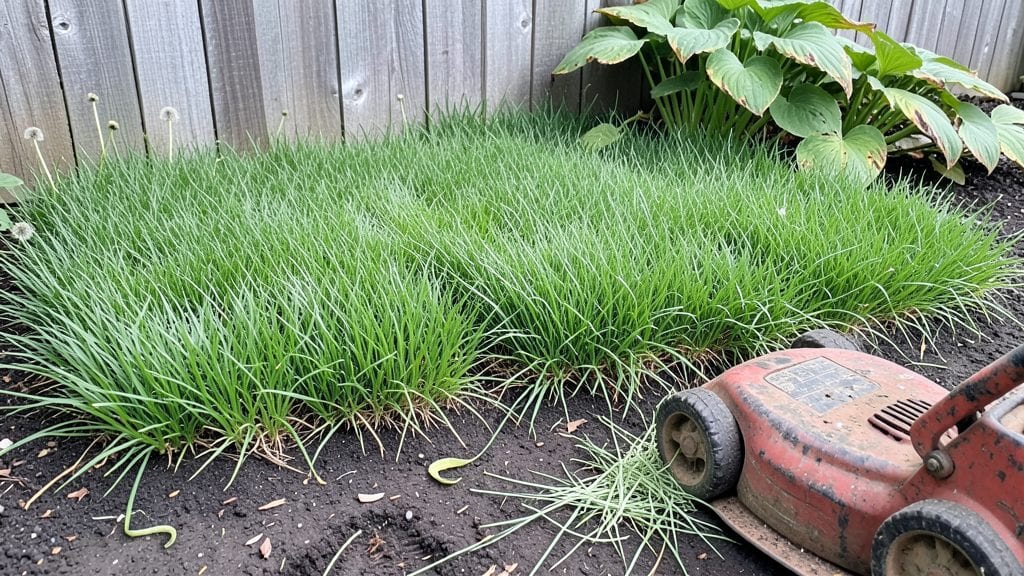
Cutting grass short weakens lawn health by exposing roots to heat and drought, increasing weed growth, and reducing disease resistance. Most grasses thrive at 2.5 to 3.5 inches tall, while shorter cuts (below 2 inches) stress plants and invite pests. Adjust height based on grass type and seasonal conditions.
When you mow grass too short, you’re essentially starving the roots by limiting their access to sunlight and moisture. 🌱 This forces the plant to divert energy upward for regrowth instead of strengthening its root system, making it more vulnerable to drought and heat stress.
I’ve seen lawns recover poorly after aggressive mowing—sometimes taking months to bounce back, especially during hot summers when the soil dries out faster.
Different grass types handle stress differently: cool-season grasses like Kentucky bluegrass need more protection, while warm-season varieties such as Bermuda can tolerate slightly shorter cuts. But even then, cutting below 2 inches risks scalping, which exposes the crown and invites weeds and pests.
Always adjust your mower height based on the season and your grass’s needs.
💡 In This Article
- How Mowing Height Affects Grass Root Systems and Growth
- Seasonal Grass Height Adjustments for Optimal Health
How mowing height affects grass root systems and growth
Grass blades act like solar panels, capturing sunlight for photosynthesis—the process that fuels root growth and nutrient absorption.
When you cut grass too short, you reduce the leaf surface area by up to 75%, slashing the plant's ability to produce energy. 🌿 Deep-rooted grasses like tall fescue (roots up to 4 feet) rely on this photosynthesis to sustain extensive root networks, while shallow-rooted Bermuda grass (roots 6-12 inches) is more resilient but still suffers from reduced energy production.
The damage goes deeper than just aesthetics. Short mowing exposes the crown—the transition zone between roots and blades—where critical growth hormones are produced. This stress triggers a survival response: the grass diverts energy to regrow blades faster, often at the expense of root development.
Studies show that lawns mowed at 1.5 inches can lose 50% of root biomass within weeks, making them more susceptible to drought and heat stress.
Soil moisture retention takes a hit too. Taller grass shades the soil, reducing evaporation rates by 30-40%, while short grass lets sunlight bake the topsoil, accelerating moisture loss.
The microbial activity in the rhizosphere—the zone around roots—also declines, as these beneficial microbes need organic matter from grass clippings to thrive. 🌱 Without this ecosystem support, roots struggle to absorb water and nutrients efficiently.
Consider the difference between cool-season and warm-season grasses: Kentucky bluegrass (deep roots) needs 3-4 inches of height to maintain its root system, while Bermuda grass can tolerate 1-2 inches in summer but still benefits from taller cuts during drought.
The key is matching mowing height to the grass's natural growth habit and seasonal demands.
Here's what happens when you scalp your lawn: the exposed crown becomes a target for pests like chinch bugs, while the weakened roots fail to compete with weeds. Over time, this creates thin, patchy areas that are harder to recover.
The solution? Keep mower blades sharp and maintain consistent height—never remove more than ⅓ of the blade height at once.
Think of grass as a plant with a delicate balance: too short, and it struggles to survive; too tall, and it becomes a haven for pests and diseases. The sweet spot is where the grass can photosynthesize efficiently while maintaining a strong root system—typically 2.5-3.5 inches for most lawns. 💫