
Lawn
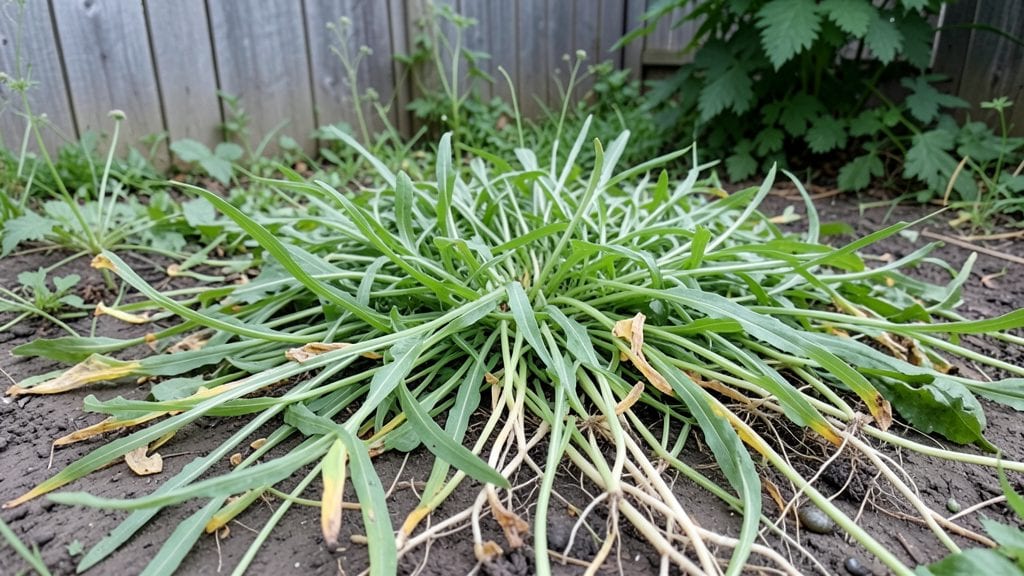
This persistent weed thrives because its sprawling underground stems—called rhizomes—can stretch over 3 feet long, allowing it to regenerate from tiny fragments.
Unlike ornamental grasses, couch grass forms dense patches that choke out lawns and garden plants, making it a common nuisance in temperate climates. 🔥 I’ve seen it take over entire yards within a single season if left unchecked, so early identification is key to preventing a full-blown invasion.
Interestingly, its resilience isn’t just about roots—couch grass also produces seeds that can lie dormant in soil for years, waiting for the right conditions to sprout. That’s why many gardeners swear by a combination of manual removal and pre-emergent herbicides in early spring, when the weed is most vulnerable.
💡 In This Article
- How to Identify Couch Grass in Lawns
- Effective Couch Grass Removal Methods
How to identify couch grass in lawns
Couch grass stands out from desirable turfgrass because of its distinctive leaf structure and growth habits. The leaves are typically 3-12 inches long, ¼ to ½ inch wide, and have a slightly rough texture with visible veins running parallel to the edges.
Unlike smooth-bladed grasses like Kentucky bluegrass, couch grass leaves often have a slight blue-green tint and a rolled or folded appearance when young. This rolled growth pattern helps distinguish it from flat-leaved weeds like crabgrass.
The real giveaway is its rhizome system—thick, horizontal underground stems that can extend 3-6 feet beneath the soil surface. When you dig up a patch, you'll often find these white or pale brown rhizomes, which can regenerate into new plants if left even 1 inch long.
This is why pulling it by hand rarely works—you need to remove the entire rhizome to prevent regrowth. 🌱 Bermuda grass, by comparison, has stolons (above-ground runners) rather than deep rhizomes, making couch grass easier to spot if you know what to look for.
Another key difference is how couch grass forms dense, clumpy patches that often appear thicker and more vigorous than surrounding lawn grass. These patches may also have a slightly uneven texture, with some areas growing taller than others.
In late spring or summer, you might notice small, ½-inch seed heads that resemble tiny wheat stalks, though these are less common in established infestations where the plant relies on rhizomes for spread.
To avoid confusing it with other weeds, compare it to crabgrass, which has broad, flat leaves and grows in a more scattered pattern. Crabgrass also lacks the deep rhizome system, so pulling it out usually removes the entire plant.
Meanwhile, couch grass's resilience comes from its ability to sprout from even small rhizome fragments, which is why it's often called the "world's worst weed" by gardeners. 💪 The underground network can also make it harder to kill with herbicides, as the chemical must penetrate deep enough to reach the roots.
If you're still unsure, try the "dig test": gently pull up a small section of the suspected grass. If you uncover thick, white rhizomes or if the plant pulls out easily but regrows quickly, it's likely couch grass.
This test works best in early spring when the plant is actively growing and the rhizomes are more visible. For a more precise identification, you can snap off a leaf and examine the base—couch grass leaves often have a hollow stem at the base, unlike many ornamental grasses.
One final tip: couch grass often thrives in compacted or poorly drained soil, where other grasses struggle. If you notice a patch growing in an area where your lawn looks thin or spongy, that's another red flag.
Addressing soil compaction with aeration can sometimes weaken its dominance, giving your desired grass a fighting chance. ✨