
Lawn
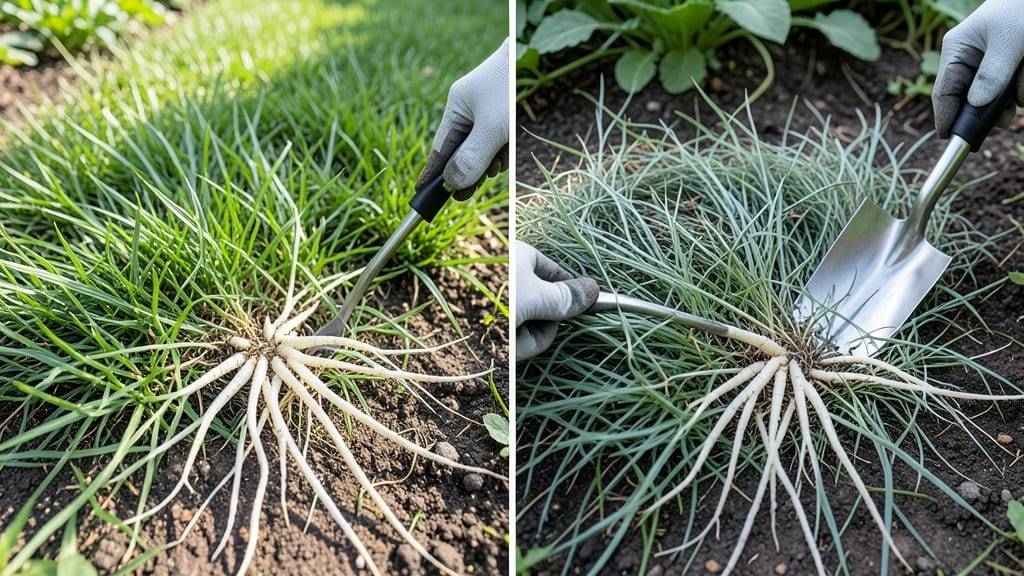
Couch grass in lawns isn’t just a weed—it’s a relentless invader that chokes out your grass and spreads faster than you can pull it. 🌱 I’ve battled it for years, and the vinegar-salt combo finally gave me the upper hand.
This solution doesn’t just kill the grass on contact; it prevents regrowth by disrupting its deep roots. The secret lies in the timing and mix: apply it on a dry, sunny day when the grass is actively growing.
You’ll need white vinegar (20% acetic acid), salt, and dish soap for adhesion. Within 24-48 hours, you’ll see the grass turn brown and crispy—no more digging or pulling. What you’ll end up with is a lawn where your grass thrives, not a battleground.
The treated area stays weed-free for months, and your grass recovers stronger than before. Just be patient—full regrowth takes 4-6 weeks, but it’s worth it. Works for any lawn type, whether you’re dealing with a small patch or a full yard takeover.
Here’s how to do it right the first time.
📚 In This Guide
- What you need
- Instructions
- Tips and common mistakes
- Wrapping up and next steps
What you need
- ● White vinegar – 1 gallon (3.8 liters) (ensure it’s 5% to 10% acetic acid for effectiveness).
- ● Salt – 1 to 2 cups (non-iodized table salt or rock salt).
- ● Water – 1 gallon (3.8 liters) (for dilution, if needed).
- ● Spray bottle or garden sprayer – A 1-gallon handheld sprayer works best for even coverage.
- ● Garden trowel or hand fork – For digging out deep roots or stubborn patches.
- ● Gloves – A pair of nitrile or rubber gloves to protect your hands from salt and vinegar.
- ● Hose with a nozzle – For rinsing tools and prepping the lawn.
- ● Lawn mower – Set to a high mowing height (3-4 inches) to avoid stressing healthy grass.
- ● Dish soap – 1 tablespoon (adds to the vinegar solution for better adhesion).
- ● Boiling water – For spot-treating small couch grass patches.
- ● Mulch or grass seed – To reseed bare spots after treatment.
- ● Soil test kit – To check pH levels post-treatment (ideal lawn pH: 6.0-7.0).
- ● Weed barrier fabric – For preventing regrowth in high-risk areas.
Step-by-step instructions for eliminating couch grass in your lawn
This method works—just follow the steps carefully and you'll see results within weeks.
🌱 Step 1: Identify and Mark the Couch Grass
Couch grass (also called Bermuda grass) spreads aggressively through underground runners, so spot every patch before treating. Walk your lawn and look for thick, green clumps with a wiry texture that resists mowing. Mark each section with small flags or spray paint to avoid missing any spots later.
Dig up a small section to check for rhizomes—the thick, white roots that spread horizontally. If you see these, you'll know you need thorough treatment. I recommend doing this on a dry day so the soil is easier to work with, and wear gloves to avoid skin irritation from the sharp grass blades.
💧 Step 2: Apply the Vinegar-Salt Solution
Mix 1 gallon of white vinegar (5% acetic acid), 1 cup of salt, and 1 tablespoon of dish soap in a spray bottle. The vinegar kills the grass by dehydrating it, the salt prevents regrowth, and the dish soap helps the solution stick to the blades. Shake well before applying—this mixture is potent, so wear gloves and eye protection.
Spray the solution directly onto the couch grass until the leaves are completely saturated, but avoid spraying healthy lawn areas. For large patches, use a pump sprayer for even coverage. The grass will start wilting within 24-48 hours, and you'll see full browning in 3-5 days. Reapply if any green spots remain after a week.
✂️ Step 3: Remove Dead Grass and Prevent Regrowth
Once the couch grass has turned brown and crispy (usually 7-10 days after treatment), use a garden rake or shovel to pull up the dead material. Dig deep to remove any remaining rhizomes—these can regrow if left in the soil. Fill the holes with fresh topsoil or compost to discourage new growth.
For stubborn patches, repeat the vinegar-salt treatment after 2 weeks to ensure all rhizomes are killed. Avoid mowing the treated area until the grass is fully dead and removed. After removal, overseed the bare spots with your preferred grass seed to restore your lawn.
☀️ Step 4: Monitor and Maintain the Lawn
Keep an eye on the treated areas for 4-6 weeks to catch any new couch grass sprouts early. If you see any green shoots, treat them immediately with the vinegar-salt solution. Water your lawn normally, but avoid overwatering the newly seeded areas—this helps prevent couch grass from taking hold again.
To prevent future invasions, mow your lawn regularly at 3-4 inches to weaken couch grass before it spreads. Aerate your lawn annually to improve soil health and make it harder for weeds like couch grass to establish roots. A healthy lawn is the best defense against invasive grasses.
Tips & tricks for eliminating couch grass
Here's what nobody tells you about getting rid of couch grass for good.
Timing is Everything: The 24-48 hour window after spraying is critical—this is when the vinegar starts actively dehydrating the grass. If you apply the solution in the late afternoon, you'll see wilting by morning, but if you spray in the evening, you might miss the optimal drying period. Watering the lawn immediately after treatment can dilute the solution, so hold off until you see the first signs of browning.
Rhizome Removal is Non-Negotiable: I learned this the hard way after treating a patch only to see it sprout back. When you dig up the dead grass, check the soil for those white, stringy rhizomes—they can survive even after the grass above dies. Use a garden fork to loosen the soil around the edges of treated areas to catch any hidden runners you might miss at first glance.
Weather Matters More Than You Think: The vinegar-salt solution works best in dry, sunny conditions. If rain is forecast within 48 hours of application, either delay treatment or cover the area with a tarp to protect the solution. Humidity can also reduce effectiveness, so avoid treating during damp mornings or after heavy dew. I've found that treating on a warm, breezy day gives the best results.
Prevention is Your Best Tool: After you've eliminated the couch grass, focus on maintaining a healthy lawn. Regular mowing at 3-4 inches keeps the grass strong and shades out new couch grass sprouts. Aerating your lawn annually improves soil health and makes it harder for weeds to take root. I've seen couch grass return in lawns that weren't properly maintained after treatment—don't let that happen to you!
Pro Tips for Couch Grass In Lawn
- Here's what nobody tells you about getting rid of couch grass for good.
- Timing is Everything: The 24-48 hour window after spraying is critical—this is when the vinegar starts actively dehydrating the grass.
- Rhizome Removal is Non-Negotiable: I learned this the hard way after treating a patch only to see it sprout back.
Frequently asked questions
Got questions about tackling couch grass in your lawn? You’re not alone!
Here are some of the most common concerns—and straightforward answers to help you banish this stubborn weed for good.
How do I know if I have couch grass vs. regular grass?
Couch grass (also called Elymus repens or quack grass) has long, creeping rhizomes (underground stems) that spread aggressively. Unlike clover or regular grass, it grows in dense patches with flat, ribbed leaves and seed heads that resemble wheat. Pull up a small section—if you see a thick, fibrous root system, it’s likely couch grass.
How long does it take for vinegar and salt to kill couch grass?
The vinegar-salt solution works fast, but results vary based on weather and grass health. You’ll often see visible wilting within 24–48 hours, with full death in 1–2 weeks. For stubborn patches, reapply after 7–10 days. Pro tip: Do this on a sunny, wind-free day to maximize effectiveness.
Will vinegar and salt harm my existing lawn?
Yes, but you can minimize damage by targeting only the couch grass and avoiding healthy grass. Use a spray shield (like a piece of cardboard) to protect surrounding turf. For extra safety, try a diluted vinegar mix (1:1 with water) first. Warning: Salt can dry out soil—water thoroughly after treatment.
What’s a natural alternative if vinegar and salt don’t work?
If couch grass persists, try these organic methods:
- Corn gluten meal (pre-emergent herbicide for new growth).
- Boiling water (pour directly on roots for small patches).
- Smothering with thick mulch or cardboard for 4–6 weeks.
- Hand-pulling (best in spring or fall when soil is moist).
For large infestations, consider professional herbicides like glyphosate (use carefully!).
Why does couch grass keep coming back after treatment?
Couch grass spreads via rhizomes, so even small root fragments can regrow. To prevent recurrence:
- Remove all visible rhizomes (dig deep—up to 12 inches!).
- Avoid tilling (it spreads rhizomes further).
- Reseed bare spots with dense, competitive grass (like tall fescue).
- Apply pre-emergent herbicide in early spring to block regrowth.
Pro tip: Stay vigilant—check for new shoots monthly for the first year.
Wrapping up and next steps
Saying goodbye to couch grass in your lawn doesn’t have to be a battle—it’s all about the right strategy! With a simple vinegar-salt solution and consistent effort, you can reclaim your yard and enjoy a lush, weed-free space. Remember, patience and persistence are key, so don’t rush the process.
Ready to take action? Grab your supplies, roll up your sleeves, and start treating those stubborn patches today! 🌱 Your dream lawn is just one spray away!