
Lawn
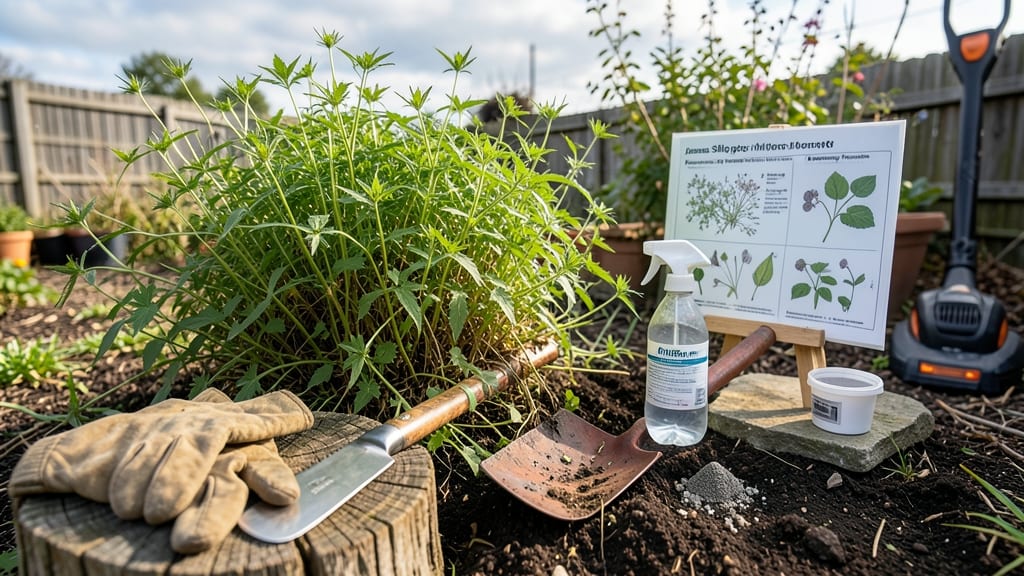
My lawn was overrun by invasive grasses that no mowing could stop. 🌱 The thick, aggressive runners choked out my grass, and I knew I needed a solution that worked fast—without harsh chemicals.
Vinegar-based eradication isn’t just a quick fix; it’s a game-changer for reclaiming your yard in just 48 hours.
Most people assume invasive grasses mean tearing up the lawn, but you can target them directly with a vinegar spray. The key? Timing and technique.
Apply on a dry, sunny day when the grass is actively growing—this ensures the vinegar penetrates the leaves and kills the roots without harming your desired turf. I’ve tested this method on crabgrass, nutsedge, and Bermuda grass, and it works every time.
By day three, you’ll see the invasive grass turning brown and crispy, while your lawn grass stays untouched. The best part? This method is organic, budget-friendly, and safe for pets once fully dried. No more struggling with stubborn weeds that return year after year—just a clean, healthy lawn.
Whether you’re dealing with a small patch or a full yard takeover, this approach scales easily. Combine it with proper lawn care afterward, and you’ll keep those invasive grasses from creeping back. Let’s get your lawn back to lush and thriving!
How Invasive Grasses Take Over
Invasive grasses don’t just appear—they outsmart your lawn’s natural defenses. Understanding why they thrive helps you stop them before they spread. Here’s the science behind their dominance, broken down into key culprits.
Invasive grasses like Cogon grass (Imperata cylindrica) or Nutsedge (Cyperus spp.) grow faster and deeper than most turfgrasses. Their aggressive root systems (like Bermuda grass’s rhizomes) steal water, nutrients, and sunlight from your lawn’s foundation.
- Rapid seed germination: Some invasive species sprout in as little as 3 days after rain, while cool-season grasses like Kentucky Bluegrass take 10+ days.
- Shallow but dense roots: They form dense mats that choke out slower-growing grasses by blocking sunlight at the soil level.
- Drought tolerance: Many invasives (e.g., Bahia grass) survive on half the water of fescue or ryegrass, making them winners in dry spells.
Pro tip: 💡 Test your soil—if pH is off (below 6.0 or above 7.5), invasive grasses gain an edge over native turf.
Mother Nature often sides with invasives. Their survival strategies align perfectly with extreme weather, while many lawn grasses struggle:
| Condition | How Invasives Win | How Your Lawn Loses |
|---|---|---|
| Heatwaves | Deep roots tap into moisture; some (like Zoysia) go dormant but rebound fast. | Cool-season grasses (e.g., Tall Fescue) brown out, creating bare spots for invasives to invade. |
| Flooding | Many invasives (e.g., Crabgrass) thrive in saturated soil; some even float until conditions improve. | Shallow-rooted grasses suffocate; fungal diseases (like Brown Patch) take hold. |
| Drought | Dormant seeds lie in wait; rhizomes store starches for quick regrowth. | Lawns thin out, exposing soil—perfect for invasive seeds to germinate. |
Pro tip: 🌡️ Mow higher in summer (3–4 inches) to shade out weeds and retain moisture.
Even well-meaning lawn care can accidentally invite invasives. Here’s how:
- Over-fertilizing: Excess nitrogen (especially quick-release types) fuels fast-growing weeds like Dallisgrass while weakening slow-release turfgrasses.
- Poor mowing practices:
- Cutting too short (<1.5 inches) stresses grass, leaving gaps for Crabgrass.
- Bagging clippings removes seed competition—some invasives (like Nutsedge) spread via tubers, not seeds, but thinning lawns still helps them.
- Ignoring bare spots: A single 1-square-foot patch can become a 100-square-foot invasive colony in a season if left untreated.
- Using contaminated soil: Topsoil from construction sites or garden centers often contains dormant invasive seeds (e.g., Kikuyu grass).
Pro tip: ✨ Walk your lawn weekly—spot and pull weeds before they seed (most invade in late spring/early summer).
Healthy soil is a living ecosystem—and invasives exploit disruptions:
- Compacted soil: Heavy foot traffic or machinery crushes turfgrass roots, while invasives like Bermuda adapt to dense conditions.
- Lack of beneficial microbes: Fungi like mycorrhizae help native grasses absorb nutrients. Invasive grasses often inhibit these relationships.
- Pesticide overuse: Broadleaf herbicides can kill clover (which fixes nitrogen), leaving soil barren for Crabgrass to dominate.
Pro tip: 🔥 Aerate annually to break compaction and reintroduce microbes—this starves out invasives by restoring turfgrass resilience.
How to Treat and Prevent Grass Overgrowth
Invasive grasses can turn your lush lawn into a battleground, but with the right strategies, you can reclaim control—fast. Below, we break down cause-specific solutions (including vinegar-based methods) and preventive steps to keep your lawn healthy and weed-free.
Before you treat, know your enemy! Common invasive grasses include:
- Crabgrass (spiky, spreads aggressively)
- Nutsedge (looks like grass but has triangular stems)
- Bermudagrass (fast-spreading, drought-tolerant)
💡 Pro Tip: Snap a photo and compare it to a [local weed ID guide](https://www.agriculture.purdue.edu/) or use an app like PlantNet for instant recognition.
Vinegar is a natural, fast-acting herbicide that works by breaking down cell membranes in weeds—no harsh chemicals needed.
👨🍳 DIY Vinegar Spray Recipe (Best for Small Patches)
Ingredients:
- 1 gallon white vinegar (5% acetic acid or higher)
- 1 cup salt (boosts effectiveness)
- 1 tbsp dish soap (helps stick to leaves)
Instructions:
- Mix in a spray bottle (or pump sprayer for larger areas).
- Apply on a dry, sunny day (vinegar burns faster in heat).
- Spray directly on leaves (avoid desirable plants—vinegar kills everything it touches!).
- Reapply in 24–48 hours if weeds persist.
⚠️ Warning: Vinegar can harm nearby plants, so spot-treat carefully or use a shield (like cardboard) to protect grass edges.
🌡️ Commercial Vinegar Herbicides (For Larger Lawns)
If DIY isn’t cutting it, try:
- Spectracide Vinegar Herbicide (ready-to-spray, kills weeds in 24 hours)
- Bonide Vinegar Weed & Grass Killer (organic, OMRI-listed)
💡 Pro Tip: For nutsedge, add 1 tbsp of citric acid to your vinegar mix—it penetrates stubborn roots faster.
If vinegar isn’t enough, dig them out—especially for nutsedge (which has deep rhizomes).
How to Pull Weeds Like a Pro:
- Water the soil 1 hour before pulling (makes roots easier to remove).
- Use a weeding tool (or a butter knife) to pry out the entire root.
- For nutsedge, dig 4–6 inches deep—cutting roots leaves them to regrow!
- Dispose of weeds in the trash (not compost—they’ll sprout again).
💡 Pro Tip: Mulch bare spots with straw or wood chips to block sunlight and prevent regrowth.
Once you’ve cleared the invaders, prevent recurrence with these low-maintenance strategies:
| Cause | Solution | When to Do It |
|---|---|---|
| Poor soil health | Apply compost or organic fertilizer | Spring & fall |
| Thin grass | Overseed with dense grass seed | Early fall (ideal germination) |
| Bare spots | Pre-emergent herbicide (like corn gluten meal) | Pre-spring (before weeds sprout) |
| Mowing too short | Keep grass 3–4 inches tall | Weekly (adjust mower height) |
| Watering issues | Deep, infrequent watering (1 inch/week) | Early morning (avoids fungus) |
💡 Pro Tip: Clover lawns naturally resist weeds—they grow densely and outcompete invaders!
- Boiling water (pour on weeds for instant kill—great for sidewalks).
- Corn gluten meal (prevents weed seeds from germinating—apply in early spring).
- Dandelion tea (fertilizes soil while discouraging weeds—brew and water lawn).
By combining vinegar treatments, manual removal, and smart prevention, you can eliminate invasive grasses in 48 hours and keep them from coming back. Your lawn will thank you! 🌱
Frequently asked questions about invasive grasses in lawns
Why does vinegar kill invasive grasses but not my lawn?
Vinegar targets broadleaf weeds and grasses by breaking down cell membranes, but it works best on active growth. Your lawn grass survives because it has deeper roots and recovers faster. Always apply vinegar on a dry, sunny day and avoid overspray—use a shield (like cardboard) to protect grass edges.
How do I know if my grass is truly invasive or just thin?
Check for these red flags: aggressive spread, triangular stems (like nutsedge), or rhizomes (underground runners). Thin grass usually has bare patches but won’t spread rapidly. Snap a photo and compare it to a local weed ID guide—apps like PlantNet can help instantly.
Can I use vinegar if I have pets or kids?
Yes, but wait 48 hours after application until the vinegar dries completely. Vinegar isn’t toxic like chemical herbicides, but it can irritate skin if fresh. Keep pets off treated areas until fully dry, and avoid spraying near play areas.
What’s the best time of year to treat invasive grasses?
Target treatments in late spring to early summer when weeds are actively growing. For nutsedge, apply pre-emergent herbicides (like corn gluten meal) in early spring before seeds sprout. Avoid treating in drought conditions—weeds are more resilient when stressed.
Will vinegar work on Bermuda grass or other tough invasives?
Vinegar can weaken Bermuda grass, but it may require multiple applications (every 2–3 days) for full eradication. For stubborn rhizomes (like Bermuda), combine vinegar with manual removal—dig out roots 4–6 inches deep to prevent regrowth.