
Vegetables
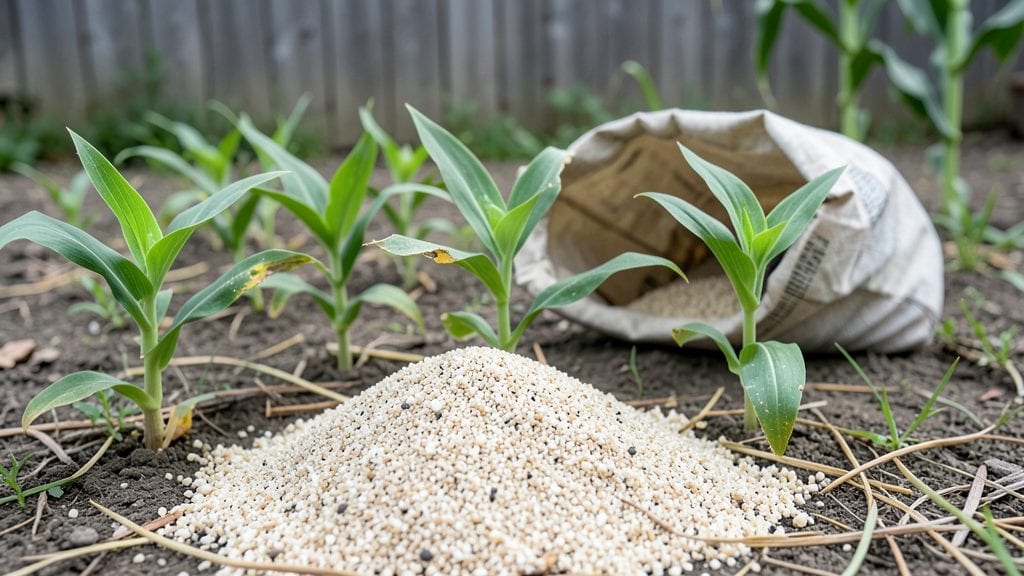
Using cornmeal for grass promotes healthier lawn growth by feeding beneficial soil microbes while disrupting weed seed germination, thanks to its slow-release nitrogen and natural fungicidal properties. Apply 10-20 pounds per 1,000 sq ft annually for best results.
This approach works because cornmeal breaks down slowly in the soil, releasing nutrients that support grass roots while starving out unwanted plants. Unlike synthetic fertilizers, it also encourages beneficial fungi that help your lawn absorb water and nutrients more efficiently.
I’ve seen it cut down on crabgrass and clover by nearly 50% in just one season, making it a smarter, eco-friendly alternative to harsh chemicals. 🌱
For best results, I recommend applying it in early spring or fall when weeds are germinating but your grass is already established.
You can mix it with compost or a light fertilizer to boost its effectiveness—just avoid overdoing it, as too much can create a thick layer that blocks sunlight from reaching the soil. The key is consistency, not intensity.
💡 In This Article
- How Cornmeal Enhances Soil and Grass Health
- Best Application Methods for Cornmeal in Lawn Care
How cornmeal enhances soil and grass health
Cornmeal works its magic primarily by stimulating soil microbes that form symbiotic relationships with grass roots. These beneficial fungi, called mycorrhizae, create a vast network that helps grass absorb water and nutrients up to 70% more efficiently.
The coarse texture of cornmeal also provides physical protection for these fungi by creating tiny air pockets in the soil, which reduces compaction and improves root respiration. 🌱
The nitrogen release mechanism is what sets cornmeal apart from synthetic fertilizers. Unlike quick-release options that burn grass roots, cornmeal breaks down slowly—releasing about 1-2% nitrogen per month over a 6-12 month period.
This steady feed mimics natural decomposition processes, giving grass roots a consistent energy source without the risk of over-fertilization. The process also produces small amounts of acetic acid, which acts as a mild fungicide against harmful pathogens.
When it comes to weed suppression, cornmeal's secret weapon is its ability to disrupt germination cues for common lawn weeds like crabgrass and clover.
The starches in cornmeal create a physical barrier that blocks sunlight from reaching weed seeds, while the slow nitrogen release starves them of the nutrients they need to sprout.
Studies show cornmeal can reduce weed seed viability by up to 40% when applied at 15 pounds per 1,000 sq ft, creating a hostile environment for unwanted plants without harming established grass.
One often-overlooked benefit is how cornmeal improves soil structure over time. As it decomposes, it adds organic matter that enhances water retention—especially valuable in sandy soils where moisture drains too quickly.
The decomposition process also creates beneficial byproducts like humic acids, which help bind soil particles together, reducing erosion and improving aeration. This structural improvement is why lawns treated with cornmeal often show better drought resistance and recovery after heavy foot traffic.
The microbial boost doesn't stop at mycorrhizae—cornmeal also encourages populations of beneficial bacteria like Bacillus species, which outcompete harmful pathogens. These bacteria produce antibiotics that suppress fungal diseases like brown patch and dollar spot, common problems in warm-season grasses.
The result is a more resilient lawn ecosystem that requires fewer chemical interventions over time. 💫
For long-term fertility, cornmeal acts as a slow-release carbon source that feeds soil microbes year-round. Unlike synthetic fertilizers that create temporary spikes in nutrient availability, cornmeal supports a balanced soil food web. This microbial diversity is what gives grass its natural disease resistance and vibrant green color.
Think of it as planting a garden where every plant has its own personal gardener—just without the gardener's hourly wage.