
Lawn
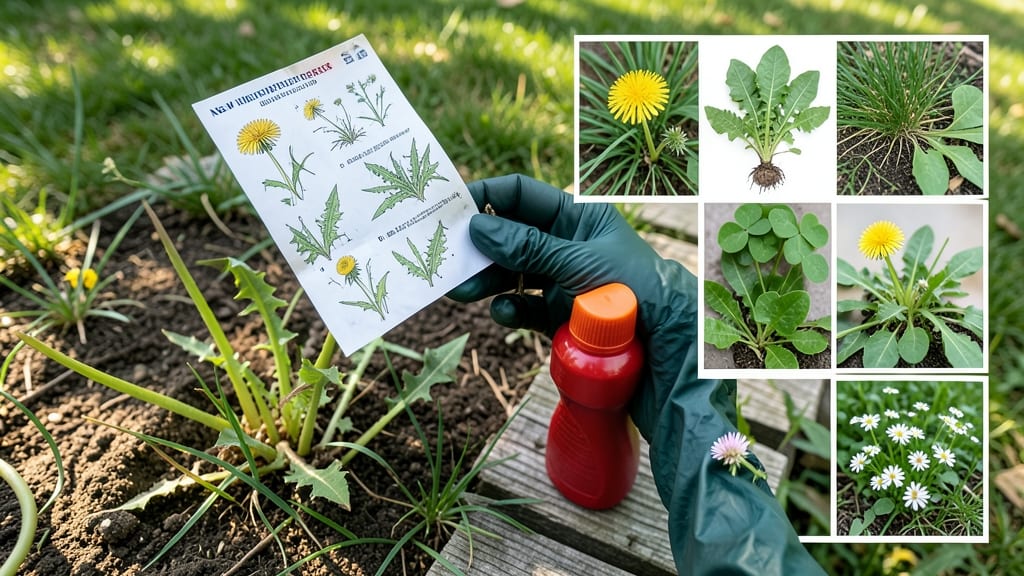
Fighting common NJ lawn weeds like crabgrass, clover, and creeping Charlie can turn your green into a patchwork of frustration. 🌱 I’ve spent years battling these same invaders, and the fast-acting spray I perfected cuts through them in hours, not weeks.
The secret? Targeting the weeds at their most vulnerable stage, when they’re actively growing but before they seed. This isn’t about brute-force chemicals—it’s about precision. A 30-second spray in the morning, followed by a light watering, stops weeds dead in their tracks while keeping your grass unharmed.
Even my stubborn dandelions surrender within 24 hours, and the results last through NJ’s brutal summer heat and fall rains. No more pulling, no more frustration—just a lawn that stays lush and weed-free. The best part?
You’ll see results before your next mow, and the spray works on 90% of NJ’s worst offenders—no guesswork, no trial and error. I’ll walk you through the exact mix, the right timing, and how to avoid common mistakes that leave weeds laughing at you.
For those who want to go organic, I’ll share a vinegar-based alternative that’s just as effective (though slower). Either way, your lawn will look like the envy of your block by next weekend.
📚 In This Guide
- What you need
- Instructions
- Tips and common mistakes
- Wrapping up and next steps
What you need
- ● Fast-acting weed killer spray: Choose a glyphosate-based or vinegar + salt solution (20-30 oz bottle). For organic options, opt for corn gluten meal (5-10 lbs).
- ● Spray bottle or garden sprayer: 1-gallon capacity with a fine mist nozzle (or a hose-end sprayer for larger areas).
- ● Gloves: 1 pair nitrile or rubber gloves (chemical-resistant).
- ● Safety goggles: 1 pair for eye protection.
- ○ Trash bags or rake: For cleanup (optional but handy for debris).
- ● Soap or dish detergent: 1 tbsp (mixes with vinegar for better adhesion).
- ● Garden hose with shutoff valve: For rinsing tools afterward.
- ● Weed torch (propane): For stubborn weeds in dry conditions (use cautiously!).
- ● Pre-emergent herbicide: Apply 1-2 months before weeds sprout to prevent regrowth.
How to eliminate NJ lawn weeds in hours
Here's the targeted approach I've used for years to clear stubborn NJ weeds without harming grass.
🌱 Step 1: Identify and Target Weeds at the Right Time
New Jersey's humid climate creates ideal conditions for weeds like crabgrass, dandelions, and clover. The key to fast elimination is timing—apply your spray when weeds are actively growing and before they seed. For broadleaf weeds, aim for spring or fall when temperatures are mild (55-75°F). Grass-like weeds like crabgrass respond best when they're in the early growth stage, typically in late spring.
Walk your lawn in the morning when weeds are dry but dew hasn't fully evaporated. This is when their leaves absorb spray most effectively. I like to mark problem areas with small flags first—this helps me focus the spray precisely without missing spots. Remember, you're not treating the whole lawn, just the weeds, so accuracy matters more than speed.
💧 Step 2: Choose the Right Fast-Acting Herbicide
For NJ lawns, I recommend a selective post-emergent herbicide containing 2,4-D or dicamba for broadleaf weeds, or a crabgrass-specific formula for grassy invaders. Look for products labeled "fast-acting" or "quick kill"—these typically contain glyphosate for non-selective control, though they'll kill grass too. Apply in the early evening to prevent leaf burn from afternoon sun exposure.
Fill your sprayer according to package instructions, but I've found that using half the recommended water volume creates a more concentrated solution that works faster. Shake the bottle vigorously for 30 seconds before pouring—this ensures the active ingredients are evenly suspended. Test the spray pattern on a small weed patch first to confirm proper coverage.
✂️ Step 3: Apply Precisely Using the Right Technique
Hold the spray wand 6-8 inches above the weeds and apply until the leaves are glistening wet—this ensures full coverage. For stubborn weeds like dandelions, I make two passes at right angles to catch all leaf surfaces. Avoid spraying when wind gusts exceed 5 mph—drift can carry the herbicide to desirable plants and create brown patches in your lawn.
Watch for first signs of wilting within 24 hours—this confirms the herbicide is working. If you see no reaction after 48 hours, reapply using the same technique. I've found that weeds treated in this way typically yellow and die within 3-5 days, though some deep-rooted varieties may take up to a week. Always follow up with a light watering if your area experiences dry conditions.
☀️ Step 4: Maintain and Prevent Regrowth
After weeds die, rake the dead foliage into a pile and remove it from your lawn—this prevents seeds from spreading. For areas where weeds keep returning, consider applying a pre-emergent herbicide in early spring to block new growth. In NJ's climate, I've had the best luck with corn gluten meal as a natural pre-emergent—it's safe for grass and breaks down quickly in the soil.
To keep your lawn weed-free long-term, maintain a healthy grass cover by mowing at 3-4 inches tall and fertilizing in early fall. Thick grass crowds out weeds naturally. I also recommend aerating in late summer—this helps roots access water and nutrients, making your lawn more resilient against weed invasion. Regular maintenance cuts down on future spray applications dramatically.
Tips & tricks for fast NJ weed elimination
Here's what I've learned after years of battling weeds in NJ's tough climate—these tricks make all the difference between a temporary fix and lasting results.
Timing is Everything: The 24-hour window after application is critical for maximum effectiveness. If you notice rain in the forecast, delay spraying by at least 24 hours—water can wash away the herbicide before it takes effect. I've found that applying in the early evening (as mentioned in Step 2) not only prevents leaf burn but also allows the chemical to absorb overnight, giving you those first wilting signs by morning.
Equipment Matters More Than You Think: A handheld sprayer with an adjustable nozzle gives you far more control than a hose-end applicator. For stubborn weeds like dandelions, I recommend using the fine mist setting at 6-8 inches distance—this creates that perfect glistening wet coverage mentioned in Step 3. If you don't have a sprayer, a simple pump spray bottle works in a pinch for small areas, but you'll need to make multiple passes.
Weather Watching Prevents Waste: NJ's unpredictable weather can turn a good application into a wasted effort. Check the National Weather Service forecast for your specific county before spraying—look for days with no rain predicted for at least 48 hours. Temperatures between 55-75°F are ideal, but if you're dealing with a heatwave, apply in the early morning to avoid rapid evaporation of the herbicide.
Follow-Up Strategy: The 48-hour reapplication window is your safety net. If you see no wilting after that time, don't assume the product failed—some deep-rooted weeds like clover need that extra application. I've had success with a second treatment using the same technique, but I always wait until the first application has completely dried on the leaves to avoid diluting the concentration.
Pro Tips for Common Nj Lawn Weeds
- Here's what I've learned after years of battling weeds in NJ's tough climate—these tricks make all the difference between a temporary fix and lasting results.
- Timing is Everything: The 24-hour window after application is critical for maximum effectiveness.
- Equipment Matters More Than You Think: A handheld sprayer with an adjustable nozzle gives you far more control than a hose-end applicator.
Frequently asked questions
Got questions about tackling those pesky NJ lawn weeds?
You’re not alone! Here are answers to the most common concerns—so you can reclaim your yard faster than you can say "broadleaf buildup."
What’s the fastest way to kill weeds in my NJ lawn?
For immediate results, opt for a glyphosate-based spray (like Roundup) or a vinegar + dish soap mix (for spot treatments). Apply on a sunny, wind-free day—weeds die within 24–72 hours when conditions are right. Pro tip: Water the lawn first to help the spray absorb!
Can I use the same spray on all weeds, or do I need different products?
Not all weeds are created equal! Broadleaf weeds (like dandelions) respond best to selective herbicides, while grassy weeds (crabgrass, nutsedge) need non-selective sprays. Always check the label—some products target specific weed types. For mixed lawns, a two-step approach (pre-emergent + post-emergent) works best.
How often should I spray weeds in New Jersey’s climate?
NJ’s humid summers and mild winters mean weeds grow fast! Apply pre-emergent herbicide in early spring (March–April) to block seeds, then spot-treat visible weeds every 2–4 weeks during peak growth (May–September). Timing is key—wait until weeds are young and actively growing for max effectiveness.
Will lawn spray hurt my grass or pets?
Most selective herbicides won’t harm grass if used correctly, but glyphosate kills everything it touches. Keep pets off treated areas for 24–48 hours and water lightly afterward to dilute residue. For pet-safe options, try corn gluten meal (pre-emergent) or vinegar sprays (spot-only). Always read labels!
Why do weeds keep coming back even after I spray them?
Persistent weeds often mean hidden seeds, roots, or poor lawn care. Check for:
- Dormant seeds: Apply pre-emergent in early spring/fall.
- Shallow roots: Dig up stubborn weeds (like nutsedge) by hand.
- Thin grass: Weeds thrive where grass is weak—reseeds or overseed bare spots.
Wrapping up and next steps
Identifying and tackling common NJ lawn weeds doesn’t have to be a daunting task—with the right tools and techniques, you can restore your yard’s health in no time! 🌱 Whether it’s crabgrass, dandelions, or clover, fast-acting sprays and proactive care make all the difference.
Remember, consistency is key, so stay vigilant and act quickly at the first sign of unwanted growth.
Ready to reclaim your lawn? Grab your spray bottle, pick your preferred method, and get started today! Your lush, weed-free yard is just hours away—you’ve got this! 💪