
Lawn
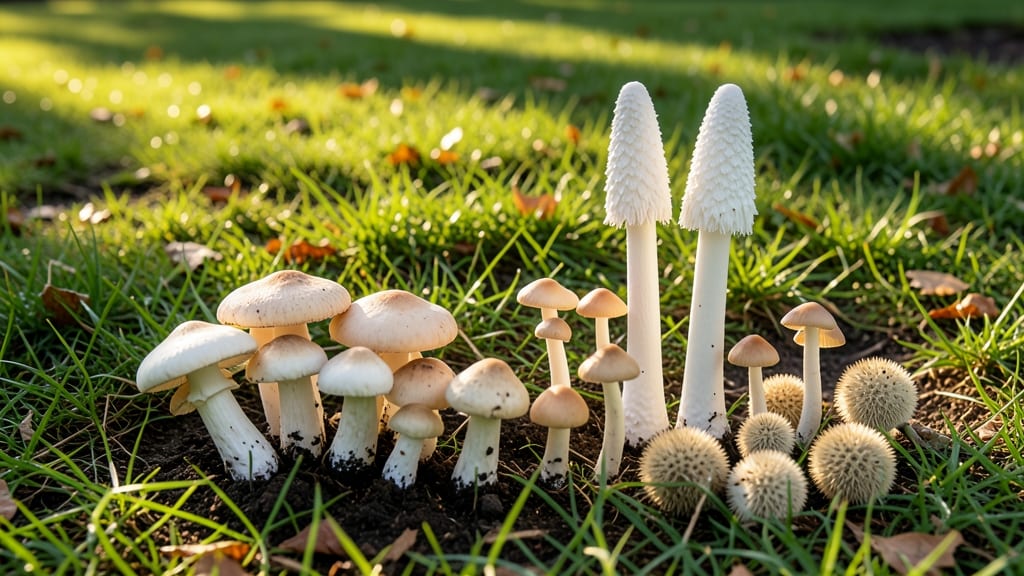
That mysterious patch of common lawn mushrooms popping up in your lawn isn’t just weird—it’s a sign your soil’s trying to talk. 🌱 I’ve wrestled with fairy rings and random mushroom clusters, and the good news is you can remove them without wrecking your grass.
The secret lies in understanding what’s really going on underground and how to fix it without harsh chemicals.
Most lawn mushrooms appear when buried wood or old roots decompose, creating the perfect conditions for these fungi to sprout. They’re rarely harmful to grass, but they can signal compacted soil or poor drainage—problems that actually help mushrooms thrive.
The key is addressing the root cause while removing the visible mushrooms cleanly, so your lawn stays lush and fungus-free.
You’ll learn how to identify safe vs. toxic species (yes, some are dangerous), the best organic removal methods that won’t leave scars, and simple fixes to prevent them from returning. No more ugly patches or chemical battles—just a lawn that stays healthy and green, year after year.
Whether you’re dealing with a single cluster or a full fairy ring, these steps work for any yard size or grass type. Let’s get your lawn back to looking pristine—without the mysterious mushroom surprises.
📚 In This Guide
- What you need
- Instructions
- Tips and common mistakes
- Wrapping up and next steps
What you need
- ● Gloves (waterproof, long-sleeved): 1 pair (to protect against spores and moisture).
- ● Garden trowel or small shovel: 1 (for digging out mushroom clusters).
- ● Trash bags (heavy-duty, sealed): 2–3 (for disposal—double-bagging prevents spores from spreading).
- ● Hose with nozzle (or watering can): 1 (to dampen the area before removal).
- ● Bleach or vinegar (1:10 ratio with water): 1 gallon (for sanitizing tools and the area post-removal).
- ● Rake (with stiff bristles): 1 (to loosen soil around mushrooms and clear debris).
- ○ Pruners (optional but helpful): 1 pair (for trimming stubborn stems or nearby weeds).
- ● Mushroom identification guide (app or book): To confirm if the fungi are harmless (e.g., Agaricus species) or toxic (rare but possible).
- ● Compost bin (with lid): For disposing of small, non-toxic mushrooms (if local regulations allow).
- ● Baking soda or cornmeal: 1 cup (sprinkle lightly post-removal to deter regrowth).
- ● Lawn fertilizer (low-nitrogen): 1 bag (to promote grass recovery after disturbance).
- ● Knee pads: 1 pair (for comfort during longer sessions).
Step-by-Step instructions for removing lawn mushrooms safely
Here's how to eliminate those pesky mushrooms without damaging your grass or leaving a trace.
🌱 Step 1: Identify and Assess the Problem
First, confirm you're dealing with common lawn mushrooms—not toxic varieties or fungal diseases. Most lawn mushrooms appear after rain, with caps ranging from 1-4 inches wide and stems 2-6 inches tall. They're usually brown, white, or tan and grow in clusters. If you spot them after heavy watering or in damp spots, you're likely dealing with the harmless type.
Walk your lawn in the morning when mushrooms are most visible due to dew. Note their exact locations—these spots often indicate compacted soil or poor drainage. Avoid disturbing them now; you'll need to mark their positions for targeted removal later.
✂️ Step 2: Gather Removal Tools and Prepare
You'll need a garden fork, sharp knife or spade, gloves, and a bucket for disposal. The fork helps loosen soil without tearing grass roots, while the knife lets you cut mushrooms cleanly at the base. Wear gloves—some mushrooms leave stains, and the soil may be moist.
Work on a dry day when soil is firm but not hard. Wet conditions make mushrooms slippery and increase the chance of spreading spores. Remove any visible mushrooms first, cutting them at soil level with your knife. Place them directly in the bucket—don't chop or crush them, as this releases spores that could create new clusters.
💧 Step 3: Address the Root Cause
Mushrooms thrive in compacted, waterlogged soil or areas with thatched grass. After removal, use your garden fork to gently loosen the top 2-3 inches of soil around each spot. This improves drainage and aeration, making the environment less hospitable for future growth. Avoid overworking the soil—just break up compaction, don't till deeply.
For persistent problems, consider spreading a ½-inch layer of coarse sand over the area to improve drainage. Water lightly after loosening the soil to help it settle. If mushrooms keep returning, your lawn may need overseeding with a drought-tolerant grass mix to reduce moisture retention in the thatch layer.
☀️ Step 4: Prevent Regrowth with Cultural Practices
Reduce future mushroom growth by improving lawn health. Mow your grass at 3-4 inches tall to discourage thatch buildup, and sharpen your mower blade regularly for clean cuts. This encourages deeper root growth, which competes with mushrooms for space in the soil.
Water deeply 2-3 times per week in the early morning, providing ½-1 inch of water each time. This promotes strong root systems and reduces surface moisture where mushrooms sprout. Avoid leaving grass clippings in thick layers after mowing—remove them to prevent thatch accumulation.
🪴 Step 5: Monitor and Maintain
Check your lawn weekly after rain or heavy watering for new mushrooms. Early detection makes removal easier. If you notice mushrooms returning to the same spots, dig deeper—4-6 inches down—to break up compacted layers. This may require a digging bar for stubborn areas.
For large lawns, consider a soil test to check pH and nutrient levels. Mushrooms often appear in lawns with low nitrogen or high organic matter. Adjust your fertilization program accordingly—use a slow-release, balanced fertilizer in early spring to promote healthy grass growth that outcompetes mushrooms.
Tips & tricks for spotless lawn mushroom removal
These practical tips will help you tackle those pesky lawn mushrooms effectively while keeping your grass healthy and beautiful.
Timing is Everything: Early morning is the best time to spot and remove mushrooms because dew makes them more visible. I've found that mushrooms are also easier to cut cleanly at the base when they're slightly damp from dew, but not soaking wet. This reduces the chance of tearing grass roots while you work. Remember, the earlier you catch them, the easier removal becomes!
Tool Technique: When using your garden fork in Step 3 to loosen the soil, work gently around the mushroom's base—don't stab directly into it. I've learned this the hard way after accidentally piercing grass roots with too much force. Focus on breaking up the compacted soil in a circular motion about 2-3 inches deep around the mushroom's location. This creates better drainage without harming your lawn's root system.
Prevention Strategy: After removing mushrooms, consider marking those spots with small flags or sticks to monitor them over the next few weeks. This helps you track if they return to the same locations, which often indicates deeper soil compaction issues. I've seen cases where mushrooms kept reappearing in the same spots until we addressed the underlying soil problems with deeper aeration.
Seasonal Considerations: Spring and fall are the prime seasons for lawn mushrooms due to increased moisture and cooler temperatures. If you're dealing with persistent issues, focus on improving soil drainage during these seasons by spreading that coarse sand layer mentioned in Step 3. I've noticed that lawns with good spring aeration often stay mushroom-free throughout the year.
Pro Tips for Common Lawn Mushrooms
- These practical tips will help you tackle those pesky lawn mushrooms effectively while keeping your grass healthy and beautiful.
- Timing is Everything: Early morning is the best time to spot and remove mushrooms because dew makes them more visible.
- Tool Technique: When using your garden fork in Step 3 to loosen the soil, work gently around the mushroom's base—don't stab directly into it.
Frequently asked questions
Are lawn mushrooms dangerous to my grass or pets?
Most common lawn mushrooms (like Agaricus or Coprinus species) are harmless to grass—they’re just temporary guests! However, some wild varieties can be toxic to pets (especially dogs). If you’re unsure, avoid letting pets ingest them or consult a vet. Always prioritize removal if mushrooms appear in high-traffic areas.
How long does it take for mushrooms to disappear after removal?
With proper removal (digging up the root base!), mushrooms usually vanish within 3–7 days. The key is eliminating moisture buildup—water the lawn less in the area and improve drainage. If they keep returning, the issue might be deeper (like buried organic matter), and you may need to aerate or adjust soil conditions.
Can I prevent mushrooms from growing back next year?
Yes! Focus on three key fixes:
- Reduce moisture: Fix sprinkler overspray or poor drainage.
- Improve airflow: Thin out dense grass or trim nearby plants.
- Adjust soil: Add compost or nitrogen fertilizer to discourage fungal growth.
What’s the best tool to remove mushrooms without damaging grass?
A hand trowel or garden fork works best for small patches—gently lift the mushroom and its root (a pencil-thin base) to prevent regrowth. For large infestations, a mushroom rake (with narrow tines) can pull them up safely. Avoid harsh chemicals; they can harm grass and nearby plants.
Why do mushrooms keep coming back even after I remove them?
Mushrooms often return because their spores or buried roots persist in the soil. Try these troubleshooting steps:
- Check for hidden debris (like buried wood or leaves) and remove it.
- Test your soil pH—mushrooms love acidic conditions (aim for 6.0–7.0).
- Apply a light layer of corn gluten meal (a natural fungicide) to disrupt spore growth.
Wrapping up and next steps
Identifying and safely removing common lawn mushrooms doesn’t have to be a daunting task—with the right tools and knowledge, you can keep your yard healthy and pristine! 🌱 From fairy rings to slime molds, understanding their behavior and using eco-friendly methods ensures your grass stays lush without harm.
Whether you’re a seasoned gardener or a curious beginner, taking action now will save you headaches later.
Ready to reclaim your lawn? Start by inspecting your yard this weekend, then tackle those mushrooms with confidence using the techniques you’ve learned. Your grass (and neighbors!) will thank you! 😊