
Lawn
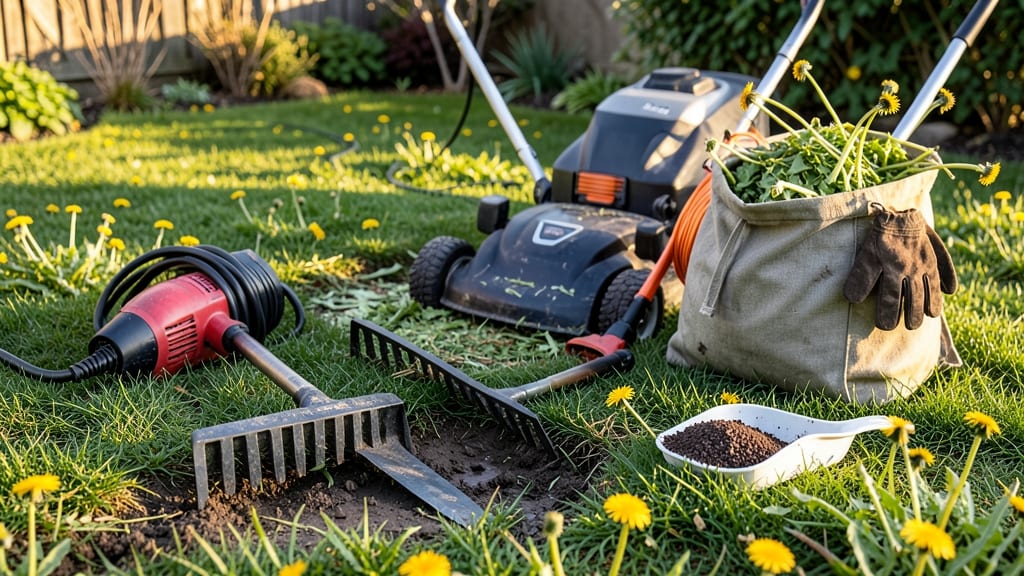
Cleaning up your lawn starts with 30 minutes of focused work that transforms a messy yard into a lush, weed-free foundation. ✨ I’ve spent years fighting back weeds and patchy grass, and the secret isn’t brute force—it’s strategic prep.
Grab a rake, a sharp mower blade, and a few simple tools, and you’ll be done before lunch. The real game-changer? Removing debris first—leaves, twigs, and old grass clippings smother your lawn if left sitting.
After that, mow high (3–4 inches) to shade out weeds naturally, then spot-treat bare patches with grass seed or sod. No aerating? No problem—just focus on clearing the surface. By the end, your lawn will look fresh, even, and ready to thrive—no more hiding behind the hedge.
The key is consistency: repeat this process every 4–6 weeks to keep weeds from taking over. Works for any yard size, from small front lawns to sprawling backyards. Let’s get that grass growing strong!
📚 In This Guide
- What you need
- Instructions
- Tips and common mistakes
- Wrapping up and next steps
What you need
- ● Garden Gloves – A pair of durable, breathable gloves (e.g., blank">FrogToggs or blank">Workrite) to protect your hands from thorns, dirt, and debris. (1 pair)
- ● Lawn Rake – A bendable-tine rake (e.g., blank">Fiskars SteelFlex) for removing debris, thatch, and loose weeds. (1, 24-36" wide)
- ● Hand Weeder or Dandelion Tool – A sturdy, long-handled tool (e.g., blank">Fiskars X27) for pulling weeds without bending over. (1)
- ● Trash Bags – Heavy-duty, 30-gallon contractor bags for hauling debris. (2-4 bags)
- ● Wheelbarrow or Lawn Cart – A 1-2 cubic foot capacity cart (e.g., blank">Scotts Heavy-Duty) to transport debris and tools. (1)
- ● Hose with Nozzle – A variable spray nozzle (e.g., blank">Hozelock Adjustable) for rinsing tools and wetting the lawn pre-weeding. (1)
- ○ Pre-Emergent Herbicide (Optional but Recommended) – A broad-spectrum pre-emergent like blank">Scotts Halts Crabgrass & Grass Killer to prevent future weeds. (1 bottle, follow label rates)
- ● Knee Pads – If you’re on hands and knees for stubborn weeds. (1 pair)
- ● Leaf Blower/Vacuum – For fast debris removal (e.g., blank">Ego Power+). (1)
- ● String Trimmer/Edger – To neaten edges post-cleanup. (1)
- ● Post-Weeding Fertilizer – A quick-release granular fertilizer (e.g., Miracle-Gro All Purpose) to revitalize your lawn. (1 bag)
- ● Sunscreen & Bug Spray – Because no one wants a sunburn or itchy bites mid-project. (As needed)
Step-by-Step instructions for a weed-free lawn prep
Here's how I tackle a quick, effective lawn cleanup that leaves your yard looking sharp and weed-free.
✂️ Step 1: Clear Debris and Loose Weeds
Start by walking your lawn and picking up any large debris—sticks, leaves, or rocks—that might be harboring weeds or pests. I like to use a stiff-bristled broom to sweep up smaller debris and pile it into bags for disposal. This step is all about visibility: you want to see every inch of your lawn so you don’t miss any problem areas.
Next, grab a handheld weeder or your fingers to pull out any weeds you spot. Focus on weeds with deep roots or those that have already seeded—they’ll spread if left behind. For stubborn weeds, I twist them gently to avoid breaking the root. Work in small sections to keep track of what’s been done.
🌱 Step 2: Mow at the Right Height
Set your mower to its highest setting and give your lawn a thorough trim. The goal here is to remove tall grass and weeds while leaving the grass blades long enough to shade out weeds. I aim for a height of 3-4 inches for most cool-season grasses—this keeps the lawn healthy and competitive against weeds.
After mowing, rake up any clippings and weeds that the mower didn’t chop finely enough. Bag them and dispose of them properly—don’t leave them on the lawn, as they can smother grass and encourage thatch buildup. If your lawn is particularly thick, consider mowing in two directions to ensure even coverage.
💧 Step 3: Spot-Treat Weed Hotspots
For any remaining weeds, especially those in cracks or along driveways, use a targeted approach. I like to apply a vinegar-based weed killer (like a 1:1 ratio of white vinegar and water with a drop of dish soap) directly to the leaves of weeds. This natural method works well for small areas and breaks down safely in the soil.
For larger patches, a pre-emergent herbicide can be applied now to prevent weeds from sprouting later. Follow the label instructions carefully—overapplying can harm your grass. Water the lawn lightly after applying any treatment to help it absorb evenly. Avoid walking on treated areas for 24 hours to let the product work effectively.
☀️ Step 4: Aerate and Overseed (Optional but Recommended)
If your lawn feels spongy or has bare patches, aerate now to give grass seeds a chance to establish. Rent a core aerator or use a garden fork to poke holes 3-4 inches deep, spacing them 3-4 inches apart. This step is especially important if your lawn has heavy foot traffic or compacted soil.
After aerating, sprinkle grass seed over the lawn, focusing on thin or bare areas. Lightly rake the seeds into the soil to ensure good contact. Water gently but thoroughly to settle the seeds and keep the soil moist for the next 7-10 days. This encourages strong germination and helps outcompete weeds.
Tips & tricks for a flawless lawn cleanup
Here's what I've learned after years of battling weeds—these tricks make all the difference between a quick cleanup and a frustrating one.
Visibility is Everything: In Step 1, when clearing debris, I always work in small sections—about 10 feet by 10 feet at a time. This keeps you from missing weeds or missing spots. I also like to work from the inside of the lawn outward so I don't accidentally step on clean areas. Trust me, you'll spot weeds you'd otherwise miss when you're not distracted by the whole yard.
Mowing Strategy: When you're mowing in Step 2, don't just do one pass! For thick lawns, I always mow in two perpendicular directions—first lengthwise, then widthwise. This ensures you catch all the grass blades and prevents missed spots. And remember, that 3-4 inch height is crucial: it's the sweet spot for shade-out weed control without sacrificing lawn health.
Spot-Treatment Precision: For Step 3, when applying vinegar or herbicide, I use a small spray bottle or even a popsicle stick dipped in the solution for precise application. This prevents overspray onto your grass. I also mark treated areas with small flags or sticks so I don't accidentally treat them again later. The 24-hour wait before walking on treated areas is non-negotiable—it gives the product time to work properly.
Aeration Hack: If you're doing Step 4, renting a core aerator is worth it, but if you're using a garden fork, I've found that working in a grid pattern—3-4 inches apart—gives the best results. After aerating, I like to water lightly before seeding to help settle the seeds into those fresh holes. The 7-10 day watering schedule is critical: keep the soil consistently moist but not soggy during this germination window.
Pro Tips for Clean Up Lawn
- Here's what I've learned after years of battling weeds—these tricks make all the difference between a quick cleanup and a frustrating one.
- Visibility is Everything: In Step 1, when clearing debris, I always work in small sections—about 10 feet by 10 feet at a time.
- Mowing Strategy: When you're mowing in Step 2, don't just do one pass!
Frequently asked questions
Got questions about cleaning up your lawn efficiently?
Here are answers to the most common ones to help you tackle weeds and prep your yard in record time—without the hassle.
How often should I clean up my lawn to keep it weed-free?
For most lawns, aim to clean up weeds every 2–4 weeks during peak growing seasons (spring and fall). Regular maintenance prevents weeds from spreading and reduces the need for harsh chemicals. Focus on high-traffic or problem areas more frequently.
Can I really clean up my lawn in under 30 minutes?
Yes! The key is preparation—gather tools first, tackle small sections at a time, and prioritize high-impact tasks like pulling stubborn weeds or spot-treating patches. Break it into 10-minute chunks: clear debris, pull weeds, and apply pre-emergent herbicide (if needed). Timing saves time!
What’s the best way to remove weeds without chemicals?
Try these natural methods for a chemical-free cleanup:
- Hand-pulling: Best for small weeds. Pull when soil is moist for easier removal.
- Boiling water: Pour directly on weeds (avoid desirable plants!). Works well for driveways or cracks.
- Vinegar solution: Mix 1 gallon white vinegar + 1 cup salt + 1 tbsp dish soap. Spray on weeds (test on a small area first).
- Corn gluten meal: A pre-emergent organic option to prevent weeds from sprouting.
Why do weeds keep coming back after I clean my lawn?
Weeds often return due to hidden seeds, compacted soil, or poor lawn health. To break the cycle:
- Rake or aerate to expose seeds.
- Improve grass density with overseeding.
- Water deeply but less frequently to strengthen roots.
- Address bare spots—weeds thrive where grass is weak!
Is it worth investing in a weed burner or electric string trimmer for lawn cleanup?
If your lawn is small to medium-sized, a manual tool (like a dandelion digger or handheld weeder) may suffice. For larger areas, an electric string trimmer (with a weed-clearing head) or weed burner (for tough patches) can save time and effort. Consider renting first to test efficiency!
What’s the best time of day to clean up my lawn?
Early morning or late afternoon is ideal—cooler temps reduce stress on you and the grass. Avoid midday heat, which can dry out soil and make weeds harder to pull. If using herbicides, follow label instructions for timing (e.g., apply in dry conditions).
Wrapping up and next steps
A weed-free lawn isn’t just about aesthetics—it’s about reclaiming your outdoor space with confidence! 🌱 With the right tools, a quick 30-minute prep, and a few proactive steps, you’ve got everything you need to tackle weeds head-on.
Remember, consistency is key, but even small efforts add up to big results over time.
Ready to take the next step? Start with one section of your lawn this weekend—grab your supplies, follow the steps, and watch your yard transform. Before you know it, you’ll be the envy of the neighborhood with a lush, vibrant lawn that’s finally weed-free! 🎉