
Lawn
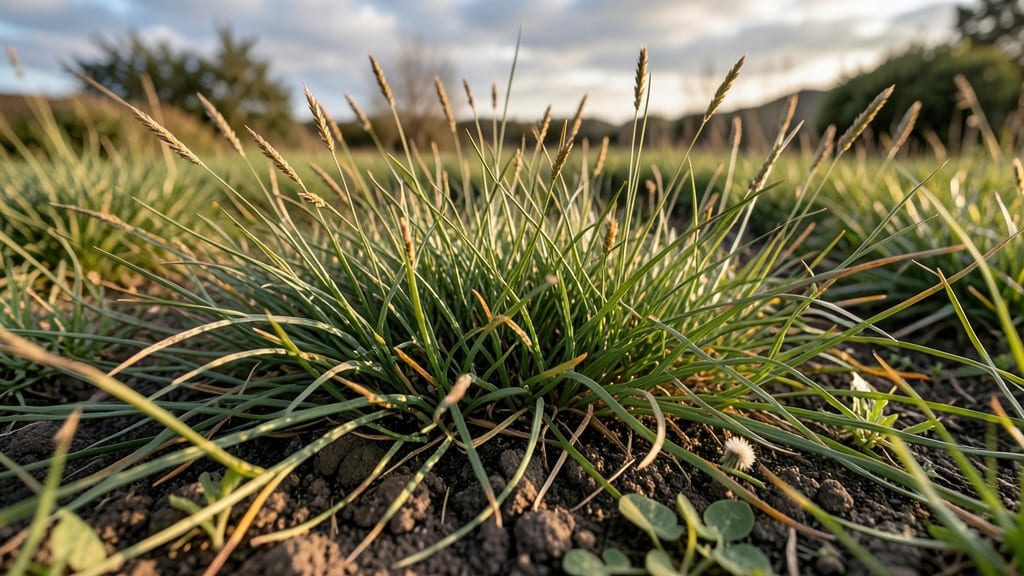
That patch of the long grass growing in your lawn isn't just unsightly—it's a sign your grass is fighting for survival. 🌱 I've battled this myself, and it usually comes down to one of three things: mowing at the wrong height, inconsistent watering, or letting weeds take over before they can be outcompeted.
The good news? Fixing it is simpler than you think.
Start by adjusting your mower blade to the right height for your grass type—most cool-season grasses thrive at 2.5 to 3.5 inches, while warm-season grasses prefer 1 to 2.5 inches.
Mowing too short stresses the grass, while letting it grow too long shades out the soil and encourages weeds. A sharp mower blade makes all the difference—dull blades tear grass instead of cutting cleanly.
Within 2-3 weeks of proper mowing and watering (deep but infrequent), you'll see denser, greener grass that crowds out weeds naturally.
The key is consistency: mow when the grass is dry, never remove more than one-third of the blade height at once, and fertilize in early fall for cool-season grasses or late spring for warm-season types.
For stubborn patches, overseeding in early fall can fill in thin areas before winter. And if you notice brown spots or bare patches, that's your cue to test your soil—low nutrients or compacted soil often hide behind the "long grass" problem. Small adjustments make a big difference over time.
The Hidden Triggers Behind Tall Grass
If your lawn looks more like a wild meadow than a manicured masterpiece, chances are one (or more) of these common culprits is to blame. Understanding the science behind why grass grows tall helps you take targeted action—before it’s too late.
Grass grows at an astonishing rate—some varieties can shoot up ½ to 2 inches per week under ideal conditions. If you’re mowing less frequently than this growth rate, your lawn will inevitably become overgrown. But here’s the kicker: how you mow matters just as much as when.
- Cutting too short (especially below the recommended height for your grass type) stresses the plant, causing it to grow faster and thinner to recover.
- Skipping mows during peak growth seasons (spring and fall) lets grass elongate rapidly, making it harder to tame later.
- Uneven mowing patterns (e.g., always cutting in the same direction) can create "stripes" where grass grows taller in untouched areas.
Pro Tip: 🌡️ Follow the 1/3 Rule—never remove more than one-third of the grass blade in a single mowing. For example, if your grass is 4 inches tall, cut it to 3 inches max.
Water is the fuel for rapid grass growth, but too much (or the wrong amount) can backfire. Here’s how hydration habits contribute to tall grass:
- Excessive watering promotes lush, fast growth—great for density but a nightmare if you’re not keeping up with mowing. Overwatered grass also weakens roots, making it more prone to bending and flattening under its own weight.
- Shallow or infrequent watering encourages grass to grow longer, thinner blades in search of moisture near the surface.
- Watering at the wrong time (e.g., late evening) can lead to fungal growth, which stresses the grass and triggers compensatory growth spikes.
Science Note: Grass grows fastest when soil moisture is 60-80% of field capacity. If your lawn feels spongy underfoot, you’re likely overdoing it.
Grass doesn’t just need water—it craves the right balance of nutrients to grow upward (tall) vs. outward (dense). Common soil issues that lead to tall, leggy grass include:
| Nutrient Issue | Effect on Grass | Fix It With |
|---|---|---|
| ❌ Too much nitrogen (N) | Rapid vertical growth but weak roots; grass becomes "floppy" and prone to disease. | 💡 Balance with phosphorus (P) and potassium (K) (e.g., 10-10-10 fertilizer). |
| ❌ Low phosphorus (P) | Poor root development = grass grows tall and thin to reach sunlight. | Apply bone meal or a high-P fertilizer (e.g., 5-10-5) in early spring. |
| ❌ Compacted soil | Restricts root growth, forcing grass to stretch upward for sunlight. | ✨ Aerate in fall + top-dress with compost. |
Warning: 🚨 Avoid "quick-fix" high-nitrogen fertilizers (like lawn food with 30%+ N). They’ll give you a green lawn fast—but at the cost of long-term health.
Grass is a sun lover, and when it doesn’t get enough light, it stretches like a plant reaching for a window. Common causes:
- Overhanging trees or structures casting shade for prolonged periods (especially in summer).
- Newly planted grass that’s still establishing roots and can’t compete with weeds for sunlight.
- Thatch buildup (a layer of dead grass >½ inch thick) blocks light and air, suffocating the lawn.
Solution: 🌿 Thin out shade with strategic pruning or consider shade-tolerant grass varieties (e.g., fine fescue). For thatch, dethatch in early fall when grass is actively growing.
When grass is under attack, it diverts energy to recovery—often growing taller and faster than usual. Look for these red flags:
- Grubs or insects (e.g., chinch bugs) feeding on roots force grass to grow taller to compensate for weakened support.
- Fungal infections (like brown patch) create irregular patches where grass grows patchily—some areas may shoot up while others die.
- Weed competition (e.g., crabgrass) steals nutrients, causing your lawn grass to elongate.
Action Step: 🔍 Test your soil for pests or diseases (many extension offices offer free diagnostics). Treat infestations early—prevention is easier than regrowing a lawn!
Fix Overgrown Grass Fast
Now that you understand why your lawn grass grows tall and patchy, let’s tackle it with targeted solutions. The key is matching the right fix to the root cause—whether it’s neglect, soil issues, or seasonal shifts.
Below, we break down practical, step-by-step fixes for each common culprit, plus prevention tips to keep your lawn lush without the hassle.
If your grass is already towering over your ankles, start with these fast solutions to restore a neat appearance while addressing deeper issues.
1️⃣ Mow at the Right Height (And Frequency)
Problem: Skipping mows or setting the blade too high (or low) lets grass grow unchecked. Fix: - Adjust your mower height to the ideal range for your grass type (e.g., 3–4 inches for cool-season grasses like Kentucky bluegrass or 2.5–3.5 inches for warm-season types like Bermuda).
Check your mower manual for settings. - Mow regularly—never remove more than ⅓ of the blade height at once.
For example, if your grass is 6 inches tall, cut it to 4 inches, not 2 inches. - Use a sharp mower blade (dull blades tear grass, stressing it).
Test by pulling a blade of grass—if it tears instead of cleanly cutting, sharpen it or replace it. - Mow in different patterns (e.g., switch between vertical and horizontal strokes weekly) to prevent soil compaction and encourage even growth.
💡 Pro Tip: Mow in the early morning when grass is dry but dew-covered. This reduces stress on the blades and helps them recover faster.
2️⃣ Overseed Bare or Thin Spots
Problem: Patchy lawns let weeds and tall grass dominate. Fix:
- Rake out dead patches gently with a lawn rake to loosen soil.
- Spread grass seed (choose a type matching your climate) over bare areas.
Lightly cover with ¼ inch of soil or compost. - Water deeply (1 inch per week) for the first 2–3 weeks to help seeds germinate. Keep soil moist but not soggy. - Avoid foot traffic until new grass reaches 3–4 inches tall.
🌱 Best Seeds for Fast Coverage:
- Cool climates: Tall fescue or perennial ryegrass (germinates in 5–10 days).
- Warm climates: Bermuda or Zoysia grass (germinates in 7–14 days).
3️⃣ Fertilize for Thicker Growth
Problem: Poor soil nutrition leads to weak, slow-growing grass. Fix:
- Test your soil (DIY kits cost ~$20) to check pH and nutrient levels. Most lawns need pH 6.0–7.0.
- Apply a slow-release fertilizer with nitrogen (N), phosphorus (P), and potassium (K).
Look for a balanced ratio like 16-4-8 for general use. - Follow package instructions for application rates. Over-fertilizing burns grass and wastes money. - Top-dress with compost (¼ inch layer) in spring or fall to improve soil structure naturally.
✨ Seasonal Fertilizer Guide:
| Season | Focus | When to Apply |
|---|---|---|
| Spring | Nitrogen for growth | Early spring (March–April) |
| Summer | Light feeding | Only if grass shows stress |
| Fall | Root strengthening | Late summer to early fall |
| Winter | None (dormant season) | — |
Prevent future overgrowth with these habits that build resilience into your lawn.
4️⃣ Water Wisely to Encourage Deep Roots
Problem: Frequent shallow watering promotes weak, shallow roots and encourages tall growth. Fix: - Water deeply but infrequently—aim for 1–1.5 inches per week (including rain).
Use a rain gauge or tuna can to measure. - Water early morning (4–8 AM) to reduce evaporation and fungal risks. - Adjust for heat waves: Increase to 1.5–2 inches per week if grass shows wilting or footprints stay visible. - Check for runoff—if water pools, reduce duration and let soil absorb moisture.
💡 Pro Tip: Install a smart sprinkler timer (like Rain Bird or Orbit) to automate watering based on weather forecasts.
5️⃣ Control Weeds Before They Take Over
Problem: Weeds (like crabgrass or clover) outcompete grass, leading to uneven growth. Fix: - Pre-emergent herbicide: Apply in early spring (before weeds sprout) to block seeds.
Follow label rates—overuse harms grass. - Post-emergent spot treatment: For existing weeds, use a selective herbicide (like 2,4-D) on broadleaf weeds or corn gluten meal (natural, organic option). - Hand-pull weeds in small lawns, especially after rain when soil is soft.
⚠️ Warning: Avoid herbicides if you have pets or kids—opt for vinegar-based sprays (for spot treatment) or manual removal.
6️⃣ Adjust Mowing Habits for Year-Round Density
Problem: Seasonal changes (drought, heat, cold) disrupt growth patterns. Fix:
- Raise mower height in summer (by ½ inch) to reduce stress from heat and drought.
- Lower slightly in fall (to 2.5–3 inches) to promote root hardening before winter.
- Leave grass clippings (unless they’re long and matted)—they return nutrients to the soil (“grasscycling”).
- Aerate compacted soil once a year (spring or fall) with a core aerator to improve water/air flow.
🔪 Tool Check: Rent a core aerator (~$60/day) if your soil feels spongy when walked on.
| Task | When | Why It Works |
|---|---|---|
| Sharpen mower blades | Every 10–15 hours | Prevents tearing, reduces stress |
| Test soil pH | Every 2–3 years | Ensures nutrients are absorbed |
| Overseed thin spots | Early fall | Fills gaps before winter dormancy |
| Adjust irrigation | Spring & summer | Encourages deep roots, drought resistance |
| Apply pre-emergent | Early spring | Blocks weeds before they start |
By combining immediate fixes (mowing, seeding, fertilizing) with long-term habits (watering, aerating, weed control), you’ll transform a patchy, overgrown lawn into a dense, low-maintenance carpet—without the guesswork. Start with one or two solutions this week, and watch your lawn respond in 2–4 weeks!
Frequently asked questions
Why does my grass grow so fast in some areas but stay short in others?
Uneven growth often happens due to soil compaction or nutrient imbalances. Areas with more foot traffic get compacted, restricting root growth and forcing grass to stretch upward. Test your soil—low phosphorus or potassium can also cause patchy growth. Aerating compacted spots and applying a balanced fertilizer (like 10-10-10) helps even things out.
Can I just mow my lawn taller to fix the problem?
No—while raising your mower height helps with drought resistance, it won’t solve the root cause. Tall grass hides weeds and soil issues. Instead, combine proper mowing height (e.g., 3-4 inches for cool-season grass) with deep watering and fertilization. Mow regularly (never removing more than ⅓ of the blade height at once) to encourage even growth.
How often should I mow to prevent tall grass?
Mow when your grass reaches ⅓ above its ideal height—typically every 5-7 days in peak growing seasons (spring/fall). For example, if your grass should be 3 inches tall, mow when it hits 4 inches. In summer, you may only need to mow every 10-14 days due to slower growth. Always use a sharp blade to avoid damaging the grass.
Will overseeding help if my lawn is already overgrown?
Yes! Overseeding fills in thin spots and crowds out weeds, but first mow the tall grass to 2-3 inches and rake out dead patches. Choose fast-germinating seeds (like perennial ryegrass for cool climates) and water deeply for 2-3 weeks. You’ll see results in 2-3 weeks, but avoid heavy foot traffic until new grass reaches 3-4 inches tall.
What’s the best way to handle tall grass in shady areas?
Shade-tolerant grasses (like fine fescue) grow slower but stay greener. Mow at 3-4 inches to protect leaf blades from sunlight. Avoid nitrogen-heavy fertilizers—they promote weak, tall growth. Instead, use a slow-release fertilizer with balanced NPK (like 12-4-8) in early spring. For instant results, thin out overhanging branches to let more light reach the lawn.