
Pests
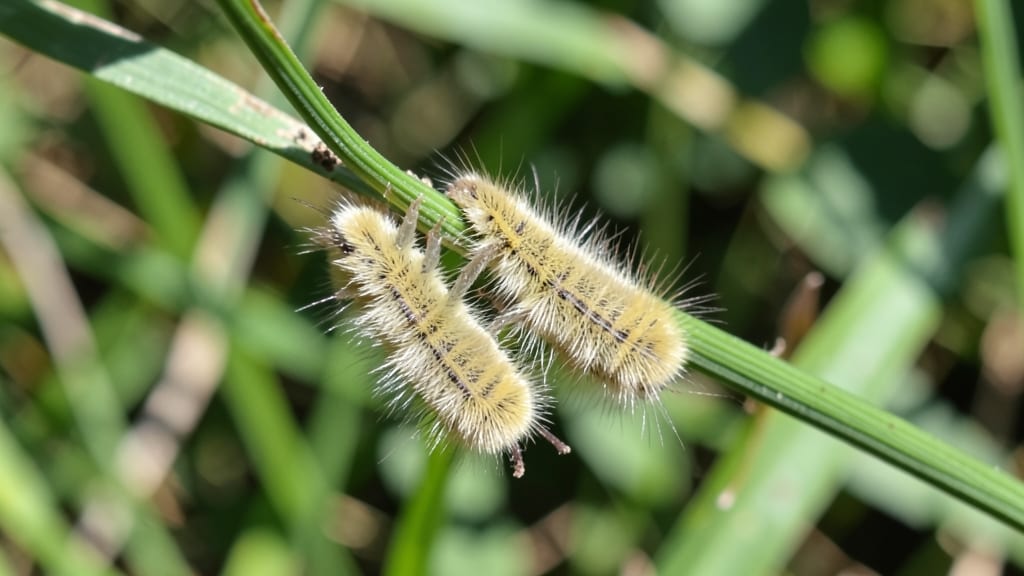
Finding caterpillars in your grass isn’t just an eyesore—it’s a sign your lawn is under siege. ✨ I’ve spent years dealing with cutworms, armyworms, and other grass-munching caterpillars, and I’ve learned the most effective ways to remove them without killing your lawn in the process.
The problem starts when these caterpillars chew through grass blades, leaving behind brown patches that look like drought damage. Most chemical pesticides are overkill and harm beneficial insects, but natural solutions like handpicking, neem oil, or encouraging birds and toads can work just as well.
The key is acting fast before they skeletonize your lawn.
By the end of this, you’ll know exactly how to identify the culprits, when to act, and which eco-friendly methods actually work. Your grass will stay green, your lawn will thrive, and you’ll never have to worry about these tiny invaders again.
Whether you’re dealing with a small patch or a full-blown infestation, these tricks will save your lawn without harsh chemicals. Let’s get your grass back to its lush best!
The Hidden Reasons Behind Grass Munchers
If you’ve ever spotted caterpillars feasting on your grass, you’re not alone. These tiny, often overlooked pests can turn a lush lawn into a patchwork of brown in no time.
But why do they suddenly appear? The answer lies in a mix of environmental factors, plant preferences, and even seasonal triggers. Let’s break down the science behind their grassy invasions.
###
🌱 Grass as a Buffet: Their Favorite Meal
Not all caterpillars are lawn lovers—only certain species see grass as a five-star dining option. The most common culprits include:
- Armyworms (Spodoptera spp.): These striped caterpillars are notorious for devouring grass blades, especially during warm, humid nights. They prefer cool-season grasses like Kentucky bluegrass and tall fescue, which are tender and nutritious.
🌾 Sod Webworms (Crambus spp.): These pests tunnel through grass roots and stems, leaving behind a sticky, silken webbing that’s a dead giveaway. They thrive in warm-season grasses like Bermuda and St. Augustine, which stay lush during their peak activity (late summer to early fall).
- Cutworms (Agrotis spp.): Though they prefer low-growing plants, cutworms will munch grass near the soil line, especially after rain. Their favorite? Weak or stressed grass with soft, newly sprouted blades.
Why your grass? Healthy, well-watered lawns are more attractive to caterpillars because they’re packed with high moisture and nitrogen—the caterpillar equivalent of a gourmet meal. If your lawn is thick, young, or recovering from damage, it’s like a neon "Eat Me" sign to these pests.
###
🌡️ Weather and Seasonal Triggers
Caterpillars don’t just appear randomly—they’re following nature’s calendar. Their life cycles are tightly linked to temperature, rainfall, and daylight hours. Here’s how weather sets the stage:
| Season | Why Caterpillars Strike | Grass Vulnerability |
|---|---|---|
| Late Spring | Warmth triggers egg hatching. Armyworm moths lay eggs in warm, moist soil, and caterpillars emerge when nights stay above 60°F (15°C). | New grass growth is soft and tender, making it easy prey. |
| Summer | High humidity and 24-hour daylight speed up their growth. Sod webworms thrive in hot, dry conditions because stressed grass is easier to digest. | Drought-stressed grass becomes brittle and nutrient-poor, but caterpillars prefer it—weird, right? |
| Fall | Cooler temps slow their metabolism, but migrating moths lay eggs before winter. Armyworms, in particular, explode in numbers in late September if fall is mild. | Grass is still growing but less competitive against weeds, giving caterpillars more access. |
Pro Tip: 🌡️ Extreme weather—like sudden heatwaves or heavy rains—can also disrupt natural predators (like birds and parasitic wasps), leaving caterpillars unchecked. If your area had unusually wet springs or dry summers, expect a caterpillar boom.
###
🪰 Lack of Natural Predators
In a balanced ecosystem, caterpillars are food, not pests. But when their predators vanish, their populations skyrocket. Here’s who’s usually keeping them in check—and why they might be missing:
- Birds (e.g., robins, sparrows, starlings): They love munching caterpillars but avoid treated lawns. Pesticides or lack of shrubs/trees reduce their hunting grounds.
- Parasitic wasps (Braconidae family): These tiny wasps lay eggs inside caterpillars, killing them from within. Overwatering or fungicides can harm their populations.
- Ground beetles and spiders: They prey on young caterpillars but struggle in compacted or chemically treated soil.
- Fungal diseases (e.g., Beauveria bassiana): Some caterpillars die from natural fungi, but drought or synthetic fertilizers can weaken these microbes.
Actionable Fix: 🌿 To restore balance, plant native wildflowers (like milkweed or clover) to attract predator insects. Avoid broad-spectrum pesticides, and leave some "wild" areas in your yard for beetles and birds to thrive.
###
🌱 Over-Fertilized or Weak Grass
Ironically, too much fertilizer can make your grass more appealing to caterpillars. Here’s how:
- Excess nitrogen makes grass grow fast and soft, which caterpillars adore. It’s like feeding them a steady supply of fast food.
- Thin or patchy lawns (from overwatering, drought, or poor soil) give caterpillars easy access to roots and stems.
- Weed control chemicals can kill beneficial insects that prey on caterpillars, tipping the scales in favor of the pests.
What to Do: 💡 Test your soil before fertilizing—aim for a balanced NPK ratio (e.g., 16-4-8). Water deeply but infrequently to encourage deep roots, making grass tougher for caterpillars to chew.
Understanding why caterpillars target your grass is half the battle. Now that you know the science, you can outsmart them with targeted, eco-friendly solutions—no harsh chemicals required. 🚀
Quick Fixes for Caterpillars in Lawns
Finding caterpillars munching on your grass can be frustrating, but the good news is that you can tackle the problem naturally without resorting to harsh chemicals. Below, we’ve mapped out practical solutions based on the most common causes—whether it’s overpopulation, poor lawn health, or seasonal outbreaks.
Each fix is designed to be effective, eco-friendly, and easy to implement.
🔥 Overpopulation: Reduce Caterpillar Numbers Fast
If your lawn is swarming with caterpillars, the first step is to disrupt their life cycle and reduce their numbers quickly. Here’s how:
🍳 Handpick or Vacuum Them Up
- How to do it: Early in the morning, when caterpillars are sluggish, inspect your grass and remove them by hand. Drop them into a bucket of soapy water to prevent re-infestation.
- Best for: Small to medium outbreaks (under 50 caterpillars per square yard).
- Pro tip: 💡 Use a leaf blower to gather caterpillars into piles before picking them up—saves time and effort!
👨🍳 Introduce Natural Predators
- How to do it: Encourage birds, toads, and parasitic wasps (like Cotesia congregata) by creating a predator-friendly environment. Install birdhouses, leave some leaf litter, and avoid pesticides that harm these helpers.
- Best for: Long-term population control.
- Pro tip: 🌡️ Plant native flowers like milkweed or dill to attract beneficial insects.
🥘 Use Diatomaceous Earth (Food-Grade)
- How to do it: Sprinkle food-grade diatomaceous earth (DE) lightly over the grass. It dehydrates caterpillars by damaging their exoskeletons. Reapply after rain.
- Best for: Active infestations (reapply every 3–5 days).
- Caution: Avoid inhaling DE—wear a mask and apply on calm days.
🌱 Poor Lawn Health: Strengthen Your Grass
A weak lawn is an open invitation for caterpillars. Boost your grass’s resilience to make it less appealing (and harder to digest) for these pests.
⏰ Improve Watering Practices
- How to do it: Water deeply 1–2 times per week (early morning) instead of daily shallow watering. Overwatering stresses grass and attracts pests.
- Best for: Preventing future outbreaks by maintaining healthy roots.
- Pro tip: 🎯 Use a rain gauge to ensure 1–1.5 inches of water per week.
🔪 Mow High and Less Frequently
- How to do it: Set your mower to 3–4 inches tall. Taller grass shades out weeds (which caterpillars love) and retains moisture better.
- Best for: Long-term lawn vitality.
- Pro tip: ✨ Never remove more than ⅓ of the grass blade at once—this shocks the plant.
🌿 Fertilize Smartly
- How to do it: Use a slow-release, organic fertilizer (like compost or fish emulsion) in early spring and fall. Avoid synthetic fertilizers, which can attract pests.
- Best for: Building a thick, pest-resistant lawn.
- Pro tip: 📊 Test your soil first—over-fertilizing can do more harm than good!
🌪️ Seasonal Outbreaks: Prevent Recurrence
Caterpillars often strike in spring and summer when grass is lush. Break their cycle with these seasonal strategies:
🍂 Remove Egg Masses in Fall
- How to do it: Inspect grass and tree leaves for egg clusters (often laid by moths). Scrape them into soapy water before they hatch in spring.
- Best for: Stopping next year’s infestation at the source.
- Pro tip: 🔥 Check under mulch, on fence posts, and near host plants (like oak or elm trees).
🌡️ Apply Beneficial Nematodes
- How to do it: Purchase Steinernema carpocapsae nematodes, a natural soil-dwelling predator. Water the lawn, apply the nematodes in the evening (they avoid sunlight), and rewater.
- Best for: Late-summer treatments before caterpillar populations peak.
- Pro tip: 💡 Mix nematodes with water and a little honey for better adhesion to grass blades.
🌿 Plant Caterpillar-Resistant Grasses
- How to do it: Overseed with tall fescue or Kentucky bluegrass, which are less palatable to many caterpillar species. Avoid Bermuda grass, a favorite snack.
- Best for: Long-term lawn health and pest deterrence.
- Pro tip: ✨ Add clover to your lawn—it’s drought-resistant and deters some pests naturally!
🛡️ Prevention Checklist: Keep Caterpillars Away
Once you’ve addressed the current issue, use this checklist to prevent future invasions:
- ✅ Mulch properly: Use wood chips (not leaves) to deter egg-laying moths.
- ✅ Remove debris: Clear fallen leaves and thatch where caterpillars hide.
- ✅ Diversify your yard: Plant flowers, shrubs, and trees to attract predator species.
- ✅ Monitor regularly: Check for egg masses or early signs of damage every 2 weeks.
- ✅ Avoid broad-spectrum pesticides: They kill beneficial insects that control caterpillars.
Frequently asked questions
How can I tell if my grass has a caterpillar problem?
Look for irregular brown patches that resemble drought damage, but check for chewed grass blades or silken webs near the soil. Armyworms leave behind skeletonized grass, while sod webworms create tunnels with sticky webbing. Early morning inspections reveal active caterpillars, especially after rain.
Are all caterpillars harmful to my lawn?
Not all caterpillars target grass—only certain species like armyworms, sod webworms, and cutworms feed on lawns. Most caterpillars are harmless and even beneficial as food for birds and other predators. Focus on the pests that are actively damaging your grass.
How often should I apply natural remedies like diatomaceous earth?
For active infestations, apply food-grade diatomaceous earth every 3–5 days until caterpillar numbers drop. Reapply after rain, but avoid inhaling the powder—wear a mask and apply on calm days. Consistency is key for best results.
Will birds and toads really help control caterpillars?
Birds like robins and sparrows, along with toads, love munching caterpillars. Encourage them by planting native flowers, leaving leaf litter, and avoiding pesticides. A thriving ecosystem keeps caterpillar populations in check naturally.
Can I use chemical pesticides if natural methods fail?
Only as a last resort—chemical pesticides harm beneficial insects and disrupt your lawn’s ecosystem. If natural methods don’t work, try targeted options like Bacillus thuringiensis (Bt), a microbial pesticide safe for grass and pets. Always follow label instructions.