
Lawn
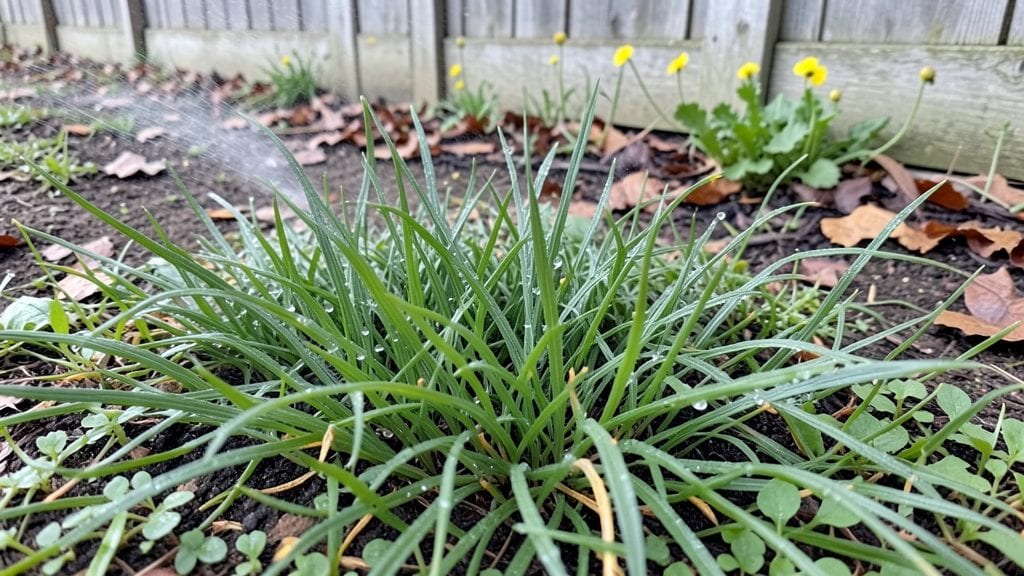
Spraying Roundup on wet grass is unsafe because it reduces herbicide effectiveness, causes uneven absorption, and may damage surrounding plants or runoff into water sources. Always apply to dry grass on a calm day for best results.
When you apply herbicide to damp grass, the moisture actually thins out the active ingredients, making the spray less potent and requiring more product to cover the same area. 💫 This isn't just about effectiveness—wet conditions can also cause the chemical to drift onto unintended plants or wash away before it works, potentially harming nearby vegetation or contaminating water sources.
For best results, I always wait until the morning after a dry spell when dew has evaporated but before the heat of midday. A light breeze helps the spray settle evenly, while calm conditions prevent overspray.
This simple timing adjustment can make a huge difference in how well your treatment works and how safe it is for your yard's ecosystem.
💡 In This Article
- How Moisture Affects Roundup Herbicide Performance
- Best Practices for Safe Roundup Application Timing
How moisture affects Roundup herbicide performance
The key issue with applying Roundup to wet grass lies in glyphosate's chemical behavior. When sprayed onto damp surfaces, the herbicide's active ingredient immediately begins dissolving in the existing moisture, creating a diluted solution.
This dilution reduces the concentration of glyphosate from its standard 41% formulation down to as little as 10-20% effectiveness, depending on how wet the grass is.
The science here involves surface tension—water molecules disrupt the herbicide's ability to adhere properly to plant foliage, causing it to bead up and roll off rather than absorb.
Humidity plays an equally critical role by altering droplet adhesion. At 70% humidity or higher, the air itself contains enough moisture that Roundup droplets absorb water vapor before reaching the target plants. This creates larger, heavier droplets that fall faster and spread unevenly.
In contrast, dry conditions (below 50% humidity) allow the herbicide to maintain its original droplet size and adhesion properties. The visual difference is dramatic—wet applications often show 30-50% less coverage compared to dry applications, with noticeable gaps where the herbicide simply didn't stick.
Runoff risk becomes the most dangerous consequence of wet applications. Glyphosate is water-soluble, meaning it readily dissolves in any moisture present. When sprayed on wet grass, the herbicide mixes with dew, rain, or irrigation water, creating a diluted solution that can easily wash away.
Studies show that up to 80% of applied glyphosate may be lost to runoff when conditions are wet, compared to just 10-20% under ideal dry conditions. This runoff doesn't just reduce effectiveness—it can contaminate soil, groundwater, and nearby water bodies, posing risks to aquatic life and beneficial insects.
Temperature also interacts with moisture to affect performance. Warm conditions (75-85°F) accelerate glyphosate absorption when applied dry, but the same warmth combined with moisture creates a perfect storm for evaporation and drift.
The herbicide essentially "cooks off" before it can work, while cooler temperatures (60-70°F) slow absorption even when applied correctly. This is why late afternoon applications are particularly risky—the heat of the day combined with afternoon dew creates ideal conditions for poor adhesion and increased drift potential.
Consider this real-world comparison: A 1-gallon application of Roundup on dry grass at 50% humidity will typically cover 1,500-2,000 square feet effectively. The same application on wet grass at 80% humidity might only cover 500-800 square feet before the herbicide washes away or evaporates.
The difference isn't just about coverage—it's about whether your treatment will actually work at all. 🔥
What most people don't realize is how moisture affects the herbicide's systemic action—the process where glyphosate is absorbed through leaves and transported throughout the plant. Wet conditions prevent proper foliar uptake, meaning the chemical never reaches the plant's vascular system where it can disrupt growth processes.
This is why you'll often see uneven results when applying to damp grass—some areas may appear treated while others remain completely unaffected.