
Lawn
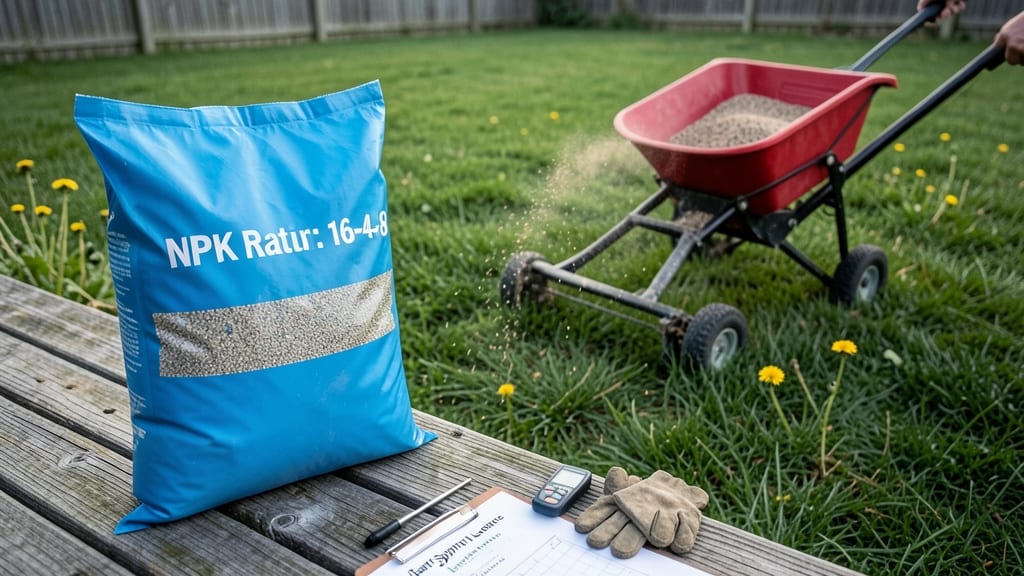
You can fertilize your lawn when soil temperatures reach 55–60°F (13–16°C), ensuring optimal nutrient absorption while avoiding winter dormancy or summer stress. Spring and fall are ideal seasons for most grass types, with early morning or late evening application preferred to reduce evaporation and chemical stress on roots.
Timing matters more than you might think—fertilizer only works when your grass is actively growing, which is why soil temperature is the real game-changer. 🌱 When temperatures dip below 55°F, grass roots slow down, making it nearly impossible for nutrients to take effect.
Conversely, applying fertilizer in scorching summer heat can actually burn roots, leaving your lawn more vulnerable to drought stress. I always check soil temperature with a simple thermometer (or even a reliable weather app) before reaching for the spreader, especially in regions with unpredictable spring weather.
Most grass types thrive with fertilization during their peak growing seasons: cool-season grasses (like fescue or Kentucky bluegrass) benefit most from early spring and fall applications, while warm-season grasses (such as Bermuda or Zoysia) prefer late spring to early summer.
Pro tip: Water deeply after fertilizing—this helps nutrients penetrate the soil and reach those hungry roots. A light rain within 24 hours can also work in a pinch, but don’t rely on it!
💡 In This Article
- Soil Temperature Thresholds for Lawn Fertilization
- Seasonal Fertilization Schedule for Healthy Grass
Soil temperature thresholds for lawn fertilization
Grass roots become active when soil temperatures consistently stay above 55°F (13°C), which is why this threshold marks the sweet spot for fertilization. Below this temperature, microbial activity in the soil slows dramatically, reducing the ability of roots to absorb nitrogen and other essential nutrients.
Think of it like trying to drink a smoothie through a straw that’s been frozen shut—your grass simply can’t access the fertilizer until conditions warm up. 🌱 The 60°F (16°C) upper limit prevents summer stress, as heat can cause fertilizer salts to concentrate near the surface, effectively burning tender root systems.
Regional climates create significant variations in optimal timing. In Northern states (like Minnesota or Maine), where winters linger into May, soil temperatures may not reach 55°F until late spring or early summer.
Meanwhile, Southern regions (such as Texas or Florida) can hit these thresholds as early as February, sometimes even January in warmer microclimates. Always test your soil 4-6 inches deep—surface temperatures can be misleadingly warm while deeper layers remain cool.
A simple $15 soil thermometer (or even a DIY method like burying a thermometer in a shaded spot) gives you precise data to avoid wasted fertilizer applications.
What happens if you fertilize too early? Grass may show temporary green-up from stored nutrients, but the roots won’t utilize the fertilizer effectively, leading to patchy growth and wasted money. Conversely, applying fertilizer when soil temperatures exceed 75°F (24°C) risks salt burn, where concentrated nutrients dehydrate roots.
This is why late summer applications are a no-go for most lawns—even drought-tolerant grasses like Bermuda can suffer if fertilized during peak heat. Always pair fertilization with 1-1.5 inches of water within 24-48 hours to help nutrients penetrate the soil.
Microbial activity is the hidden hero here. Soil bacteria and fungi break down organic fertilizers into plant-available forms, but their activity peaks between 55-75°F (13-24°C). When temperatures drop below 50°F (10°C), these microbes hibernate, leaving your fertilizer sitting idle in the soil.
This is why fall applications often yield better results than spring—cooler temperatures mean less risk of burn, and the nutrients fuel root growth before winter dormancy sets in. For synthetic fertilizers, the window is slightly wider, but timing still matters to avoid nutrient runoff during heavy rains.
Consider this real-world example: In the Pacific Northwest, where spring rains delay warming, many homeowners wait until late May or early June to fertilize cool-season grasses. Meanwhile, in the Southeast, early March applications are common for Bermuda grass.
The key is matching your schedule to your local climate patterns—not just the calendar. Use your lawn’s behavior as a guide: If grass is growing actively (new blades appear in 7-10 days), it’s ready for fertilizer.
If growth stalls despite warm weather, check for soil compaction or thatch buildup, which can insulate roots from optimal temperatures.
Pro tip: For precise timing, track soil temperatures for 5-7 consecutive days above 55°F before fertilizing. This consistency ensures your grass is truly ready to absorb nutrients.
And remember—even in ideal conditions, avoid fertilizing within 2 weeks of seeding or 4 weeks of overseeding, as young roots are sensitive to nutrient overload. 💫