
Lawn
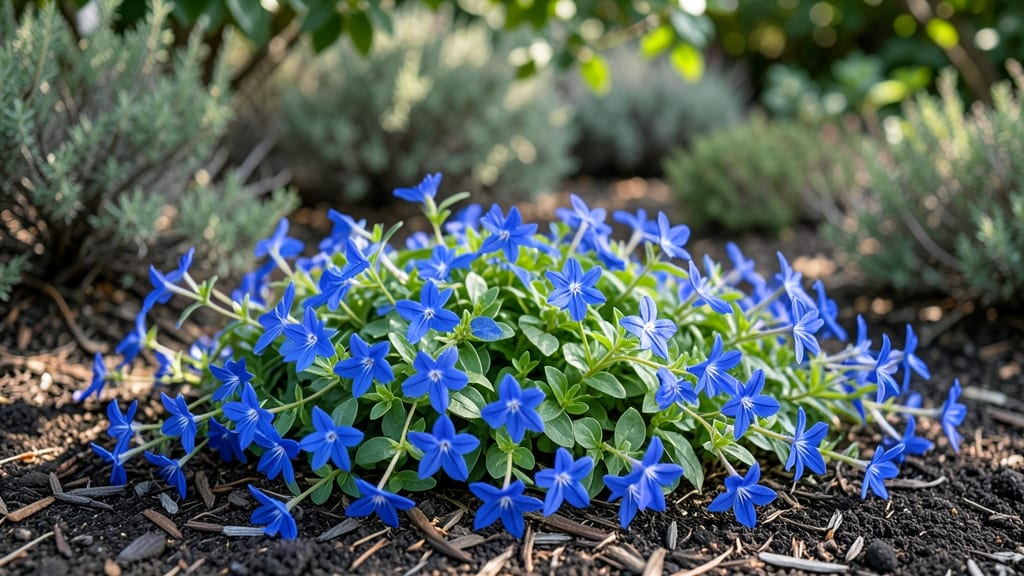
Blue star creeper lawns transform boring grass into a vibrant, weed-choking carpet of tiny blue stars. 🌿 I’ve replaced patches of my lawn with it, and the difference is night-and-day—no more mowing, no more weeds, just a lush, drought-tolerant ground cover that thrives where grass struggles.
The secret to success starts with the right conditions: partial shade (it burns in full sun), well-draining soil, and moderate watering until established. Unlike grass, blue star creeper spreads slowly but steadily, filling gaps naturally while outcompeting weeds.
Once it’s settled in, it’s nearly maintenance-free—just an occasional trim to keep it tidy.
By late spring, you’ll see those signature tiny blue flowers popping up everywhere, attracting pollinators while keeping your yard looking fresh. The texture is soft underfoot, and it stays green even when grass turns brown in dry spells.
It’s the perfect solution for shady spots, slopes, or anywhere you’re tired of fighting weeds.
Works best in USDA Zones 5-9, though it handles heat and cold surprisingly well. For best results, plant in early spring or fall—just give it time to root before summer hits. Ready to trade grass for something easier (and prettier)? Let’s get growing!
📚 In This Guide
- What you need
- Instructions
- Tips and common mistakes
- Wrapping up and next steps
What you need
- ● Blue Star Creeper Plants: 10–20 plants per 100 sq. ft. (adjust based on spacing—aim for 12–18 inches apart for full coverage).
- ● Pro tip: Buy from a reputable nursery for healthy, disease-free starter plants! 🌱
- ○ Soil Amendments (Optional but Recommended): Compost or well-rotted manure (1–2 inches mixed into topsoil).
- ● Slow-release fertilizer (10-10-10 or organic option, ½ lb per 100 sq. ft.).
- ● Tools: Garden trowel or transplant spade.
- ● Hoe or weeding tool (for clearing existing weeds).
- ● Garden rake (for leveling soil).
- ● Watering hose or sprinkler with adjustable nozzle.
- ○ Mulch (straw or shredded bark, optional for moisture retention).
- ● Sunlight: Full sun to partial shade (6+ hours of sunlight daily for best results).
- ● Soil Type: Well-draining, slightly acidic to neutral soil (pH 6.0–7.0). Test your soil if unsure!
- ● Weed Control: Clear existing weeds before planting (Blue Star Creeper spreads aggressively—it’ll outcompete weeds naturally!).
- ● Pro tip: Solarize the area for 4–6 weeks if weeds are stubborn. ☀️🔥
- ● Water Access: Consistent moisture (especially in the first 2–3 weeks post-planting).
Step-by-Step instructions for establishing a blue star creeper lawn
This low-maintenance ground cover spreads like magic—once it takes hold, weeds stand no chance.
🌱 Step 1: Prepare the Soil for Optimal Growth
Blue star creeper thrives in well-draining soil with a slightly acidic to neutral pH (6.0-7.0). Start by removing all existing vegetation, weeds, and debris from the area. Use a garden fork or tiller to loosen the top 6-8 inches of soil, breaking up any compacted layers. This ensures roots can penetrate easily and prevents waterlogging.
Incorporate 2-3 inches of compost into the top layer to improve fertility and drainage. If your soil is heavy clay, mix in sand or perlite to create a looser texture. Test the soil moisture by squeezing a handful—it should hold together but not feel soggy. Amend as needed to achieve a crumbly, almost sandy consistency.
☀️ Step 2: Choose the Right Time and Planting Method
Plant blue star creeper in early spring or early fall when temperatures are mild (50-75°F). This gives the roots time to establish before extreme heat or cold sets in. For a lush, weed-choking lawn, space 4-inch plugs 12-18 inches apart in rows 18 inches apart. Dig holes slightly deeper than the root ball to encourage downward growth.
Gently remove the plant from its container and tease the roots if they’re circling. Place it in the hole so the top of the root ball sits ½ inch below soil level. This prevents crown rot while encouraging a dense spread. Water deeply immediately after planting to settle the soil and eliminate air pockets around the roots.
💧 Step 3: Water Consistently for the First Critical Months
Keep the soil evenly moist but not waterlogged for the first 4-6 weeks—this is when roots establish. Water 1-2 times per week, providing ½ inch of moisture each time. You’ll know it’s right when the top 1-2 inches of soil feel damp but not saturated. Overwatering suffocates roots, while underwatering stresses young plants.
After the initial establishment period, reduce watering to once per week during dry spells. Blue star creeper is drought-tolerant once mature, but consistent moisture during the first season ensures vigorous spread. Mulch with 2-3 inches of shredded bark to retain moisture, suppress weeds, and regulate soil temperature.
✂️ Step 4: Maintain and Encourage Spread
Once established, blue star creeper spreads rapidly, choking out weeds naturally. Mow when the foliage reaches 3-4 inches to maintain a tidy appearance and encourage bushier growth. Use a sharp mower blade set to 2-3 inches to avoid tearing the leaves. This also prevents bare patches where weeds might take hold.
Fertilize lightly in early spring with a balanced, slow-release fertilizer (10-10-10) at ½ the recommended rate. Over-fertilizing promotes leafy growth at the expense of root development, which is critical for weed suppression. Monitor for pests like aphids or spider mites—spray with neem oil if needed, but healthy plants rarely face serious issues.
🌿 Step 5: Monitor and Adjust for Long-Term Success
After the first growing season, blue star creeper should fill in completely, creating a dense, weed-free mat. If gaps appear, fill them with additional plugs or allow the existing plants to spread naturally. In late winter, lightly rake the surface to remove debris and stimulate new growth. This also prevents thatch buildup, which can smother roots.
Watch for signs of stress—yellowing leaves often indicate overwatering or poor drainage, while brown tips suggest underwatering or heat stress. Adjust your care routine accordingly. With minimal effort, your blue star creeper lawn will thrive for years, offering a vibrant, low-maintenance alternative to traditional grass.
Tips & tricks for perfect blue star creeper lawn establishment
Transforming your yard into a lush, weed-free blue star creeper lawn is easier than you think—these pro tips will help you avoid common pitfalls and achieve that vibrant, low-maintenance result.
Soil Prep Secret: Before adding compost in Step 1, test your soil's pH using a simple home kit. Blue star creeper thrives in the 6.0-7.0 range, and adjusting the pH before planting saves you from struggling later. If your soil is too acidic, mix in crushed limestone; for alkaline soil, work in peat moss. This small step prevents future nutrient deficiencies that could stunt growth.
Planting Precision: In Step 2, when spacing your 4-inch plugs 12-18 inches apart, consider your long-term goals. For a denser, faster spread, plant on the closer end of the range (12 inches) in areas prone to weeds. In less challenging spots, the 18-inch spacing gives you more flexibility for maintenance. The ½ inch below soil level placement is crucial—any deeper risks rot, while too shallow exposes roots to drying.
Watering Wisdom: During the critical 4-6 week establishment phase in Step 3, think of your watering schedule like a Goldilocks scenario—not too much, not too little. Use a rain gauge or tuna can to measure your ½ inch of moisture per week. Early morning watering prevents fungal issues, and mulching with 2-3 inches of shredded bark locks in that moisture while keeping roots cool. I've seen many gardeners overwater during this phase, thinking more is better—it actually suffocates roots!
Long-Term Maintenance Hack: In Step 5, when raking in late winter, use a stiff-bristled rake to gently loosen the surface without disturbing the roots. This stimulates new growth while preventing thatch buildup. I've found that adding a thin layer of compost during this raking process gives your blue star creeper a nutrient boost for the upcoming growing season without overfeeding it.
Pro Tips for Blue Star Creeper Lawn
- Transforming your yard into a lush, weed-free blue star creeper lawn is easier than you think—these pro tips will hel...
- Soil Prep Secret: Before adding compost in Step 1, test your soil's pH using a simple home kit. Blue star creeper thr...
- Planting Precision: In Step 2, when spacing your 4-inch plugs 12-18 inches apart, consider your long-term goals. For ...
Frequently asked questions
Got questions about creating a stunning blue star creeper lawn? You’re not alone! Here are some of the most common concerns—and straightforward answers—to help you get started with confidence.
How fast does blue star creeper spread, and how long until it covers my lawn?
Blue star creeper is a fast-growing ground cover! With ideal conditions (full sun to partial shade and well-drained soil), it can spread 12–18 inches per year. Most homeowners see full coverage in 1–2 years, though patience pays off—thicker growth chokes weeds more effectively over time.
Is blue star creeper invasive? Will it take over my garden or neighbor’s yard?
While aggressive in spreading, blue star creeper is not classified as invasive in most regions (unlike, say, kudzu). It stays contained in lawns but can spill into flower beds if unchecked. To prevent overgrowth, trim edges regularly or use edging materials. Always check local regulations before planting!
Can I plant blue star creeper in shade? What’s the best sunlight exposure?
Blue star creeper thrives in full sun to partial shade (4–6 hours of sunlight daily). In deep shade (<3 hours), growth slows, and the vibrant blue flowers may fade. For shady spots, opt for Isotoma axillaris ‘Blue Star’ varieties labeled as shade-tolerant. Test a small patch first!
What’s the best way to kill weeds before planting blue star creeper?
Start with a pre-emergent herbicide (like corn gluten meal) 2–3 weeks before planting to stop weed seeds. For existing weeds, hand-pull or spot-treat with vinegar (50/50 vinegar/water) 24 hours before planting. Blue star creeper will outcompete weeds naturally once established—just give it time!
How do I keep blue star creeper from dying in winter or extreme heat?
This hardy plant handles USDA Zones 5–9, but mulching lightly (1–2 inches of straw) in winter protects roots. In heatwaves, water deeply 1–2 times weekly (avoid soggy soil). If leaves brown, it’s likely thirst stress—not death! Blue star creeper bounces back with proper care.
Are there alternatives to blue star creeper for weed suppression?
Yes! Consider these low-maintenance options:
- Creeping thyme – Drought-tolerant, fragrant, and great for sunny spots.
- Clover (white Dutch clover) – Fixes nitrogen in soil and attracts pollinators.
- Liriope (grass-like) – Handles shade and foot traffic well.
- Ajuga (bugleweed) – Purple foliage and spring blooms, but can be aggressive.
Wrapping up and next steps
Transforming your lawn into a lush, weed-free oasis with Blue Star Creeper is easier—and more rewarding—than you think! 🌿 This hardy ground cover not only thrives in tough conditions but also outcompetes weeds naturally, saving you time and effort.
Whether you're tackling a shady spot or a sun-drenched yard, its vibrant blue-purple blooms and low-maintenance charm make it a winner.
Ready to take the next step? Start small—plant a test section or consult a local nursery for expert tips. Once you see the results, you’ll be itching to expand! 🌱 Happy gardening!