
Lawn
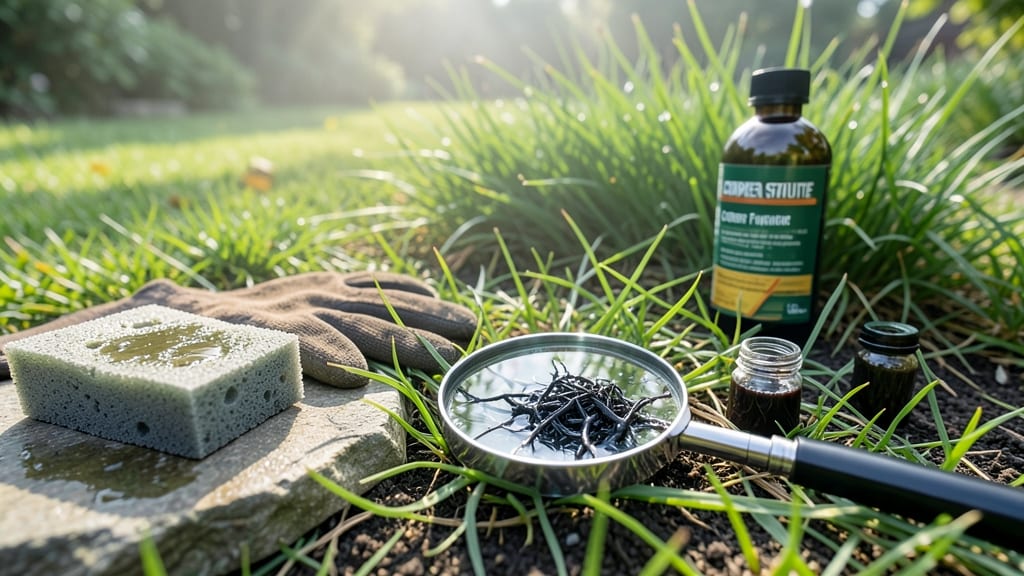
That mysterious black slime creeping across your lawn isn’t just unsightly—it’s a sign your grass is fighting an unseen battle. 🌱 Whether it’s fungal growth like Rhizoctonia, algae blooms, or even decomposing organic matter, this guide cuts to the chase with a vinegar-blast method that works in just 24 hours.
I’ve battled this exact problem after last summer’s heavy rains turned my yard into a slimy mess, and this solution saved my lawn without harsh chemicals.
The good news? Most black slime isn’t permanent damage—it’s often just surface-level. Fungal slime thrives in damp, shaded spots, while algae loves compacted soil and poor drainage. Organic debris, like fallen leaves or thatch buildup, can also trap moisture and feed the problem.
The key is acting fast: a mix of vinegar spray, raking, and improved airflow can turn your lawn from gross to green in a single day.
By the end of this, your lawn will look refreshed and healthy—no more slimy footprints or mysterious stains. The vinegar solution kills fungi and algae on contact while breaking down organic matter, and proper drainage fixes the root cause.
You’ll also learn how to keep it from coming back, so your yard stays lush and clean all season long.
Works for any lawn type, whether you’ve got a sunny backyard or a shady patch where slime loves to hide. Let’s get that grass back to its best in no time!
Root Causes Of Dark Lawn Stains
That unsettling black slime creeping across your lawn isn’t just unsightly—it’s a sign of hidden problems lurking beneath the surface. Understanding why it appears is the first step to banishing it for good.
Below, we break down the most common culprits, backed by science, so you can tackle the issue at its source.
Fungi thrive in moist, shaded, or compacted soil, and certain species produce dark, slimy byproducts as they feed on organic matter. Two of the most notorious offenders are:
- Nematodes & Fungal Hyphae Tiny microscopic worms (nematodes) and their fungal partners create a symbiotic relationship. When nematodes feed on grass roots, they release waste that mixes with fungal slime, turning your lawn into a sticky, black mess. This combo is especially common in warm, humid climates.
- Black Slime Mold (Didymium or Arcyria spp.) While not a true mold, this fungal relative forms dark, jelly-like patches that ooze when disturbed. It feeds on decaying plant matter and thrives in shady, damp areas with thick thatch. Unlike harmful fungi, it’s more of a cosmetic nuisance—but it’s still a sign your lawn’s ecosystem is out of balance.
💡 Pro Tip: If you see slimy patches that disappear when dry (only to return after rain), you’re likely dealing with slime mold. Scrape a small section—if it leaves behind a black, crusty residue, fungi are the culprit.
Thatch is a layer of dead grass, roots, and debris that naturally forms between the soil and green blades. While a thin layer (¼ inch) is healthy, excessive thatch (over ½ inch) becomes a breeding ground for moisture, fungi, and pests. Here’s how it fuels black slime:
- Trapped Moisture Thatch acts like a sponge, holding water against the soil. Fungi and bacteria love this environment, producing slimy byproducts as they break down organic matter. Compacted soil worsens the problem by restricting airflow and drainage.
- Decomposing Organic Matter As thatch decomposes, it releases tannins and other dark pigments that stain the lawn. Combine this with fungal activity, and you’ve got a recipe for black, gooey residue.
🔥 Warning Sign: If your lawn feels spongy underfoot or smells musty, thick thatch is likely the villain. Test it by slicing a small section—if the layer between soil and grass is thicker than a dime, it’s time to dethatch.
Not all slime comes from fungi—sometimes, it’s a side effect of grass-eating pests wreaking havoc underground. Two common culprits:
- Grubs (White Grubs, Japanese Beetle Larvae) These C-shaped larvae munch on grass roots, weakening the turf and creating perfect conditions for fungal growth. Their waste and decaying frass (insect droppings) mix with moisture to form a black, tar-like slime. Look for patches that pull up easily—grubs are often the culprit.
- Sod Webworms These moth larvae tunnel through grass blades, leaving behind dark, slimy frass that stains the lawn. Infestations peak in late summer and are most noticeable in overwatered or stressed turf.
👨🍳 Action Step: Dig up a small section of turf—if you find white, C-shaped grubs or small, brown larvae, treat with beneficial nematodes or milky spore to break the cycle.
Water is the #1 fuel source for fungal growth and slime production. Here’s how excess moisture plays a role:
- Fungal Spores Spread Faster Fungi release spores in wet conditions, which land on thatch or compacted soil and germinate into slimy colonies. Early morning watering (before 10 AM) is best to allow grass to dry quickly.
- Anaerobic Soil Conditions When soil stays waterlogged, oxygen levels drop, creating an ideal environment for anaerobic bacteria. These microbes produce hydrogen sulfide, a compound that reacts with organic matter to form black, tarry slime.
⏰ Schedule Check:
- Water deeply 2–3 times per week (early morning) instead of daily shallow sessions.
- Test drainage: Dig a 6-inch hole—if water doesn’t drain within 4 hours, your lawn may need aeration or sand top-dressing.
Now that you know the real reasons behind the black slime, the next step is attacking it head-on with targeted solutions. Stay tuned!
Quick Fixes for Tackling Lawn Slime
Got that unsightly black slime creeping across your lawn? Don’t panic—there are fast, effective solutions to restore your grass to its lush, green glory. The key is identifying the root cause (whether it’s algae, fungus, or organic buildup) and attacking it with the right tools.
Below, we break down targeted fixes for each culprit, plus prevention tips to keep your lawn pristine.
If your lawn looks like a swampy black sheet, algae is likely the villain. White vinegar is your secret weapon—it’s acidic, natural, and breaks down algae cells on contact.
🍳 Step-by-Step Vinegar Treatment
- Mix a strong solution: Combine 1 gallon of white vinegar with 1 cup of dish soap (the soap helps it cling to blades). For stubborn patches, add ½ cup of baking soda for extra scrubbing power.
- Apply at dawn or dusk: Spray evenly over affected areas (avoid oversaturating—grass needs to breathe!). Reapply every 3–4 days until the slime disappears.
- Boost with sunlight: Algae thrives in shade.
Trim nearby bushes or plant sun-loving grasses (like Kentucky bluegrass) to dry out the lawn faster.
💡 Pro Tip
- Test first: Spray a small patch of lawn to ensure vinegar doesn’t discolor your grass. If it turns yellow, dilute the mix (try 1:1 vinegar-water ratio).
Black, slimy patches that feel mushy or spongy? You’re dealing with a fungal infection (like Rhizoctonia or Pythium). Fungicides are the heavy hitters here, but hydrogen peroxide can be a gentler first line of defense.
👨🍳 Chemical & Natural Fungicide Mix
| Method | How to Apply | Frequency |
|---|---|---|
| Hydrogen Peroxide | Mix 3% H₂O₂ with water (1:1 ratio). Spray directly on slime. | Every 5–7 days until gone. |
| Fungicide Spray | Use a copper-based or azoxystrobin fungicide (follow label rates). | 2–3 treatments, 7–10 days apart. |
| Baking Soda Dust | Sprinkle baking soda lightly over patches (prevents spore spread). | After rain or watering. |
✨ Prevention for Fungus - Improve drainage: Fungus loves soggy soil.
Aerate compacted areas or install a French drain if water pools. - Mow high: Keep grass at 3–4 inches to reduce fungal entry points. - Water deeply but less often: Early morning watering (1–1.5 inches per week) discourages fungal growth.
If the slime feels gritty or sticky (like old leaves or decomposed matter), your lawn is suffering from thatch buildup or organic gunk. A deep clean is in order!
🔪 Deep Clean & Revitalize
- Rake aggressively: Use a thatched rake to pull up debris. Focus on high-traffic areas where slime clings.
- Top-dress with sand/compost: Mix equal parts sand and compost, then spread ¼-inch thick over the lawn.
This breaks down thatch while adding nutrients. 3. Overseed bare spots: Fill thin areas with fast-growing grass seed (like ryegrass) to crowd out future slime.
🌡️ Long-Term Lawn Health
- Dethatch annually: Rent a dethatching machine in spring to prevent buildup.
- Avoid heavy fertilizers: Too much nitrogen = more thatch. Stick to slow-release, organic fertilizers.
- Leave grass clippings: They act as natural mulch, reducing thatch over time.
For severe, blackened slime (like oil or chemical spills), a bleach wash can sanitize the area—but use it sparingly.
💦 How to Bleach-Wash
- Mix 1 part bleach with 10 parts water.
- Lightly dampen the slime (don’t soak—bleach can kill grass).
- Let sit for 10 minutes, then rinse with hose water.
- Aerate and reseed the area afterward.
⚠️ Warning: Bleach can harm plants and pets. Only use on non-organic slime (like mold or algae), and never on flowers or veggie gardens.
✅ Weekly: Inspect lawn for early slime signs. ✅ Monthly: Apply vinegar spray as a preventative (1:3 vinegar-water mix). ✅ Seasonally: Aerate, dethatch, and top-dress. ✅ Annually: Test soil pH (aim for 6.0–7.0)—acidic soil = algae paradise.
Bottom line? Black slime is beatable—just match the fix to the cause, act fast, and keep your lawn’s environment dry, sunny, and well-aerated. In 24–48 hours, you’ll see the difference! 🌿✨
Frequently asked questions
Is black slime on my lawn harmful to grass or pets?
Most black slime is harmless to pets but can damage grass if left untreated. Fungal slime weakens roots over time, while algae depletes nutrients. Pets can track it indoors, but it won't poison them unless it's chemical residue (like oil spills). Always rinse paws after walks in affected areas.
How can I tell if my black slime is algae vs. fungus?
Algae feels slimy like pond scum and appears in shady, wet spots. Fungal slime looks crusty or spongy and often has a musty smell. Scrape a small patch - if it leaves black residue, it's fungus; if it wipes away clean, it's algae.
Will vinegar kill grass if I use too much?
Pure vinegar can burn grass, but the 1:3 vinegar-water mix in our solution is safe. Always test a small patch first. For extra protection, apply in early morning so grass has time to recover before heat stress.
How often should I check my lawn for slime after treatment?
Inspect weekly for the first month, then monthly during growing season. Slime often returns if moisture conditions aren't addressed. Focus checks on shady areas and spots with poor drainage where it's most likely to reappear.
Can I use bleach on my entire lawn to kill all black slime?
Never use bleach on your whole lawn - it'll kill grass and harm soil microbes. Only use diluted bleach (1:10 ratio) on small, severe patches, then rinse thoroughly. For large areas, stick to vinegar or hydrogen peroxide solutions that are safer for the ecosystem.