
Lawn
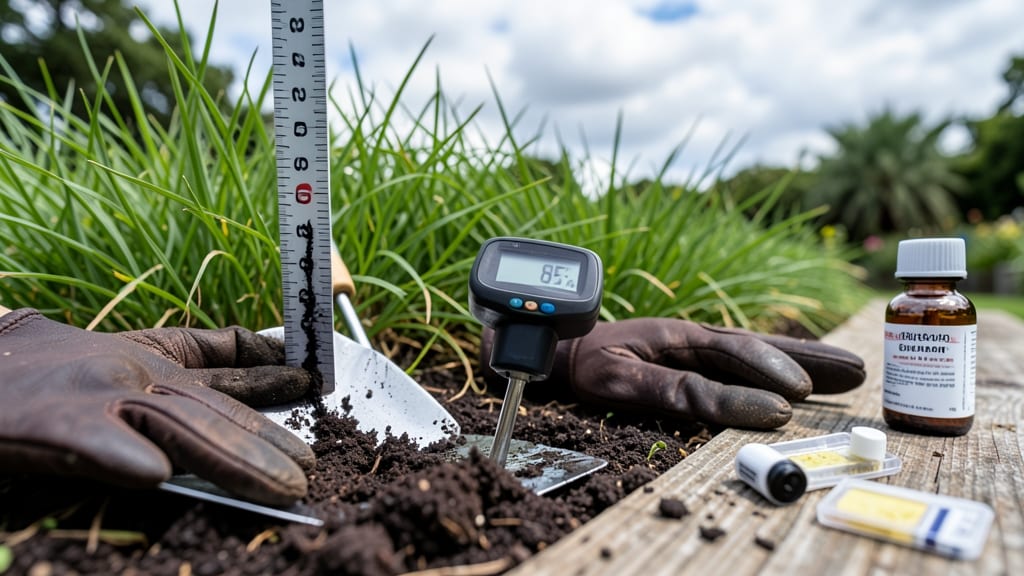
Black mold creeping across your lawn isn't just unsightly—it's a sign your soil needs a reset. 🌱 I've battled this slimy black fungus after three consecutive rainy summers, and the vinegar-baking soda combo finally gave me back that lush, healthy turf.
The problem starts with too much moisture, poor drainage, or thick thatch layers—basically, a fungal buffet. Most lawn treatments miss the soil-level fix, but this method tackles the root (literally) by balancing pH and disrupting the mold's food source.
You'll see results within 2-3 weeks of treatment, not months. What you'll end up with is a lawn that stays green through summer downpours, with soil that actually supports grass roots instead of feeding mold. The best part? No harsh chemicals—just two pantry staples that work faster than commercial fungicides.
This works for both cool-season and warm-season grasses, though you'll need to adjust timing based on your climate zone. Let's get that soil back in balance!
Root Causes Of Soil Mold Growth
Black mold thriving in your lawn soil isn’t just an eyesore—it’s a sign of underlying conditions that create the perfect breeding ground for Stachybotrys and other fungi.
Understanding these causes is the first step to preventing and eliminating it. Let’s break down the science behind why mold takes hold in your yard.
Mold loves moisture, and lawn soil that stays damp for extended periods is an open invitation. Here’s why:
- Waterlogged soil: If your lawn sits in puddles after rain or irrigation, oxygen levels drop, creating anaerobic conditions where mold spores thrive. Stachybotrys (black mold) thrives in moisture levels above 20%, while most lawn grasses prefer 10-20%.
- Clay-heavy soil: Clay particles compact easily, trapping water like a sponge. Test your soil’s drainage by digging a 6-inch hole, filling it with water, and timing how long it takes to drain. If it takes more than 6 hours, you’ve got poor drainage.
- Overwatering: Many homeowners water their lawns daily, but lawns only need 1-1.5 inches of water per week (including rainfall). Overwatering keeps the topsoil perpetually soggy, encouraging mold growth.
💡 Pro Tip: Install a French drain or add organic matter (like compost or sand) to improve soil aeration and drainage.
Mold feeds on decaying organic material, and a lawn full of dead grass clippings, leaves, or decomposing plant matter is a buffet. Here’s how it happens:
- Thatch buildup: Thatch is a layer of dead grass, roots, and debris that accumulates between the soil and green grass. If it’s more than ½ inch thick, it blocks water and air, trapping moisture and nutrients that mold craves.
- Leaf litter and mulch: Fallen leaves or thick mulch layers (especially if they’re wet or compacted) create a dark, humid microclimate where mold spores germinate.
- Decomposing roots: Diseased or dead grass roots release sugars into the soil, which mold uses as food. This is why mold often appears in patches where grass has died off.
🔥 Action Step: Dethatch your lawn in early spring or fall using a rake or dethatching machine. Remove leaf litter and avoid over-mulching.
Mold doesn’t just need moisture—it also thrives in specific temperature and light conditions. Here’s the science:
| Factor | Mold’s Ideal Range | Why It Matters |
|---|---|---|
| Temperature | 77–86°F (25–30°C) | Mold spores germinate fastest in warm soil. Cooler temps (<60°F/15°C) slow growth, but don’t kill existing mold. |
| Humidity | Above 60% | High humidity keeps soil moisture levels elevated, even if it hasn’t rained recently. |
| Sunlight | Low light or shade | Direct sunlight dries out soil and inhibits mold growth. Shady areas stay damp longer, creating prime conditions. |
🌡️ Quick Fix: If your lawn has shady spots, consider drought-resistant grasses like fine fescue or creeping red fescue, which tolerate moisture better than Kentucky bluegrass.
While mold isn’t picky about pH, extreme soil conditions can stress grass and create opportunities for fungal takeover:
- Acidic soil (pH <5.5): While some grasses (like fescue) prefer slightly acidic soil, extreme acidity weakens roots, making them vulnerable to mold invasion.
- Alkaline soil (pH >7.5): High pH reduces nutrient availability, causing grass to yellow and die back—leaving organic matter for mold to colonize.
- Excess nitrogen: Over-fertilizing with high-nitrogen lawn foods (like quick-release fertilizers) promotes lush top growth but weakens roots. When grass dies back, the leftover organic matter feeds mold.
🎯 Test and Adjust: Use a soil pH test kit (available at garden centers) and amend with lime (to raise pH) or sulfur (to lower it). Opt for slow-release fertilizers to avoid nutrient spikes.
Once you identify which of these conditions are present in your lawn, you can target them directly with fixes—like improving drainage, reducing thatch, or adjusting watering habits. The key is breaking the mold’s cycle before it spreads further.
How to solve it
Black mold on your lawn isn’t just an eyesore—it can weaken grass roots, attract pests, and even spread to your home’s foundation if left unchecked. The good news? With the right approach, you can banish it for good while keeping your lawn lush and healthy.
Below, we’ve mapped out practical solutions tailored to the root causes of black mold in soil, plus prevention tips to stop it from creeping back.
If your lawn stays soggy for days after rain or watering, excess moisture creates the perfect breeding ground for black mold. Here’s how to fix it:
- 🌧️ Improve drainage: Aerate compacted soil with a core aerator (rent one or hire a pro) to let water drain deeper. Add organic compost or sand to heavy clay soil to boost permeability.
- ⏰ Adjust watering habits: Water early in the morning (before 10 AM) and aim for 1 inch per week, including rainfall. Use a rain gauge or tuna can to measure—overwatering is a top culprit!
- 🌿 Raise low spots: If water pools in depressions, level them with topsoil or redirect downspouts away from the lawn.
💡 Pro Tip: Install a French drain or swale (a shallow trench) along borders to funnel excess water away from problem areas.
Thatch—a layer of dead grass, roots, and debris—traps moisture and blocks airflow, inviting mold. Tackle it with these steps:
- 🔪 Dethatch in spring: Rent a dethatching rake or vertical mower and remove thatch down to ½ inch thick. Avoid scalping the lawn!
- 🧼 Apply a natural fungicide: Mix 1 gallon of white vinegar + 1 gallon of water + 1 tbsp baking soda in a sprayer. Target moldy patches thoroughly (reapply weekly until gone).
- 🌱 Overseed bare spots: Thin grass invites mold. Sprinkle high-quality seed and top with a thin layer of compost after dethatching.
✨ Bonus: Spread cornmeal-based fungicide (like Conidia) to starve mold spores naturally.
Black mold thrives where soil lacks organic matter or is packed like concrete. Revive it with these fixes:
- 🌿 Aerate deeply: Use a spike aerator (for small lawns) or a core aerator (for larger areas) to create holes for air and water.
- 🍄 Add compost or peat moss: Spread a ¼-inch layer over the lawn and lightly rake in. This improves structure and feeds beneficial microbes.
- 💪 Boost microbial activity: Sprinkle beneficial fungi (like mycorrhizal powder) or compost tea to outcompete mold spores.
🎯 Prevention Tip: Test your soil’s pH (ideal: 6.0–7.0 for lawns). Use lime to raise pH or sulfur to lower it if needed.
Mold loves low-light, high-humidity zones. Break the cycle with these tweaks:
- 🌳 Trim overhanging branches: Even partial shade can trap moisture. Prune trees/bushes to let sunlight hit the lawn for at least 4–6 hours daily.
- 💨 Install a fan or vent: For enclosed yards, run a gentle outdoor fan on sunny days to circulate air. Avoid strong winds that dry grass too quickly.
- 🌿 Choose mold-resistant grass: If your yard stays damp, switch to tall fescue or perennial ryegrass, which tolerate moisture better than Kentucky bluegrass.
🌡️ Quick Fix: On humid days, water the lawn in the evening instead of at night to allow evaporation.
For stubborn black mold, a non-toxic shock treatment can force it into retreat:
⚠️ Warning: Avoid chemical fungicides—they can harm soil microbes and contaminate groundwater. Stick to natural solutions! 🌱 Long-Term Prevention Checklist:
With these steps, your lawn will go from moldy and miserable to vibrant and resilient in no time. Happy gardening! 🌿
Frequently asked questions
Is black mold on lawn soil dangerous to my family or pets?
While lawn mold isn't the same as toxic indoor black mold (Stachybotrys), prolonged exposure to spores can still irritate lungs or trigger allergies—especially for kids, pets, or those with respiratory issues. The good news? Outdoor mold rarely reaches dangerous levels. Just avoid heavy play in moldy areas during windy days when spores may become airborne.
How can I tell if my lawn has black mold vs. just dark, wet soil?
True black mold appears as fuzzy, velvety patches with a dark greenish-black color (not just dark soil). Scrape a small area—if you see a slimy texture or smell musty odors, it's mold. Wet soil usually dries out and doesn't spread. For confirmation, place a damp paper towel over the spot for 24 hours; mold will grow on the towel.
Will vinegar or baking soda actually kill black mold in soil?
Yes! A mix of 1 part white vinegar to 1 part water + 1 tbsp baking soda disrupts mold's cell structure when applied directly. For best results, spray until soil is damp (not soggy) and reapply weekly until the mold disappears. The vinegar lowers pH temporarily, while baking soda adds mild antifungal properties—both work together to starve the mold.
How long does it take to see results after treating black mold?
With consistent treatment (every 5-7 days), you should notice improvement in 2-3 weeks. For stubborn cases, combine treatments: spray vinegar/baking soda solution in the morning and aerate the soil in the afternoon. Patience is key—mold needs time to fully retreat, especially if the soil was chronically wet.
Can I still use my lawn after treating black mold?
Once the mold is gone and you've improved drainage/aeration, your lawn should recover normally. Just avoid heavy foot traffic on treated areas for 48 hours to let the soil absorb the solution. If you're using children or pets, wait until the vinegar smell dissipates (usually 1-2 days