
Lawn
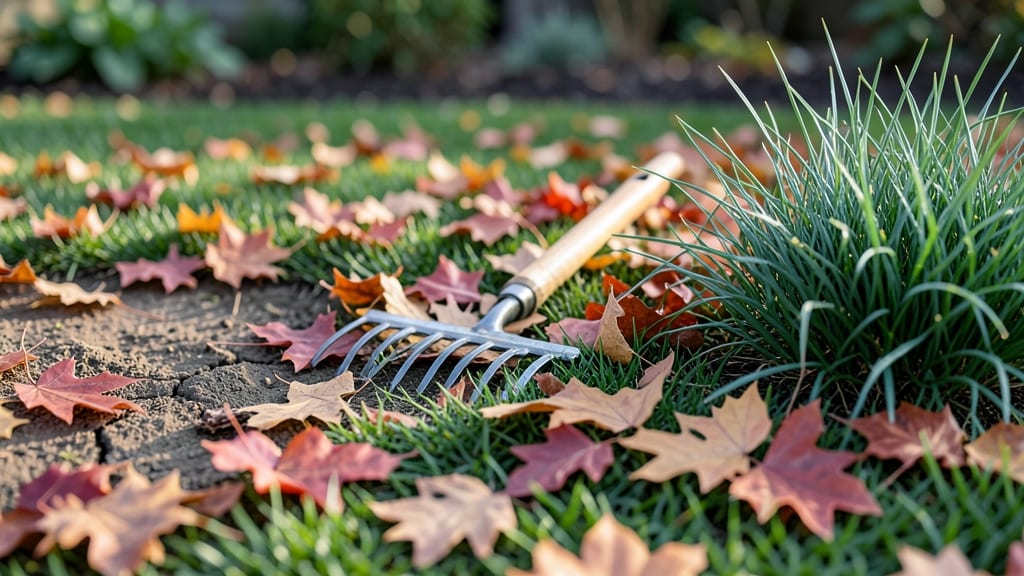
Leaves on lawns aren’t inherently bad—they act as natural mulch, enriching soil with nutrients—but thick layers can smother grass, block sunlight, and trap moisture, promoting fungal growth. Raking or mulching leaves properly prevents damage while boosting soil health.
Leaves actually help lawns in small amounts by breaking down into organic matter that improves soil structure and fertility. 🌿 However, when they pile up too thickly—especially wet leaves—they create a suffocating blanket that chokes grass roots and traps excess moisture, creating ideal conditions for mold and disease.
The key is balance: a thin layer of leaves can nourish your lawn, while thick accumulations will do more harm than good.
Many homeowners don't realize that leaves decompose at different rates depending on their type—maple leaves take longer to break down than oak leaves, for example. This means timing matters when you decide to mulch or rake.
A good rule of thumb is to spread leaves evenly across the lawn at no more than ¼-inch thickness if you want to mulch them in place, or remove them entirely if they're already piled up.
💡 In This Article
- How Fallen Leaves Affect Grass and Soil Chemistry
- Best Ways to Use Fallen Leaves for Lawn Care
How fallen leaves affect grass and soil chemistry
When leaves hit your lawn, they start a chemical process that either nourishes or suffocates your grass. As leaves decompose, they release nutrients like nitrogen, phosphorus, and potassium—critical elements for healthy lawn growth.
A single layer of leaves (¼-inch thick) breaks down in 3-6 months, adding organic matter that improves soil structure and water retention. This is why thin layers act like natural mulch, protecting grass from temperature extremes and erosion.
The problem arises when leaves pile up thicker than ½-inch. Under these conditions, decomposition slows dramatically because oxygen can't reach the bottom layers, creating anaerobic (oxygen-free) zones.
This triggers harmful processes: leaves ferment instead of decomposing, producing foul-smelling compounds like hydrogen sulfide, and the trapped moisture creates a breeding ground for fungal diseases such as brown patch or dollar spot.
The pH of the soil can also shift slightly toward acidity as decaying leaves release organic acids, which may stress grass sensitive to pH changes.
Leaf thickness directly correlates with grass stress levels. Studies show that a 1-inch layer of leaves can reduce grass photosynthesis by up to 30% by blocking sunlight, while 2-inch layers can kill grass entirely in as little as 2 weeks by cutting off oxygen and light.
The texture matters too—wet, heavy leaves (like maple) compact more than lightweight ones (like birch), increasing suffocation risks. Even drought-resistant grasses like Bermuda struggle when smothered under thick leaf layers.
Timing plays a crucial role in how leaves impact your lawn. In early fall, when grass is still growing, leaves can provide nutrients. But by late fall or winter, grass growth slows, making it more vulnerable to suffocation.
The decomposition rate also slows in cooler temperatures, extending the window for potential damage. For example, oak leaves take 6-12 months to decompose fully, while pine needles can take 2-3 years—this means leaves left on the lawn too long may not break down in time to benefit your grass.
Consider the leaf type's chemical composition too. Maple leaves contain tannins that can inhibit decomposition, while oak leaves release more nutrients during breakdown. Pine needles, with their waxy coating, resist decomposition and can lower soil pH over time.
Understanding these variations helps you decide whether to leave leaves on your lawn or remove them—especially if your grass type is sensitive to these chemical shifts.
What most homeowners overlook is how leaf decomposition affects soil microbes. Beneficial bacteria and fungi thrive in well-aerated soil with balanced moisture, but thick leaf layers disrupt this ecosystem.
The microbial activity that normally breaks down organic matter into plant-available nutrients gets stifled, creating a vicious cycle where the soil becomes less fertile over time. This is why proper leaf management isn't just about aesthetics—it's about maintaining the delicate balance of your lawn's microbial community.