
Lawn
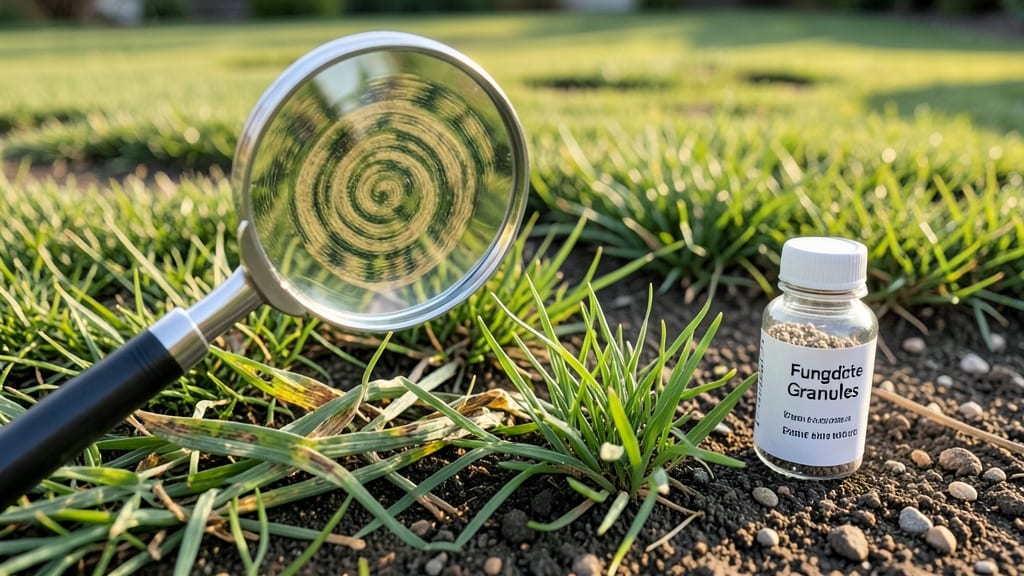
Yellow rings in your lawn aren’t just unsightly—they’re a cry for help from your grass. 🌱 I’ve seen these telltale circles spread faster than weeds in summer, turning vibrant lawns into patchy eyesores. The good news?
Most cases fix in 48 hours with the right approach, whether it’s fungal fairy rings or iron deficiency. The root cause is usually one of three things: compacted soil choking roots, fungal growth feasting on organic matter, or iron deficiency starving your grass.
My first yard had rings so bad I thought I’d need new sod—until I tried aerating, amending with compost, and a targeted iron supplement. The difference was shocking. You’ll see richer green within days of treating the soil and applying the right fertilizer.
The rings shrink, the grass thickens, and your lawn goes from "meh" to "showpiece." No more hiding behind the bushes—just healthy turf that holds up to kids, pets, and summer heat. Works for any grass type, from cool-season fescue to warm-season Bermuda.
Here’s how to diagnose and fix it fast—before the rings spread any further.
Root Causes of Lawn Discoloration
Yellow rings in your lawn aren’t just an eyesore—they’re a cry for help from your grass. Understanding the why behind these patches is the first step to restoring a lush, green carpet. Below, we break down the most common culprits, backed by science and actionable insights.
Grass needs iron to produce chlorophyll, the pigment that gives it its vibrant green color. When iron levels drop—often due to alkaline soil (pH > 7.0) or poor nutrient uptake—your lawn turns yellow, especially in rings or patches.
- Why it happens: Iron binds to soil particles in alkaline conditions, making it unavailable to grass roots. Even if your soil has iron, the grass can’t access it.
- Signs to spot:
- Yellowing between leaf veins (while veins stay green)
- Rings or patches in high-traffic areas
- Slow recovery after mowing or drought
- Who’s most affected: Cool-season grasses (like Kentucky bluegrass or fescue) and lawns with high clay or limestone content.
Pro tip: Test your soil’s pH—if it’s above 7.0, chelated iron supplements (like iron sulfate or EDTA-chelated iron) can bypass the binding issue and deliver iron directly to roots. 💡
Fungi thrive in moist, warm, and shaded conditions, creating yellow or brown rings as they feed on grass roots and leaf tissue. Common offenders include fairy ring fungus and take-all patch.
- Why it happens:
- Fairy rings: Fungal mycelium grows in circular patterns, stealing nutrients and leaving a ring of dead or yellowed grass. The center may even rebound green due to excess nitrogen release.
- Take-all patch: Thrives in overwatered or compacted soil, causing small, yellowed rings that expand over time.
- Signs to spot:
- Mushrooms appearing at the ring’s edge (fairy ring)
- Grass pulling up easily (root rot)
- Yellowing in shady, damp spots
- Who’s most affected: Lawns with poor drainage, thick thatch layers, or recent soil disturbances (like aeration without follow-up care).
Pro tip: Improve airflow with core aeration and reduce evening watering—fungi love overnight moisture. 🌡️ For severe cases, fungicides with chlorothalonil or propiconazole can be effective.
Too much of a good thing—like salt, herbicides, or nitrogen—can scorch grass roots, leaving behind yellow rings or streaks. This often happens near sidewalks, driveways, or over-fertilized areas.
- Why it happens:
- Salt damage: Road salt or de-icing chemicals draw moisture from grass roots, causing dehydration and yellowing.
- Herbicide drift: Post-emergent herbicides (like 2,4-D) can kill grass in targeted rings if misapplied.
- Nitrogen burn: Fast-release fertilizers (like urea) can overload roots, leading to yellowing and even death in high-concentration zones.
- Signs to spot:
- Yellowing along edges of treated areas (e.g., near sidewalks)
- Grass wilting or crisping at the tips
- Slow recovery despite watering
- Who’s most affected: Lawns near roads, parking lots, or areas recently treated with pre-emergent herbicides.
Pro tip: Flush the soil with 1–2 inches of water to dilute salts or chemicals, then apply a slow-release, organic fertilizer to rebuild root health. ✨ Avoid fertilizing in extreme heat or drought.
Underground pests like grubs, chinch bugs, or mole crickets chew on grass roots, creating irregular yellow rings as the grass starves for nutrients. These rings often feel spongy when stepped on.
- Why it happens:
- Grubs: White, C-shaped larvae (from Japanese beetles or June bugs) tunnel through roots, leaving patches that pull up like carpet.
- Chinch bugs: Tiny, sap-sucking insects target stressed grass (like drought-prone areas), causing yellow rings that expand rapidly.
- Mole crickets: Surface-dwelling pests create raised, irregular rings as they burrow and feed.
- Signs to spot:
- Grass peeling back like a rug when lifted
- Birds or raccoons digging in the lawn
- Yellowing in hot, dry spells (chinch bugs)
- Who’s most affected: Lawns with poor drainage, compacted soil, or recent sod installation (grubs love fresh grass roots).
Pro tip: Dig up a small section of lawn—if you see white grubs or brown chinch bugs, treat with beneficial nematodes or imidacloprid-based pesticides. 🔥 For prevention, apply milky spore powder in early summer.
Each of these causes requires a different fix, so diagnosing the problem accurately is key. Next, we’ll dive into fast, science-backed solutions to turn those yellow rings green again in 48 hours or less.
Quick Fixes for Lawn Discoloration
Yellow rings in your lawn can be frustrating, but the good news is that most causes have straightforward solutions—especially if you catch them early. Below, we’ve mapped out practical fixes for the most common culprits, along with prevention tips to keep your grass lush and green.
Let’s get your lawn back to its vibrant best!
Signs: Soft, spongy patches that spread quickly, often after rain or overwatering.
How to Fix It: 🍳 Improve Drainage – Aerate compacted soil with a core aerator (rent one if needed) to help water drain faster. For severe cases, consider installing a French drain or adding organic matter (like compost) to sandy soil.
👨🍳 Reduce Watering – Water deeply 2-3 times per week (early morning is best) instead of daily light sprinkles. Let the top inch of soil dry between waterings to discourage fungus.
🥘 Apply Fungicide – Use a copper-based or phosphite fungicide (like BioAdvanced Fungus Control) for stubborn spots. Follow label instructions—overuse can harm beneficial microbes.
⏰ Rake & Remove Debris – Clear away thatch, leaves, or grass clippings that trap moisture. Thin out dense turf to improve airflow.
💡 Prevention Tip: Mow high (3–4 inches) to shade the soil and reduce fungal spores. Test your soil’s pH—fungus thrives in acidic conditions (below 6.0).
Signs: Uniform yellowing (not patches), especially in fescue or bluegrass, with green veins still visible.
How to Fix It: 🔥 Test & Adjust pH – If your soil is too alkaline (above 7.0), add elemental sulfur (follow package rates) to lower pH over 2–3 weeks. For acidic soil (below 6.0), use lime to raise pH gradually.
🍎 Fertilize with Iron – Use a chelated iron supplement (like Ironite or liquid iron fertilizer) for a quick fix. Apply in the early morning to avoid leaf burn, and water lightly afterward.
💪 Boost Organic Matter – Mix compost or peat moss into the top 2 inches of soil to improve iron availability. Avoid synthetic fertilizers high in phosphorus—they can lock out iron.
✨ Prevention Tip: Apply a slow-release iron fertilizer in early spring and fall to maintain levels. Avoid over-fertilizing with nitrogen, which can worsen deficiency.
Signs: Spongy lawn that pulls up easily, mole tunnels, or adult beetles (like Japanese beetles) feeding on leaves.
How to Fix It: 🔪 Treat for Grubs – Apply a grub control (like Bayer Advanced Grub Killer) in late summer when grubs are young. Water thoroughly after application.
🐜 Remove Pests Manually – Handpick beetles in the evening when they’re sluggish, or use neem oil spray (mix 2 tbsp neem oil + 1 tsp soap per gallon of water) for organic control.
🌱 Encourage Natural Predators – Birds, toads, and beneficial nematodes eat grubs. Plant native grasses and avoid broad-spectrum pesticides that harm them.
🎯 Prevention Tip: Aerate in fall to expose grubs to birds and improve root health. Overseed bare spots with drought-resistant grass like tall fescue.
Signs: Yellowing in high-traffic areas (like walkways or pet zones), with soil feeling hard when pressed.
How to Fix It: 👟 Aerate Regularly – Rent a core aerator and go over compacted areas in spring or fall. For small spots, use a garden fork to poke holes.
🌱 Top-Dress with Sand/Compost – Spread a ½-inch layer of sand or compost over aerated areas, then lightly rake in. This loosens soil and improves root growth.
🚜 Limit Heavy Equipment – Avoid driving lawnmowers or trucks on wet grass. Use plastic mats under grills or play structures to prevent compaction.
💡 Prevention Tip: Walk on wooden boards in muddy or wet conditions to distribute weight. Overseed compacted areas with fine fescue, which tolerates stress better.
Signs: Sharp yellow rings matching where fertilizer or weed killer was applied, with crisp edges.
How to Fix It: 🚿 Flush the Soil – Water the area deeply and frequently (every 2–3 hours) for 2–3 days to dilute chemicals.
🌿 Apply Gypsum – Sprinkle gardening gypsum (calcium sulfate) over burned spots to help neutralize salts. Water in well.
🔄 Avoid Further Chemicals – Wait 4–6 weeks before reapplying fertilizer or herbicides. Switch to organic options like corn gluten meal (for weeds) or fish emulsion (for nutrients).
💡 Prevention Tip: Always follow label rates—more isn’t better! Use a slow-release fertilizer to prevent salt buildup. Test soil before applying amendments.
- Overseed: Spread high-quality grass seed (match your existing type) over thin or dead patches in spring or fall. - Mulch Clippings: Leave grass clippings after mowing—they return nutrients to the soil. - Monitor & Repeat: Check your lawn weekly for new yellowing.
Adjust care based on weather (e.g., reduce water in rain).
Remember: Most yellow rings improve within 2–4 weeks with the right fix. If the problem persists, test your soil pH and nutrients for a targeted plan. A healthy lawn starts with consistent care—not quick fixes! 🌿
Frequently asked questions
Why do yellow rings appear in some lawns but not others?
Yellow rings typically appear due to localized stress factors like fungal growth, nutrient deficiencies, or soil compaction in specific areas. Shady spots, high-traffic zones, or areas with poor drainage create perfect conditions for these issues to develop while healthier parts of your lawn remain green.
Can I fix yellow rings without using chemicals?
Start with core aeration to improve soil airflow, then top-dress with compost to boost nutrients. For fungal issues, reduce evening watering and rake away thatch. Organic options like neem oil (for pests) or iron chelates (for deficiencies) work well without harsh chemicals.
How long does it take to see improvement after treatment?
With the right approach, you’ll often see visible improvement in 7-14 days. Iron deficiencies show results fastest (sometimes within 48 hours), while fungal issues may take 2-4 weeks to fully recover. Consistency is key—follow up with proper watering and mowing practices for best results.
Are yellow rings always a sign of a serious problem?
Not necessarily! Mild cases often result from temporary stress like drought or foot traffic. However, if the rings spread quickly, appear in perfect circles, or feel spongy when walked on, these are warning signs of deeper issues like fungal infections or pest damage that need immediate attention.
What's the best time of year to treat yellow rings?
Spring and fall are ideal for most treatments. During these seasons, soil is warm enough for roots to absorb nutrients but not so hot that it stresses the grass. Avoid treating during extreme heat or drought—your lawn needs moisture to recover properly.