
Lawn
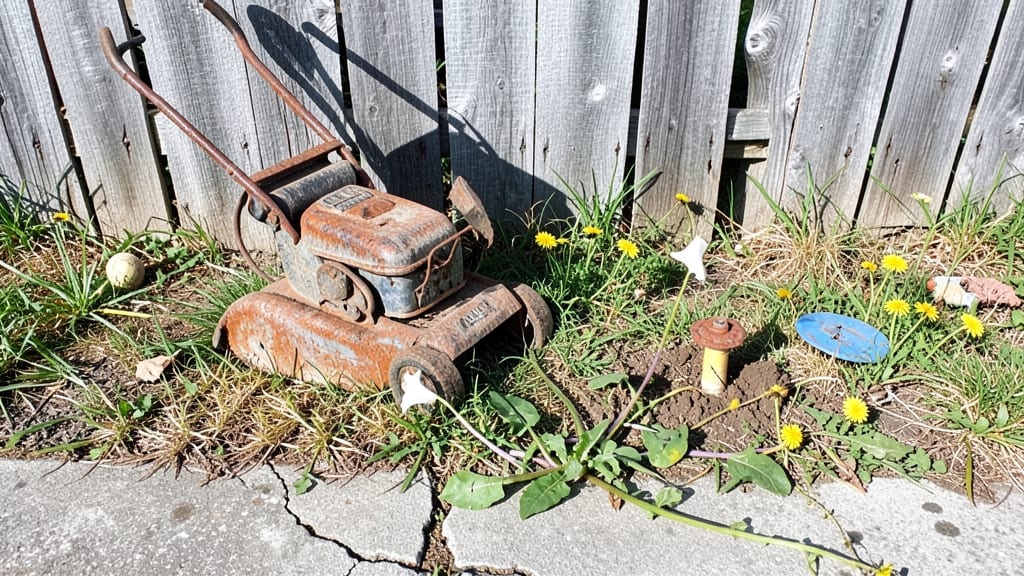
Your "worst lawn ever" isn't a life sentence—just a 7-day rescue mission. 🌱 I've turned brown patches into lush green carpets using the same simple steps that work for compacted soil, overwatering, or nutrient starvation. The secret isn't fancy equipment but understanding what your lawn actually needs.
Start with a soil test ($20 at garden centers) to diagnose the real problem—whether it's thatch buildup, poor drainage, or hidden pests. Most people guess wrong, wasting money on treatments that don't fix the root cause.
My first rescue involved aerating compacted soil and overseeding with the right grass type for my climate. By day 7, you'll see new sprouts pushing through, and within 30 days, neighbors will ask what you did.
The key is consistent watering (deep but infrequent) and weekly maintenance that keeps weeds and pests from sabotaging your progress. This works for any lawn type—cool-season grasses like Kentucky bluegrass or warm-season types like Bermuda. Let's get that green back!
The Real Culprits Behind Lawn Disaster
Your lawn might look like a barren wasteland for reasons you didn’t even realize were lurking under the surface. From hidden soil issues to sneaky pests, the "worst lawn ever" often starts with a few silent, science-backed problems.
Let’s break down the most common causes—and why they turn your green dreams into a patchy nightmare.
Healthy grass needs more than just water—it needs a thriving foundation. If your soil is compacted, nutrient-poor, or overly acidic, your lawn will struggle to grow. Here’s how it happens:
- 🔬 Compacted Soil: Heavy foot traffic, machinery, or even rain can squeeze soil particles together, reducing oxygen and water flow. Roots suffocate, and grass turns thin and yellow.
- Fix it: Aerate in spring or fall to create air pockets. Top-dress with compost to improve structure.
- 🧪 Nutrient Deficiency: Soil tests often reveal low levels of nitrogen, phosphorus, or potassium—the "NPK" trio that fuels grass growth. Without them, blades weaken and die.
- Fix it: Apply a balanced fertilizer (like 10-10-10) and amend soil with organic matter (e.g., peat moss or compost).
- 📉 pH Imbalance: Grass prefers a neutral pH (6.0–7.0). Soil that’s too acidic (low pH) or alkaline (high pH) locks out essential nutrients.
- Fix it: Test your soil and adjust with lime (for acidity) or sulfur (for alkalinity).
Water is life for grass, but too little or too much can spell disaster. Here’s how hydration goes wrong:
- 🚰 Underwatering: Shallow roots develop when grass doesn’t get enough water, making it drought-prone and brown.
- Fix it: Water deeply (1–1.5 inches per week) and early in the morning to reduce evaporation.
- 🌊 Overwatering: Soggy soil suffocates roots and invites fungal diseases like brown patch or dollar spot.
- Fix it: Check soil moisture before watering—stick your finger in! Drainage issues? Add sand or gypsum to improve flow.
- 🌧️ Irregular Watering: Skipping days or uneven coverage leads to patchy growth and stressed grass.
- Fix it: Use a sprinkler timer or smart irrigation system for consistency.
Pests and pathogens don’t announce their arrival—they just move in and throw a party at your lawn’s expense. Here’s how they strike:
- 🐜 Grubs & Insects: White grubs (larvae of beetles) munch on roots, causing brown, spongy patches that pull up easily.
- Fix it: Apply grub control in early summer or use nematodes (microscopic predators).
- 🍄 Fungal Infections: Cool, wet weather breeds fungi like rust or snow mold, which coat grass in orange or gray powder.
- Fix it: Improve airflow with mowing height (3–4 inches) and fungicides if outbreaks persist.
- 🐛 Weeds & Crabgrass: These opportunists thrive in weak lawns, stealing water and sunlight from grass.
- Fix it: Pre-emergent herbicides in spring and regular mowing to outcompete weeds.
Your mower might be the culprit if you’re scalping grass or leaving clippings behind. Here’s how bad habits backfire:
- 🔪 Cutting Too Short: Removing more than ⅓ of the grass blade stresses the plant, exposing roots to heat and sun.
- Fix it: Keep grass at its ideal height (e.g., 3–4 inches for cool-season grasses).
- 🌾 Leaving Clippings: Thatch buildup (a layer of dead grass) blocks water and air from reaching the soil.
- Fix it: Bag clippings occasionally or use a mulching mower to break them down.
- 🕒 Mowing at the Wrong Time: Dull blades tear grass, inviting disease. Mowing when grass is wet spreads fungus.
- Fix it: Sharpen blades regularly and mow when grass is dry.
Extreme heat, cold snaps, or sudden droughts can turn a healthy lawn into a crime scene overnight. Here’s how climate plays dirty:
- ☀️ Heat Stress: Dormancy sets in during summer droughts, turning grass brown—even if it’s not dead.
- Fix it: Reduce watering slightly and overseed in fall for resilience.
- ❄️ Winter Burn: Salt or freezing temps damage roots, leaving yellow patches in spring.
- Fix it: Use ice melt sparingly and apply winterizer fertilizer in late fall.
- 🌪️ Wind & Foot Traffic: High winds dry out grass, while pet urine or footpaths compact soil.
- Fix it: Reseed bare spots and redirect traffic to paths.
Most "worst lawn ever" scenarios start with one (or more) of these hidden issues. The good news? They’re all fixable with a little science and elbow grease. Next up: how to turn your lawn around in just 7 days! 🚀
Revive Your Lawn in 7 Days
Transforming your lawn from a barren eyesore to a lush, envy-inducing green space is entirely possible—even in just a week! The key is identifying the root cause of your lawn’s struggles and taking targeted action.
Below, we break down the most common issues and the practical, step-by-step fixes to get your grass back on track. Plus, we’ll share prevention tips to keep your lawn thriving long-term.
Cause: Compacted, nutrient-poor, or overly dry soil strangles grass roots. Fix:
- 🔥 Aerate Aggressively – Rent a core aerator (or spike with a garden fork if needed) to break up compacted soil. Focus on high-traffic areas.
- 🍳 Top-Dress with Compost – Spread a ¼-inch layer of high-quality compost or a 50/50 mix of compost and sand. This adds organic matter and improves drainage.
- 👨🍳 Overseed Bare Spots – Choose a fast-growing grass seed blend suited to your climate. Lightly rake the soil, scatter seeds, and cover with a thin layer of straw.
- 🥘 Water Deeply – Soak the area twice daily for the first 3 days, then taper to once daily. Keep soil moist but not soggy.
💡 Prevention Tip: Aerate twice a year (spring and fall) to prevent compaction. Avoid walking on wet grass!
Cause: Overwatering, poor drainage, or thick thatch invites mushrooms, mold, or brown spots. Fix:
- ⏰ Adjust Watering – Water early in the morning (before 9 AM) and avoid overhead sprinklers. Let grass dry between waterings.
- 🔪 Trim the Thatch – Use a dethatching rake or vertical mower to remove excess buildup (¼ inch or thicker).
- 🌡️ Apply Fungicide – Use a copper-based or organic fungicide (like neem oil) for mild cases. For severe infections, opt for a systemic fungicide (follow label instructions).
- 🎯 Improve Airflow – Thin out dense grass with a mower set high (3–4 inches) to reduce humidity trapped near the soil.
💡 Prevention Tip: Mow regularly (never remove more than ⅓ of the blade height) and avoid heavy foot traffic on damp grass.
Cause: Grubs, chinch bugs, or sod webworms munch on roots, leaving brown patches that pull up easily. Fix:
- 🔥 Inspect for Signs – Dig up a small patch of grass. If you see white grubs or tiny bugs, you’ve got a pest problem.
- 🍳 Use Natural Deterrents First – Spread diatomaceous earth or milky spore powder (for grubs) and water lightly.
- 👨🍳 Apply Granular Insecticide – For severe infestations, use a bifenthrin or imidacloprid-based product (follow package rates).
- 🥘 Rebuild the Lawn – After treating, overseed and fertilize to help grass recover faster.
💡 Prevention Tip: Encourage beneficial nematodes (microscopic predators of grubs) by avoiding chemical pesticides that harm them.
Cause: Thin grass lets weeds (crabgrass, clover, dandelions) dominate. Fix:
- 🔪 Pull or Dig Weeds – For broadleaf weeds, use a weed puller or vinegar spray (3% acetic acid). For grassy weeds, spot-treat with corn gluten meal (pre-emergent).
- 🌱 Overseed Thickly – Fill bare spots with dense, competitive grass seed (like tall fescue or Kentucky bluegrass).
- 🥘 Apply Pre-Emergent – In early spring, use a pre-emergent herbicide to block new weed seeds from sprouting.
- 🎯 Mow High – Keep grass at 3–4 inches to shade out weeds naturally.
💡 Prevention Tip: Feed your lawn with a slow-release fertilizer (like 16-4-8) in early fall to strengthen grass roots.
Cause: Underwatering or heat stress turns grass brittle and brown. Fix:
- 🥘 Deep Watering Schedule – Water deeply 2–3 times per week (early morning) instead of daily shallow sessions. Aim for 1–1.5 inches per week.
- 🍳 Mulch with Grass Clippings – Leave clippings after mowing to retain moisture.
- 🌱 Choose Drought-Tolerant Grass – If your lawn is chronically dry, consider tall fescue or buffalo grass for better resilience.
- 🎯 Reduce Foot Traffic – Avoid walking on stressed grass to prevent further damage.
💡 Prevention Tip: Install a smart sprinkler system or soaker hoses for efficient watering.
Final Pro Tip: 🌟 Test your soil (DIY kits at garden centers) to check pH and nutrient levels. Adjust with lime (for acidic soil) or sulfur (for alkaline soil) before fertilizing.
With these targeted fixes, your lawn can go from "worst ever" to "wow, look at that green!" in just 7 days. Roll up your sleeves—your future neighbors will thank you!
Frequently asked questions
Why does my lawn look dead but isn't actually dead?
Grass can appear brown and lifeless during drought or extreme heat, but it's often just dormant. Many grass types go dormant to conserve water, especially warm-season grasses like Bermuda or Zoysia. Check for signs of life by pulling up a small patch—if roots are still white and firm, your lawn is just resting and will bounce back with proper watering.
Can I fix my lawn in less than 7 days?
You'll see visible improvement in 7 days, but full recovery takes 30-60 days depending on the damage. The first week focuses on jumpstarting growth with aeration, overseeding, and proper watering. After that, consistent care (fertilizing, mowing correctly) will determine how quickly your lawn transforms completely.
What's the fastest way to kill weeds without harming grass?
For broadleaf weeds, spot-treat with a vinegar-based herbicide (3% acetic acid) on sunny days. For grassy weeds like crabgrass, use corn gluten meal as a pre-emergent in early spring. The key is precision—always apply when weeds are actively growing and avoid spraying on windy days to protect your grass.
Is it better to rent or buy lawn care equipment?
For one-time fixes (like aerating or dethatching), renting is cost-effective. A core aerator rents for $60-$100/day, while buying one costs $200-$400+. If you'll use equipment multiple times, buying makes sense long-term. For occasional tasks, check local hardware stores—they often offer discounts for weekly rentals.
How do I know if my brown patches are from grubs or disease?
Dig up a small patch—if you see white grubs (larvae) or tiny bugs, it's an insect problem. For disease, look for orange rust (fungal spots) or gray mold. Pull up a section: if roots are healthy but blades are brown, it's likely disease. If roots are chewed or missing, grubs are the culprit.