
Lawn
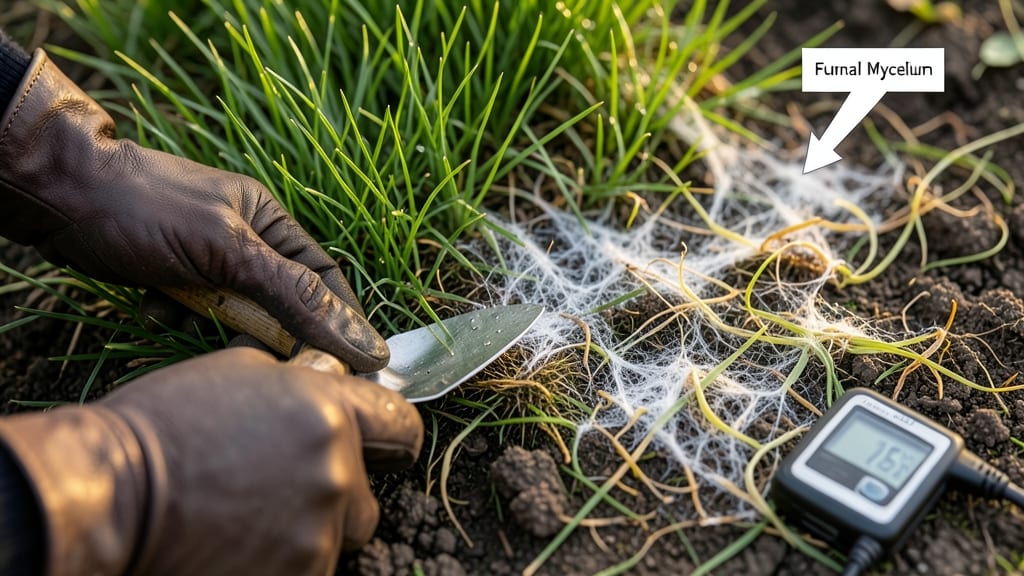
That white fungus in the soil under your lawn isn't just unsightly—it's stealing nutrients from your grass roots. 🌱 I've seen it turn vibrant lawns into patchy, weak messes, but here's the good news: you can eliminate it without harming your grass if you act now.
The culprit is usually excess moisture or poor drainage, combined with organic debris that gives fungi a cozy place to grow. My first mistake was blaming the grass itself—until I realized the real problem was the soil conditions I'd ignored for years.
With the right approach, you'll restore your lawn to thick, green perfection in just a few weeks. We're talking aeration, proper watering, and targeted treatments that work with nature—not against it. This method works for any lawn type, from cool-season grasses to warm-season varieties. Let's get your soil healthy again!
Understanding The Root Causes
That mysterious white fungus creeping under your lawn isn’t just an eyesore—it’s a sign your soil’s delicate balance is out of whack. Whether it’s mold, mildew, or a fungal infection like snow mold or pink root, these organisms thrive when conditions become just right.
Let’s break down the key reasons why this happens, so you can address the problem at its source.
Fungi love moisture—think of them as the aquatic invaders of your lawn. When soil stays damp for extended periods, it creates the perfect breeding ground for white fungal growth. Here’s why this happens:
- Compacted soil prevents water from draining properly, leaving pockets of excess moisture where fungi can spread.
- Heavy rainfall or irrigation oversaturation can drown grass roots, weakening them and making the lawn more susceptible to fungal attacks.
- Clay-heavy soil holds water like a sponge, creating a consistently damp environment that fungi adore.
Actionable fix: Improve drainage by aerating your lawn in the fall (when fungi are less active) and consider adding organic matter like compost to help soil absorb and release water more efficiently.
Fungi aren’t just opportunists—they’re also scavengers. When your lawn lacks essential nutrients, fungi move in to decompose organic matter, leaving behind that telltale white film. Here’s how nutrient imbalances contribute:
- Low nitrogen levels weaken grass, making it easier for fungi to take hold. Nitrogen is crucial for strong root and shoot growth.
- Excess phosphorus can promote fungal growth by creating an environment where decomposers thrive.
- Imbalanced pH levels (too acidic or alkaline) disrupt beneficial soil microbes, allowing fungi to dominate.
Actionable fix: Conduct a soil test to identify deficiencies. If nitrogen is low, apply a slow-release fertilizer. If pH is off, amend the soil with lime (to raise pH) or sulfur (to lower it). Avoid over-fertilizing, as this can worsen the problem.
Thatch—a layer of dead grass, roots, and organic matter—can act like a fungal blanket. When it accumulates too thickly (over ½ inch), it traps moisture, blocks airflow, and creates a cozy hideout for fungi. Here’s how it happens:
- Lack of proper mowing height leaves clippings too long, contributing to thatch buildup.
- Overuse of broadleaf herbicides can kill beneficial microbes that help break down thatch naturally.
- Poor lawn maintenance (like infrequent raking or overseeding) allows debris to pile up.
Actionable fix: Dethatch your lawn in early spring or fall using a rake or a dethatching machine. Keep mowing at the recommended height for your grass type (usually 2–3 inches) to prevent excessive clippings. Regular overseeding can also help reduce thatch over time.
Fungi like snow mold and pink patch often appear after prolonged periods of cold, wet weather. These conditions slow down grass growth while creating ideal fungal environments. Here’s the science behind it:
- Cold temperatures weaken grass, making it less competitive against fungi.
- Frequent dew or frost keeps the soil surface damp for hours, giving fungi the moisture they need to spread.
- Slow decomposition of organic matter in cold soil means more fuel for fungal growth.
Actionable fix: If your lawn is prone to winter fungal issues, improve airflow by spacing out grass clumps and avoid walking on wet grass. In early spring, apply a fungicide labeled for snow mold or pink patch if the problem persists.
Sometimes, fungi hitch a ride on the back of other lawn problems. Insects like grubs, chinch bugs, or sod webworms can damage grass roots, creating entry points for fungal infections. Here’s how it plays out:
- Grubs feeding on roots weaken the grass, making it vulnerable to secondary fungal infections.
- Chinch bugs sucking plant juices stress the lawn, reducing its ability to fight off fungi.
- Dead or dying patches from pest damage become prime real estate for fungal spores.
Actionable fix: Treat pest infestations early with targeted insecticides or natural predators like beneficial nematodes. Strengthen your lawn’s defenses with proper fertilization and watering to help it recover faster.
How to Treat and Prevent Fungal Issues
White fungus in soil—often mistaken for mold or mildew—can weaken your lawn’s roots and disrupt its health. The good news? With the right approach, you can eliminate it safely and keep your grass thriving.
Below are targeted solutions based on the most common causes, along with preventive tips to stop it from returning.
If your lawn stays soggy for too long, excess moisture creates the perfect breeding ground for fungal growth.
✅ Step-by-Step Fix:
- 🌧️ Adjust Your Watering Schedule
- Water deeply 2–3 times per week (early morning, 6–10 AM) instead of daily light sprinkles.
- Aim for ½ to 1 inch of water per session—let the top 2–3 inches of soil dry between waterings.
- Pro Tip: 💡 Use a rain gauge or tuna can to measure water output accurately.
- 🚿 Improve Soil Drainage
- Aerate compacted soil (rent a core aerator or hire a pro) to help water absorb better.
- Add organic matter (compost or peat moss) to improve drainage in heavy clay soils.
- If water pools after rain, consider grading the lawn to redirect runoff.
- 🌿 Mow High and Leave Clippings
- Set your mower to 3–4 inches to shade soil and reduce evaporation.
- Leave grass clippings (they decompose into natural fertilizer).
If you’ve ruled out moisture issues, the fungus may need a stronger intervention—but avoid harsh chemicals that harm grass roots.
✅ Step-by-Step Fix:
- 🧴 Apply a Natural Fungicide
- Baking soda spray (1 tbsp baking soda + 1 gallon water + a drop of dish soap) – spray on affected areas.
- Neem oil solution (1 tbsp neem oil + 1 quart water + ½ tsp mild soap) – spray in the evening to avoid burning grass.
- Hydrogen peroxide (3%) – mix 1 part peroxide to 16 parts water, spray lightly (test a small area first).
- 🌱 Rake and Remove Debris
- Clear away thatch, dead grass, and organic debris where fungus thrives.
- Bag and dispose of heavily infected material (don’t compost it).
- 🔄 Reapply Every 7–10 Days
- Fungal spores are stubborn—consistency is key. Repeat treatments until the white growth disappears.
Imbalanced soil pH or over-fertilizing can weaken grass, making it susceptible to fungal attacks.
✅ Step-by-Step Fix:
- 📊 Test Your Soil’s pH
- Ideal lawn pH: 6.0–7.0 (test with a DIY kit from a garden center).
- If too acidic (below 6.0), apply lime (follow package rates).
- If too alkaline (above 7.0), use sulfur or peat moss.
- 🌱 Fertilize Smartly
- Avoid nitrogen-heavy fertilizers in summer (they promote lush growth that attracts fungus).
- Switch to a slow-release, balanced fertilizer (e.g., 10-10-10) in spring/fall.
- Pro Tip: 🎯 Overseeding in early fall strengthens grass density, reducing fungal entry points.
- 🍄 Use Beneficial Microbes
- Apply mycorrhizal fungi (available as powders or granules) to outcompete harmful molds.
- Compost tea (homemade or store-bought) boosts soil microbes that suppress fungus.
Once your lawn is fungus-free, keep it that way with these low-maintenance habits:
| Prevention Tip | How to Do It | Best Time |
|---|---|---|
| 🌡️ Avoid Late-Day Watering | Water before 10 AM to allow foliage to dry by evening. | Year-round |
| 🌿 Sharpen Mower Blades | Dull blades tear grass, inviting disease. Sharpen every 20–30 hours of use. | Spring & Fall |
| 🍂 Clean Lawn Tools | Disinfect mowers, rakes, and aerators with bleach solution (1:9 bleach:water) after each use. | After each session |
| 🌱 Dethatch Annually | Remove thatch buildup (¼ inch or thicker) to improve airflow. | Early Spring |
| 🚫 Skip Fall Fertilizer | Hold off on nitrogen until early spring to prevent winter fungus. | Late Fall |
✨ Final Reminder: Fungal issues often return if the underlying conditions (moisture, poor drainage, weak grass) aren’t addressed. Act fast—the sooner you adjust watering, aerate, and apply natural treatments, the quicker your lawn will bounce back! 🌱💪
Frequently asked questions
Is white fungus in my lawn soil always harmful?
Not all white fungus is harmful! Some types are harmless decomposers that break down organic matter. The dangerous ones (like snow mold or pink root) attack grass roots. Check for thinning grass or circular patches—if you see those, it's time to act. Always test a small area first if you're unsure.
Can I just remove the white fungus by raking it away?
Raking helps, but it's not enough on its own. The fungus spreads through spores in the soil, so simply removing the visible growth won't stop new outbreaks. You'll need to combine raking with treatments (like neem oil or baking soda spray) and fix the underlying issues (like drainage or thatch buildup).
How do I know if my lawn needs aeration to fix this?
Do the squeeze test: Press your thumb into the soil. If it springs back slowly or water pools after rain, your lawn needs aeration. Compacted soil traps moisture, creating perfect fungus conditions. Aerate in fall (when fungi are less active) for best results—rent a core aerator or hire a pro if needed.
Will chemical fungicides actually work better than natural remedies?
Chemical fungicides can work faster, but they often harm beneficial soil microbes and grass roots. For most lawns, natural remedies (like hydrogen peroxide or compost tea) are safer and just as effective when applied consistently. If you choose chemicals, opt for systemic fungicides (like propiconazole) and follow label instructions precisely.
How long will it take to see improvement after treatment?
With proper treatment, you should see visible improvement in 7–14 days. For stubborn cases, it may take up to 3–4 weeks. The key is consistency—reapply treatments every 7–10 days and keep fixing the root causes (like watering habits or soil pH). Patience pays off for a healthy lawn!