
Lawn
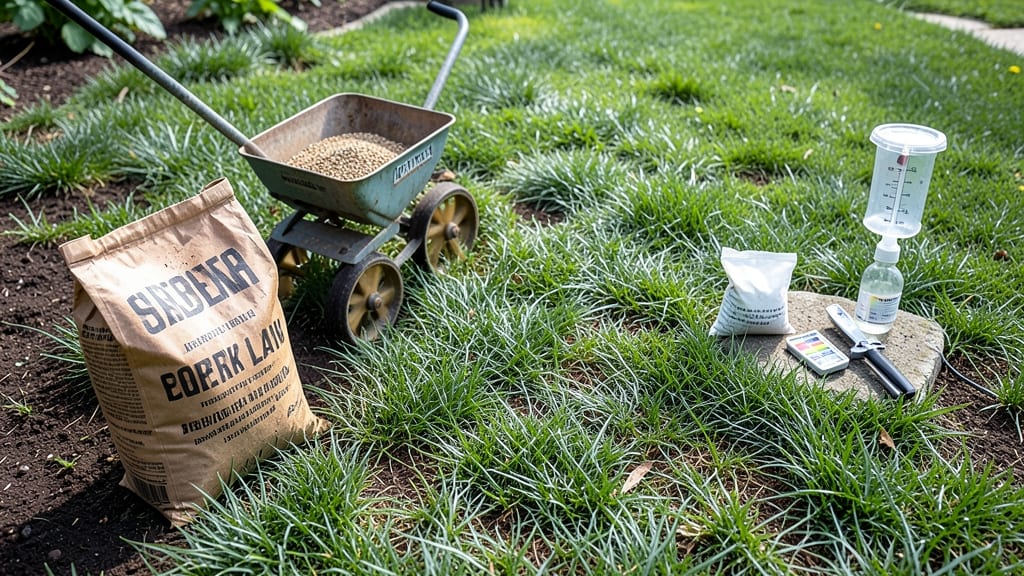
Spring fertilizing lawn at the right time is the difference between a lush green carpet and a patchy, struggling yard 🌱 — and the clock starts when soil hits 50°F.
You’ve probably heard "spring is the best time," but that’s too vague. Too early and you risk burning tender grass; too late and you miss the root-growth window. The secret? Waiting for that first mowing of the season — a clear signal your lawn is ready for nutrients.
Regional differences matter, too. In Zone 6a, that’s usually late March to early April, but warmer climates can stretch it into May. I’ll show you how to test soil temperature (no fancy tools needed) and spot the signs your lawn is begging for fertilizer.
From pre-emergent prep to choosing the right fertilizer, this guide cuts through the guesswork so you can feed your lawn the smart way — no wasted money or over-fertilized brown spots.

Soil temperature rules for spring lawn fertilization (exact timing guide)
Spring is the golden window for lawn revival—but fertilizing too early or late can waste money and harm your grass. The secret lies in soil temperature, not just the calendar date.
When soil warms to 50°F (10°C) consistently, your grass roots wake up and soak up nutrients efficiently. Before that? Fertilizer just sits there, wasting your investment and potentially burning tender grass.
This 50°F rule is your golden benchmark. It ensures nutrients activate when grass needs them most—right as new growth begins. But timing varies by region: Southern lawns may hit this mark in February, while Northern yards might wait until May. Never guess—test your soil first!
Here’s the science: Cold soil slows microbial activity, preventing fertilizer breakdown. At 50°F+, beneficial microbes multiply, converting nutrients into forms your grass can use. This is why pre-emergent herbicides (applied in early spring) need different timing than spring fertilizers.
| Region | Soil Temp Threshold | Best Months | Key Signs |
|---|---|---|---|
| Southern US (Zones 7-10) | 50°F+ (Feb-Mar) | February-April | Dandelions blooming, soil feels warm to touch |
| Midwest (Zones 5-6) | 50°F+ (Apr-May) | April-May | First robins arrive, grass turns green |
| Northern US (Zones 3-4) | 50°F+ (May-June) | May-June | Frost-free nights, clover sprouts |
🌡️ Pro Tip: Check soil temp at 6 AM for accuracy—early morning readings are most reliable.
Testing soil temperature is easier than you think. Grab a soil thermometer (available for $10-$15) and insert it 2-3 inches deep—where grass roots thrive. If it reads below 50°F, wait.
For a DIY test, press your hand into the soil: if it feels cold like a fridge door, delay fertilization.
Regional differences matter more than you’d expect. In Zone 7, I fertilize by March 15; in Zone 4, I wait until June 1.
The key is consistency: fertilize when soil stays above 50°F for 3+ days. Use a minimum-maximum thermometer to track trends over a week.
Watch for grass growth signs before fertilizing. When you see 10-15% new green blades (test by pulling a small patch of sod—if it resists, roots are active), it’s time.
This usually aligns with soil temps of 55°F+. Early fertilizers risk burning tender shoots, while late applications miss the growth window.
Ever wondered why some lawns look lush while others struggle? Timing is 60% of the battle. Fertilizer applied at 40°F sits dormant until soil warms, delaying growth by 2-4 weeks. That’s why I always test soil temp before reaching for my spreader. Patience here saves money and stress.
For cool-season grasses (like Kentucky bluegrass), aim for 50-55°F—they’re early bloomers. Warm-season grasses (like Bermuda) need 60°F+. Use a moisture meter too: dry soil can give false "warm" readings. Water lightly before testing for accurate temps.
Remember: Fertilizer burns happen when grass can’t process nutrients. If you see yellow patches within days of applying, you fertilized too early. Next time, wait until soil hits 55°F and water thoroughly after application. This flushes excess salts away from roots.
Now’s the time to mark your calendar! Set a reminder for when your region typically hits 50°F, then test soil the week before. If you’re in doubt, wait one more week. Your lawn’s long-term health depends on this simple rule—don’t rush it! 🌱
How to prepare your lawn for fertilizer (pre-mowing checklist)
Before you even think about spreading fertilizer, your lawn needs a solid prep routine. Skipping these steps means wasted money and weak grass growth.
Think of it like giving your lawn a spa day before the big nutrient boost—it’ll make all the difference in how well it absorbs and uses those essential nutrients.
Start by checking your mowing height. For spring, raise your mower blade to 3-4 inches to protect tender new growth. Taller grass shades out weeds and holds moisture better, which is crucial when fertilizer kicks in.
This is especially important if you’re dealing with cool-season grasses like fescue or ryegrass.
Next, tackle dethatching if your lawn feels spongy or has a thick layer of dead grass. Use a rake or dethatching attachment on your mower to remove thatch buildup—over ½ inch can block water and nutrients.
Focus on areas where grass looks stressed or where you’ve noticed bare patches forming.
⚠️ Critical Timing Warning
Never fertilize before your first spring mowing—wait until after the second mowing when grass is actively growing. Applying fertilizer too early can burn tender new shoots. Also, avoid fertilizing within 48 hours of rain or when soil temps exceed 85°F, as nutrients will wash away or volatilize.
Now’s the time for aeration if your lawn has compacted soil. Rent a core aerator or use a manual spike aerator to create holes every 2-3 inches.
This lets air, water, and nutrients reach the roots where they’re needed most. For best results, aerate when the soil is slightly moist—not soggy, not dry.
Pay attention to weather forecasts in the days leading up to fertilization. You want dry conditions for at least 24-48 hours after applying fertilizer to prevent runoff.
If rain is in the forecast, reschedule your application. Extreme heat—above 90°F—can also stress grass, so aim for early morning applications when temperatures are cooler.
Finally, give your lawn a light watering the day before fertilizing to help the granules stick to the blades. This isn’t a deep soak—just enough to dampen the surface.
After applying fertilizer, water again to activate the nutrients without causing runoff. Think of it as giving your lawn a drink to help it absorb the good stuff.
With these prep steps complete, your lawn will be ready to soak up fertilizer like a sponge—leading to thicker grass, deeper roots, and a lawn that stays green all season long. 🌱