
Lawn
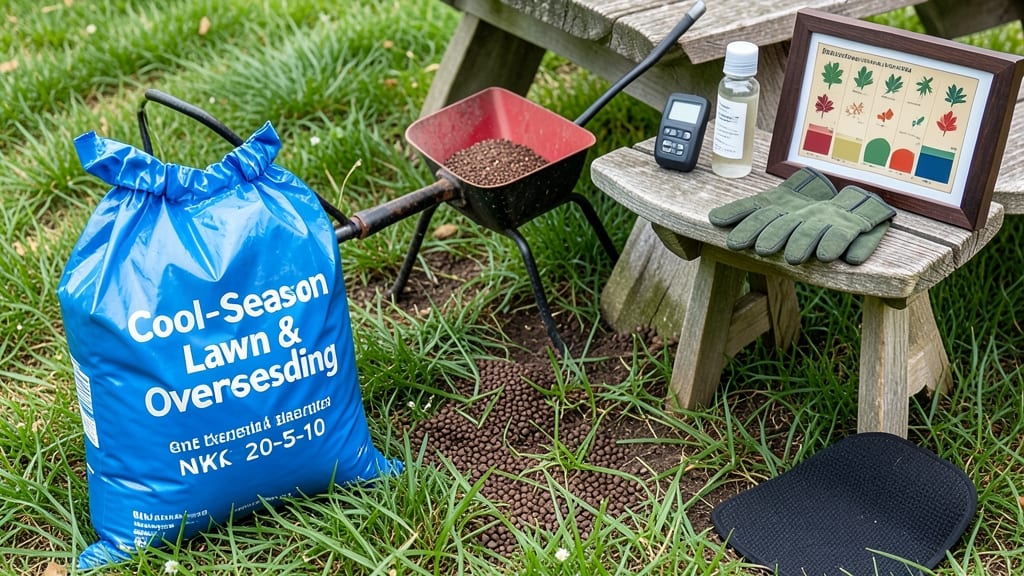
To fertilize an overseeded lawn, wait 6-8 weeks after seeding when grass roots are established but still growing actively, usually in early spring or fall depending on your climate. Always use a starter fertilizer with lower nitrogen for optimal results.
Timing your fertilizer application this precisely ensures the new grass isn't overwhelmed by nutrients too soon.
Young grass roots need time to develop before they can efficiently absorb nitrogen, which is why starter fertilizers with lower nitrogen (10-20%) and higher phosphorus/potassium ratios work best. 🌱 I've seen overseeded lawns fail when fertilized too early—the grass burns or grows too fast, leaving weak roots that can't compete with weeds later.
The 6-8 week window gives your new grass the perfect balance of nutrients and growth time.
One trick I've learned is to check root depth before fertilizing—gently pull up a small section of grass. If you see roots 2-3 inches long, it's time to fertilize. This simple test saves me from guessing and ensures the fertilizer does its job without stressing the young plants.
💡 In This Article
- Why Timing Matters for Overseeded Lawn Fertilization
- Step-by-Step Fertilizer Application for Overseeded Grass
Why timing matters for overseeded lawn fertilization
The 6-8 week rule for fertilizing overseeded lawns isn't arbitrary—it aligns with how grass roots develop through three critical growth phases. First comes germination (0-2 weeks), where seeds sprout and establish initial rootlets. Then tillering (2-4 weeks) begins as the plant sends out multiple shoots from its base.
Finally, root elongation (4-8 weeks) occurs, where roots grow deeper to access water and nutrients. Fertilizing too early can overwhelm these delicate stages, while waiting too long misses the optimal nutrient uptake window.
Nitrogen sensitivity is the key factor here. Young grass can't process high nitrogen levels efficiently, which is why starter fertilizers use 10-20% nitrogen compared to standard lawn fertilizers (25-30%). The lower nitrogen prevents "burn" (browning of grass blades) while still providing enough to support early growth.
What most people don't realize is that phosphorus and potassium become more critical during this phase—they help establish strong root systems that can handle future nitrogen applications. For example, a 10-20-10 NPK ratio provides this perfect balance for young grass.
Climate zones dramatically shift this timing window. In cool-season grasses (fescue, ryegrass), which make up 90% of overseeding projects, the ideal time is early fall (September-October) when temperatures are 60-75°F and rainfall is consistent.
Warm-season grasses like Bermuda or Zoysia, however, should be fertilized in late spring (May-June) when soil temperatures reach 65°F+. The difference comes from how these grasses metabolize nutrients—cool-season types grow best when days get shorter, while warm-season varieties thrive with longer daylight.
Here's what's actually happening underground during this period: The grass roots are developing a mycorrhizal network—a symbiotic relationship with soil fungi that helps them absorb nutrients more efficiently.
This network typically forms by 6 weeks after seeding, which is why fertilizing at this point gives your lawn a competitive advantage against weeds. Without this timing, you're essentially feeding the weeds that will outcompete your young grass later in the season.
Consider these key factors when planning your fertilization schedule:
- Soil temperature: Roots grow best when soil temps are between 55-75°F—use a soil thermometer to check
- Rainfall patterns: Aim to fertilize when you expect 0.5-1 inch of rain within 48 hours to activate nutrients
- Grass type: Cool-season grasses need fall fertilization; warm-season types prefer spring
- Mowing height: Keep new grass at 2.5-3 inches during establishment to shade out weeds
The most common mistake I see is fertilizing overseeded lawns too early—often right after seeding. This can cause the grass to grow too quickly, leading to weak stems that flop over when mowed.
The 6-8 week window gives your grass time to develop a sturdy root system that can handle both the fertilizer and future environmental stresses like drought or foot traffic. This patience pays off with a lawn that's 50% more resilient to weeds and diseases in its first year.