
Lawn
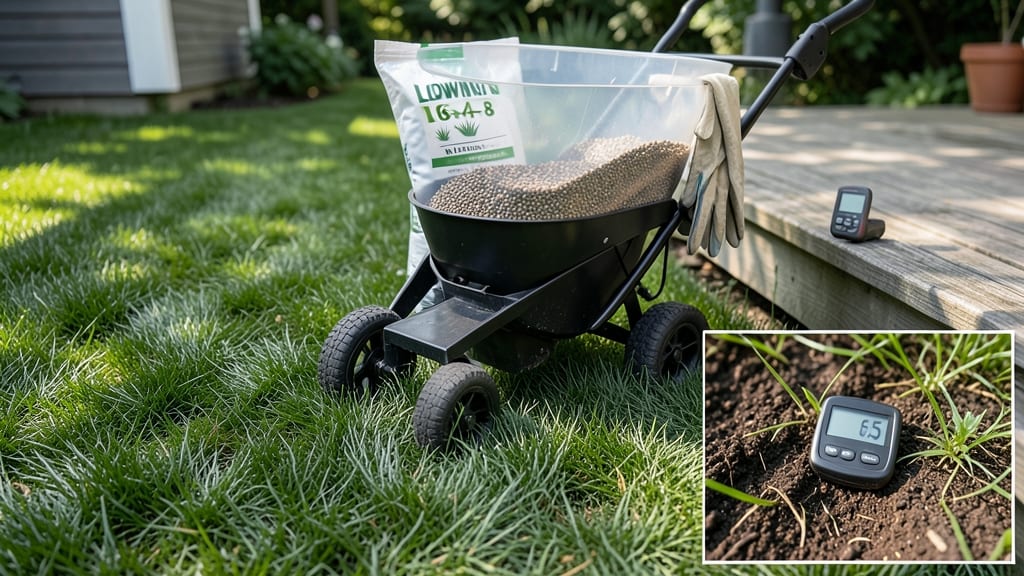
To fertilize your lawn, aim for early spring (March–April) and late summer (August–September) when soil temperatures reach 55–65°F, as this encourages robust root development and nutrient uptake while avoiding winter dormancy or summer heat stress. Always adjust your schedule based on your specific grass type and local climate conditions.
The best time to fertilize your lawn hinges on two key factors: soil temperature and grass type. 🌱 Cool-season grasses like fescue and ryegrass thrive when soil is between 55–65°F, which typically aligns with spring and fall in most regions.
Warm-season grasses such as Bermuda and Zoysia, however, prefer 75–85°F soil temperatures, making late spring to early summer their ideal fertilization window. Understanding these triggers helps you avoid over-fertilizing during dormant periods or under-fertilizing when growth peaks.
Your climate zone plays a critical role too. Northern regions should focus on early spring applications to jumpstart growth after winter, while Southern climates benefit from late summer fertilizing to prepare for fall's cooler months.
Pro tip: Use a soil thermometer to verify temperatures before applying fertilizer—this small step can save you money and protect your lawn from potential burn or nutrient waste.
💡 In This Article
- How Soil Temperature and Grass Type Dictate Fertilization Timing
- Seasonal Fertilizer Application Checklist by Climate Zone
How soil temperature and grass type dictate fertilization timing
Soil temperature isn't just a number—it's the thermostat for your lawn's growth cycle. Cool-season grasses like Kentucky bluegrass and tall fescue enter their active growth phase when soil temperatures consistently stay between 55–65°F.
At these temperatures, microbial activity in the soil peaks, breaking down fertilizer nutrients into forms the grass can absorb efficiently. Below 55°F, roots slow down or even go dormant, making fertilizer a wasted expense. Above 65°F, the grass may burn from excess nutrients it can't process quickly enough.
Warm-season grasses like Bermuda and St. Augustine grass, on the other hand, need soil temperatures between 75–85°F to thrive. This higher threshold triggers their natural growth hormones, allowing them to utilize nitrogen and phosphorus most effectively.
Fertilizing these grasses when soil is cooler (65°F) can lead to yellowing or even death, as the plant struggles to metabolize the nutrients.
The key difference lies in their root systems—cool-season grasses have deeper, more resilient roots that can handle cooler temps, while warm-season varieties have shallower roots adapted to heat.
Timing matters because grass growth follows a predictable cycle tied to temperature. In spring, cool-season grasses wake up from winter dormancy when soil warms to 55°F, making March–April the perfect window for their first feeding. Late summer (August–September) offers a second chance to strengthen roots before winter.
Warm-season grasses, however, should be fertilized in late spring to early summer when soil hits 75°F, aligning with their peak growth period. Miss these windows, and you risk either stunting growth or wasting fertilizer on dormant grass.
Over-fertilizing at the wrong time can cause more harm than good. When soil is too cold, excess nutrients sit in the root zone, attracting pests like chinch bugs or even burning tender new shoots.
Conversely, applying fertilizer when soil is too hot can lead to rapid nutrient uptake that stresses the plant, causing brown patches. Think of it like feeding a child a full meal when they're sick—they can't process it properly, and it might make them worse.
A soil thermometer (available for $15–$25) takes the guesswork out by giving you real-time data on when your lawn is ready for nutrients.
Grass type also influences how quickly it responds to fertilizer. Fine fescue, for example, absorbs nutrients slowly and benefits from slow-release fertilizers, while aggressive grasses like Bermuda thrive with quick-release options during their active growth phase.
The wrong fertilizer type at the wrong time can create imbalances—too much nitrogen in summer might produce lush but weak growth, while too much phosphorus in fall can lead to thatch buildup. Always match your fertilizer to your grass's current needs and the season's demands.
Regional climate adds another layer of complexity. In the Pacific Northwest, where cool-season grasses dominate, you might need a third fertilization in early fall to prepare for winter. In the Deep South, warm-season grasses may require a mid-summer feeding to combat heat stress.
Local extension offices often provide free soil tests that reveal not just temperature preferences but also pH levels—another critical factor in nutrient absorption. For example, a soil pH below 6.0 can lock out essential nutrients, no matter how perfect the timing.