
Lawn
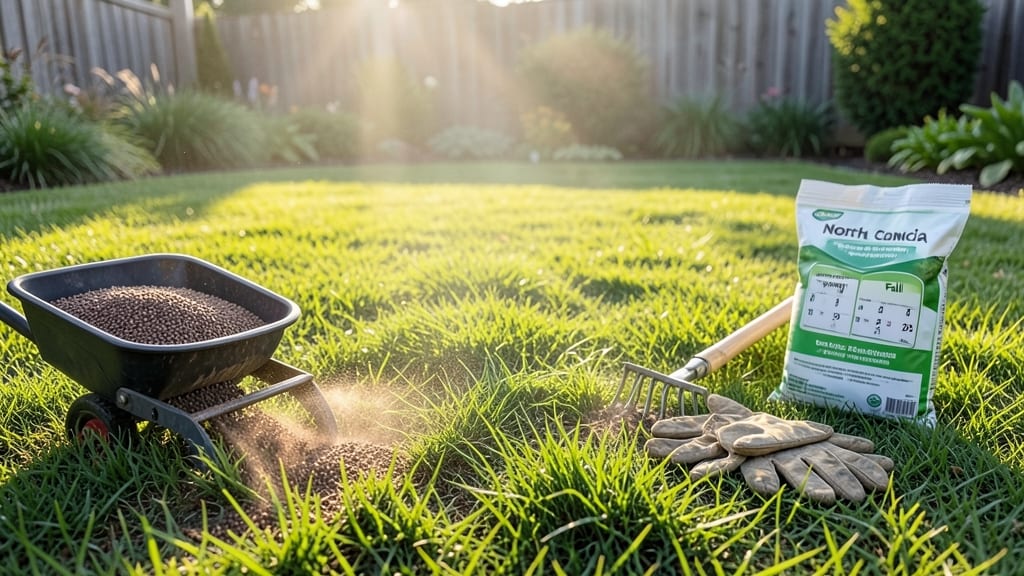
Fertilizing your lawn in North Carolina at the right time means the difference between a lush, green carpet and a patchy, struggling yard 🌱—and it all hinges on soil temperature, not just the calendar.
North Carolina’s humid subtropical climate means your lawn’s fertilization schedule must align with soil temperatures—not calendar dates—to maximize growth and avoid wasting money on ineffective applications.
Cool-season grasses like fescue thrive when soil hits 50°F–65°F in early spring, while warm-season varieties like Bermuda need 65°F+ to kickstart summer feeding. Get it wrong, and you’ll either starve your grass or burn it.
Below, I break down the exact soil temp triggers, the best months for each NC grass type, and how to test your soil without a fancy thermometer—so you can feed your lawn when it’s actually ready to grow.

Optimal soil temperature ranges for fertilizing NC lawns
North Carolina’s humid subtropical climate creates unique challenges for lawn care. Unlike calendar-based schedules, the best time to fertilize depends on soil temperature, not just the month.
Cool-season grasses like tall fescue thrive when soil warms to 50°F–65°F, while warm-season varieties such as Bermuda grass need 65°F+ for optimal nutrient uptake. Ignoring these triggers can lead to wasted fertilizer and stressed grass.
Soil temperature isn’t just about comfort—it determines how well roots absorb nitrogen, phosphorus, and potassium. When temperatures dip too low, microbes in the soil become sluggish, making fertilizers like slow-release granules or organic compost less effective.
Conversely, applying fertilizer in summer heat (above 75°F) can burn roots, especially for cool-season grasses. Testing soil temperature ensures you’re feeding your lawn at the perfect moment.
Here’s how to check soil temperature accurately without a fancy thermometer. Insert a meat thermometer (cleaned and sanitized) into the soil about 2–3 inches deep, where grass roots actively grow. Wait 30 seconds for an accurate reading.
For a DIY approach, press your finger into the soil—if it feels cool but workable (like damp sand), it’s likely in the 50°F–65°F range for cool-season grasses.
| Grass Type | Ideal Soil Temp Range | Best Fertilization Window | NC Climate Trigger |
|---|---|---|---|
| Cool-Season Grasses | 50°F–65°F | Early spring (March–April) & fall (August–September) | Soil warms after frost, microbes activate |
| Warm-Season Grasses | 65°F+ | Late spring (May–June) & summer (July) | Heat stress peaks; roots actively grow |
| Transition Months (April/May, Sept/Oct) | 55°F–70°F | Light feeding only (avoid peak stress) | Grasses shift between dormancy/growth phases |
*Test soil temp at 2–3" depth for accurate readings.
For cool-season grasses like tall fescue or Kentucky bluegrass, aim to fertilize when soil hits 50°F in spring and again in fall (60°F–65°F). This aligns with NC’s last frost dates (March 15 in Zone 6a), ensuring roots aren’t shocked by cold.
Use a high-nitrogen fertilizer (30-0-4) to jumpstart growth, but avoid overapplying—excess nitrogen leaches into groundwater during heavy spring rains.
Warm-season grasses like Bermuda or Zoysia demand patience. Wait until soil consistently stays above 65°F (typically late May in NC) before fertilizing. These grasses enter dormancy by October, so your last feeding should wrap up by September.
Use a slow-release fertilizer to prevent summer burn, and water deeply after application to help nutrients penetrate the soil.
One common mistake is relying on air temperature instead of soil temperature. A 70°F day might feel perfect, but if the soil is still 48°F, your fertilizer won’t work as intended. NC’s Piedmont region (Zones 7–8) warms faster than the Mountains (Zone 6a), so adjust your schedule accordingly.
For example, Asheville’s soil may hit 50°F in early April, while Raleigh’s could take until mid-April.
If you’re unsure about your soil’s temperature triggers, conduct a weekly check during transition months (April and October). Keep a log of readings and note when your grass shows signs of green-up or dormancy.
Over time, you’ll recognize the perfect window for fertilization in your specific microclimate. Pro tip: Early morning is the best time to test soil temperature, as it’s most stable and reflective of overnight conditions.
For organic gardeners, compost tea or manure-based fertilizers can be applied when soil temps reach 55°F, even slightly earlier than synthetic fertilizers. These natural amendments stimulate microbial activity, which thrives in cooler conditions.
However, avoid heavy applications—organic matter can overheat in warm soil, harming roots. A light top-dressing of 1/4-inch compost in spring is often enough to boost soil health without stressing the lawn.
Remember, fertilizer isn’t a cure-all. Even at the right temperature, poor soil health, compacted soil, or pH imbalances (ideal: 6.0–7.0 for NC lawns) can limit results. Pair your temperature-based fertilization with core aeration in fall and a soil test every 2–3 years to maximize your lawn’s potential.
With these adjustments, your NC lawn will thrive year-round—no guesswork required.
NC-specific fertilization timeline by grass type (cool vs. warm season)
North Carolina’s diverse grass types require tailored fertilization schedules to thrive. Cool-season grasses like tall fescue and St. Augustine need early spring and fall feedings, while warm-season varieties such as Bermuda and Zoysia peak in late spring and summer.
Aligning your schedule with these patterns ensures your lawn gets nutrients when it needs them most, not when it’s dormant or stressed.
For cool-season grasses, focus on March–April and August–September applications. These months coincide with soil temperatures of 50°F–65°F, perfect for root absorption. Warm-season grasses, however, demand May–July feedings when soil exceeds 65°F. Skipping these windows means weaker grass, more weeds, and wasted fertilizer dollars.
| Grass Type | Spring Fertilization | Summer Fertilization | Fall Fertilization | Winter Fertilization |
|---|---|---|---|---|
| Tall Fescue (Cool-Season) | March–April (30-0-4) | None (dormant) | August–September (24-0-10) | None |
| Bermuda (Warm-Season) | None (dormant) | May–July (slow-release) | September (light feeding) | None |
| St. Augustine (Cool-Season) | March–April (organic) | None (heat stress) | September (potassium boost) | None |
| Zoysia (Warm-Season) | None (dormant) | June–August (low nitrogen) | September (root strengthening) | None |
*Use slow-release fertilizers for warm-season grasses to avoid summer burn.
Tall fescue and St. Augustine should get their first feeding in early March when soil warms to 50°F. Apply a high-nitrogen fertilizer (30-0-4) to kickstart growth after winter dormancy. For warm-season grasses, wait until late May when soil hits 65°F+—this is when Bermuda and Zoysia truly wake up. Use a slow-release formula to prevent nutrient runoff during NC’s frequent summer rains.
Fall fertilization is critical for cool-season grasses. Apply a low-nitrogen, high-potassium blend (24-0-10) in late August to strengthen roots before winter. Warm-season grasses like Bermuda can handle a light feeding in September, but avoid heavy applications—these grasses slow down as temperatures drop.
Pro tip: Water deeply after fall fertilization to help nutrients reach roots before dormancy sets in.
One common mistake is fertilizing warm-season grasses in spring when they’re still dormant. Bermuda grass, for example, won’t green up until soil hits 65°F, so early applications are wasted.
Similarly, over-fertilizing cool-season grasses in summer causes heat stress. Stick to the soil temperature triggers outlined in our comparison table to avoid these pitfalls.
For organic lawns, switch to compost tea or fish emulsion in spring and fall. These natural amendments work best when soil temps are 55°F–65°F, aligning with cool-season grass needs.
Warm-season grasses can use manure-based fertilizers in summer, but apply them in early morning to prevent leaf burn from afternoon heat.
Track your lawn’s response to fertilization by noting color changes and growth spikes after each application. Adjust future schedules based on what works best for your NC microclimate. With this precision timing, your lawn will stay lush year-round—no guesswork required! 🌱